 EN
EN
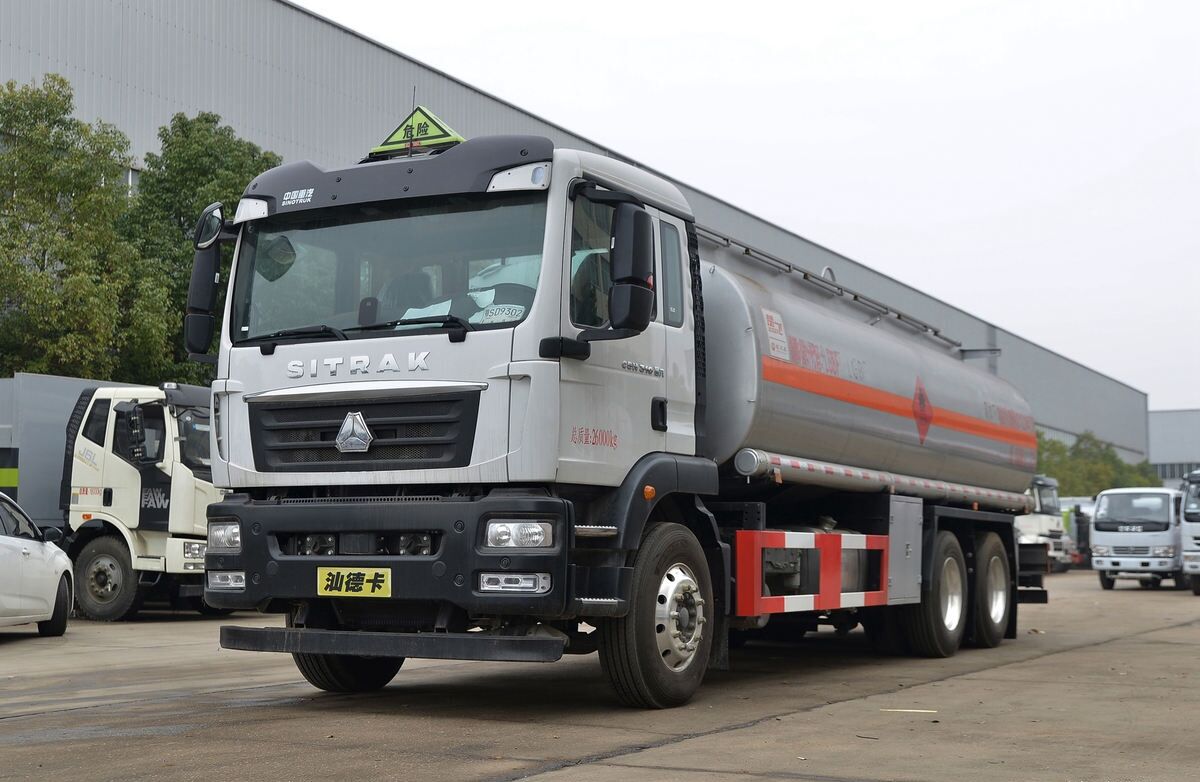
In der komplexen Welt des industriellen Transports bilden Tanklastzüge das Rückgrat für die Beförderung flüssiger Materialien über weite Strecken. Diese spezialisierten Fahrzeuge sind dafür konstruiert, sämtliche Flüssigkeiten zu transportieren – von Erdölprodukten und Chemikalien bis hin zu lebensmitteltauglichen Flüssigkeiten und gefährlichen Stoffen. Moderne Tanklastzüge verfügen über fortschrittliche Sicherheitsmerkmale, robuste Baumaterialien und präzise Ingenieurskunst, um einen zuverlässigen Transport unter Einhaltung höchster Sicherheitsstandards zu gewährleisten. Die Vielseitigkeit dieser Fahrzeuge macht sie in zahlreichen Branchen unverzichtbar, von der Öl- und Gasindustrie über die chemische Produktion bis zur Lebensmittelverarbeitung.
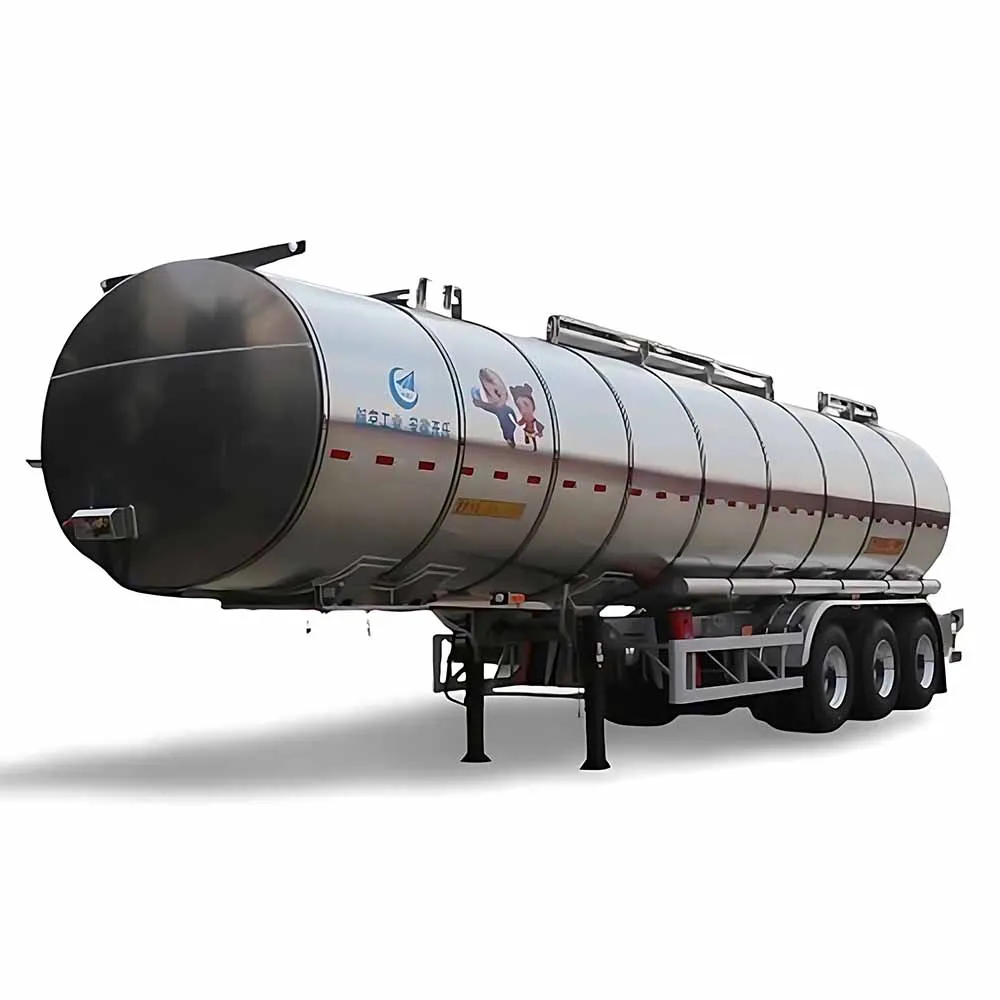
Die Konstruktion und der Aufbau von Tankfahrzeugen müssen strenge behördliche Anforderungen erfüllen, um sowohl die betriebliche Effizienz als auch den Umweltschutz sicherzustellen. Diese Fahrzeuge verfügen über spezialisierte Tankkonstruktionen, die je nach Art des transportierten Materials variieren und bei denen Aspekte wie Druckfestigkeit, Temperaturregelung und chemische Beständigkeit berücksichtigt werden. Zu den in moderne Tankfahrzeuge integrierten Sicherheitssystemen gehören Notabschaltventile, Dampfrückgewinnungssysteme und fortschrittliche Überwachungsgeräte, die Echtzeitdaten über die Ladungsbedingungen während des Transports bereitstellen.
Wesentliche Konstruktionsmerkmale moderner Tankfahrzeuge
Tankbau und Materialien
Die Behälterkonstruktion von Tankfahrzeugen stellt eine kritische Komponente dar, die direkten Einfluss auf Sicherheit, Haltbarkeit und Betriebseffizienz hat. Die meisten kommerziellen Tankfahrzeuge verwenden eine Konstruktion aus hochwertigem Kohlenstoffstahl oder Aluminiumlegierung, wobei die Materialwahl von der spezifischen Anwendung und den Frachtanforderungen abhängt. Behälter aus Kohlenstoffstahl bieten außergewöhnliche Festigkeit und Haltbarkeit und eignen sich daher ideal für Erdölprodukte und viele industrielle Chemikalien. Die Schweißverfahren, die bei der Behälterfertigung verwendet werden, müssen strengen Qualitätsstandards entsprechen, um eine dichte Konstruktion zu gewährleisten, die den Belastungen beim Straßentransport standhält.
Aluminiumtanks bieten Vorteile bei der Gewichtsreduzierung und Korrosionsbeständigkeit, was insbesondere für lebensmitteltaugliche Anwendungen und bestimmte chemische Produkte von Nutzen ist. Die Innenflächen von Tankfahrzeugen sind häufig mit speziellen Beschichtungen oder Auskleidungen versehen, um Verunreinigungen und chemische Reaktionen mit der Ladung zu verhindern. Diese Schutzmaßnahmen verlängern die Lebensdauer der Ausrüstung und gewährleisten gleichzeitig die Produktqualität während des gesamten Transportprozesses. Fortschrittliche Fertigungstechniken stellen sicher, dass die Wandstärke der Tanks über das gesamte Gefäß hinweg konstant und die strukturelle Integrität gewährleistet ist.
Sicherheitssysteme und Notausrüstung
Moderne Tankwagen verfügen über umfassende Sicherheitssysteme, die Unfälle verhindern und die Umweltbelastung im Notfall minimieren sollen. Notabsperrventile isolieren Tankkammern automatisch bei abnormalen Zuständen, während Überrollschutzsysteme katastrophale Schäden bei Unfällen verhindern. Die in Tankwagen installierten Feuerlöschanlagen ermöglichen ein sofortiges Eingreifen bei thermischen Notfällen, was insbesondere beim Transport brennbarer Flüssigkeiten wichtig ist.
Dampfrückgewinnungssysteme erfassen Emissionen während Lade- und Entladevorgängen, erfüllen Umweltvorschriften und schützen gleichzeitig die Sicherheit der Mitarbeiter. Elektronische Überwachungssysteme verfolgen kontinuierlich Parameter wie Tankdruck, Temperatur und Füllstände, wodurch Fahrer und Dispositionszentralen Echtzeitdaten über den Betriebszustand erhalten. Diese technologischen Fortschritte haben die Sicherheitsbilanz von Tankfahrzeugen erheblich verbessert und gleichzeitig die Betriebskosten durch höhere Effizienz und geringeren Produktverlust reduziert.
Anwendungen in verschiedenen Industrien
Energiewirtschaft und Energiesektor
Die Erdölindustrie stellt den größten Marktbereich für Tankfahrzeuge dar, wobei diese Fahrzeuge die Verteilung von Benzin, Dieselkraftstoff, Flugkraftstoff und Heizöl an Verkaufsstellen und Endverbraucher übernehmen. Speziell für Erdölprodukte konzipierte Tankfahrzeuge verfügen über unterteilte Tanks, die den gleichzeitigen Transport verschiedener Kraftstoffsorten ermöglichen und gleichzeitig eine Vermischung verhindern. Die Kapazität dieser Fahrzeuge liegt typischerweise zwischen 3.000 und 11.600 Gallonen, wobei größere Einheiten große Distributionszentren versorgen und kleinere Lkw lokale Lieferstrecken bedienen.
Anwendungen im Energiesektor reichen über herkömmliche Erdölprodukte hinaus und umfassen Biokraftstoffe, Rohöl sowie spezialisierte Schmierstoffe. Die tanklastwagen in diesen Anwendungen eingesetzt werden, müssen den Vorschriften des Department of Transportation entsprechen und regelmäßigen Inspektionen unterzogen werden, um die Betriebserlaubnis aufrechtzuerhalten. Fortschrittliche Ladesysteme ermöglichen eine präzise Mengenerfassung und automatisierte Befüllverfahren, die die Handhabungszeit verkürzen und gleichzeitig das Risiko von Verschüttungen oder Überfüllungen minimieren.
Chemische Herstellung und Distribution
Anwendungen in der chemischen Industrie erfordern Spezialfahrzeuge, die in der Lage sind, korrosive, giftige oder reaktive Stoffe sicher zu transportieren. Diese Fahrzeuge verfügen über verbesserte Containmentsysteme, spezielle Pumpenausrüstungen und Notfallreaktionssysteme, die auf die spezifischen Gefahren des Chemikalien Transports zugeschnitten sind. Tankmaterialien und Beschichtungen müssen mit den chemischen Eigenschaften der Ladung verträglich sein, um eine Zersetzung oder Kontamination während des Transports zu verhindern.
Temperaturregelungssysteme gewährleisten optimale Bedingungen für temperatursensitive Chemikalien, während Druckmanagementsysteme Produkte berücksichtigen, die während des Transports Dampfdruck erzeugen. Dokumentations- und Tracking-Systeme stellen die lückenlose Nachverfolgbarkeit von Chemikaliensendungen sicher, erfüllen behördliche Anforderungen und schaffen Transparenz während des gesamten Distributionsprozesses. Schulungsprogramme für Fahrer, die speziell auf den Chemikalien-Transport ausgerichtet sind, stellen sicher, dass die Fahrer die besonderen Handhabungsvorschriften und Notfallmaßnahmen im Zusammenhang mit gefährlichen Stoffen verstehen.
Regelkonformität und Sicherheitsstandards
Anforderungen des Verkehrsministeriums
Tankfahrzeuge im gewerblichen Verkehr müssen umfassenden Vorschriften des Bundesministeriums für Verkehr entsprechen, die Konstruktion des Fahrzeugs, Fahrerqualifikationen und Betriebsverfahren regeln. Diese Vorschriften legen Mindestanforderungen an die Tankkonstruktion, Sicherheitsausrüstung und Inspektionsintervalle fest, um einheitliche Sicherheitsstandards in der Branche sicherzustellen. Fahrer von Tankfahrzeugen müssen spezielle Erweiterungen in ihren gewerblichen Fahrerlaubnissen besitzen und eine zusätzliche Schulung im Umgang mit gefährlichen Materialien absolvieren.
Die Inspektionsanforderungen für Tankfahrzeuge umfassen regelmäßige strukturelle Bewertungen, Prüfungen der Sicherheitsausrüstung und Überprüfungen der Dokumentation, um die Einhaltung aller geltenden Vorschriften sicherzustellen. Die Wartungsprogramme müssen sowohl das Fahrwerkschassis als auch die Tankbaugruppe abdecken, wobei besonderes Augenmerk auf kritische Sicherheitskomponenten wie Notventile, Überwachungssysteme und strukturelle Verbindungen gelegt wird. Die Anforderungen an die Dokumentation stellen sicher, dass alle Wartungsarbeiten, Inspektionen und betrieblichen Vorfälle ordnungsgemäß für die behördliche Überprüfung erfasst werden.
Umweltschutzstandards
Umweltvorschriften für Tankfahrzeuge zielen darauf ab, Verschüttungen zu verhindern, Emissionen zu reduzieren und eine ordnungsgemäße Abfallentsorgung während des gesamten Transportprozesses sicherzustellen. Maßnahmen zur Vermeidung von Leckagen umfassen Sekundärcontainmentsysteme, Leckageerkennungseinrichtungen und Notfallmaßnahmen, die darauf ausgelegt sind, die Umweltauswirkungen im Falle von Unfällen zu minimieren. Emissionskontrollsysteme an modernen Tankfahrzeugen tragen zur Verringerung der Luftverschmutzung bei und sorgen gleichzeitig für die Einhaltung immer strenger werdender Umweltstandards.
Die Protokolle für das Abfallmanagement sehen eine ordnungsgemäße Handhabung und Entsorgung von Restmaterialien, Reinigungslösungsmitteln oder kontaminierten Geräten vor, die im Zusammenhang mit Tankwagenoperationen entstehen. Die Überwachung der Umweltkonformität umfasst regelmäßige Audits, Schulungen des Personals sowie die Implementierung von Best Practices, die über die gesetzlichen Mindestanforderungen hinausgehen. Diese umfassenden Maßnahmen zum Umweltschutz helfen Unternehmen dabei, ihre Betriebserlaubnisse aufrechtzuerhalten und gleichzeitig unternehmerische Verantwortung in ihren Transportoperationen nachzuweisen.
Wartungs- und Betriebsaspekte
Präventive Wartungsprogramme
Effektive Wartungsprogramme für Tankfahrzeuge erfordern spezialisiertes Know-how und Verfahren, die sowohl den Fahrzeugrahmen als auch die Bestandteile der Tankbaugruppe berücksichtigen. Regelmäßige Inspektionspläne müssen eine detaillierte Prüfung der Tankwände, Rohrleitungssysteme, Ventile und Sicherheitsausrüstung umfassen, um potenzielle Probleme zu erkennen, bevor sie die Betriebssicherheit beeinträchtigen. Die vorbeugende Wartung von Tankfahrzeugen umfasst in der Regel häufigere Serviceintervalle im Vergleich zu Standard-Lkw aufgrund der kritischen Natur ihrer Ladung und des Einsatzumfelds.
Spezialisierte Prüfgeräte überwachen die Integrität des Tanks, das Funktionieren der Ventile und die Funktionsfähigkeit der Sicherheitssysteme während der routinemäßigen Wartungsarbeiten. Wartungstechniker, die an Tanklastzügen arbeiten, benötigen eine zusätzliche Schulung und Zertifizierung, um sicherzustellen, dass sie die besonderen Anforderungen und Sicherheitsaspekte verstehen, die mit diesen Fahrzeugen verbunden sind. Dokumentationssysteme verfolgen alle Wartungsmaßnahmen, den Austausch von Komponenten und Prüfergebnisse, um die Einhaltung gesetzlicher Vorschriften und Herstellergarantien sicherzustellen.
Fahrerschulung und Zertifizierung
Das sichere Bedienen von Tankfahrzeugen erfordert eine spezielle Ausbildung, die über die standardmäßige Ausbildung für gewerbliche Fahrer hinausgeht, um die mit dem Transport von Flüssigkeiten verbundenen besonderen Herausforderungen und Verantwortlichkeiten zu bewältigen. Fahrerschulungsprogramme umfassen Fahrzeugdynamik, Verfahren zur Handhabung der Ladung, Notfallreaktionsprotokolle und die Einhaltung von Vorschriften, die speziell für Tankfahrzeugbetriebe gelten. Die Physik der Bewegung von Flüssigladungen beeinflusst erheblich die Fahreigenschaften des Fahrzeugs, weshalb die Fahrer die Lastverteilung, Gewichtsverlagerung und Schwallwirkungen während Beschleunigungs-, Brems- und Lenkmanövern verstehen müssen.
Zertifizierungsprogramme für Tankwagenfahrer umfassen sowohl Unterricht im Klassenraum als auch praktische Schulungen mit tatsächlichem Equipment, um die Kompetenz in allen Aspekten des sicheren Betriebs sicherzustellen. Die Schulung zum Notfallmanagement bereitet die Fahrer darauf vor, Leckagen, Brände und andere Vorfälle zu bewältigen, die während des Transportbetriebs auftreten können. Fortlaufende Bildungsanforderungen gewährleisten, dass Fahrer im Laufe ihrer Karriere im Umgang mit diesen Spezialfahrzeugen stets über aktuelle Vorschriften, Sicherheitsstandards und bewährte Verfahren informiert sind.
Technologische Innovationen im Tankbereich Lkw Design
Fortgeschrittene Überwachungssysteme
Moderne Tanklastzüge verfügen über ausgeklügelte Überwachungssysteme, die Echtzeitdaten zu Ladungsbedingungen, Fahrzeugleistung und Betriebsstatus während des gesamten Transportprozesses bereitstellen. Elektronische Sensoren überwachen den Druck im Tank, die Temperatur, Füllstände und Dampfkonzentrationen, um optimale Ladungsbedingungen sicherzustellen und gleichzeitig frühzeitige Warnungen bei möglichen Problemen zu geben. GPS-Tracking-Systeme in Kombination mit Telematik-Technologie ermöglichen es Flottenmanagern, den Standort der Fahrzeuge, die Einhaltung der vorgesehenen Routen sowie das Fahrverhalten der Fahrer zu überwachen, um Sicherheit und Effizienz zu verbessern.
Automatisierte Datenerfassungssysteme führen detaillierte Aufzeichnungen aller Betriebsparameter und erstellen umfassende Dokumentationen für die Einhaltung behördlicher Vorschriften und die Analyse des Betriebsablaufs. Diese Systeme können unbefugte Zugriffsversuche, unerwartete Druckänderungen oder andere Anomalien erkennen und melden, die auf Sicherheitsverletzungen oder mechanische Probleme hindeuten könnten. Die Integration in Software zur Flottenverwaltung ermöglicht eine vorausschauende Wartungsplanung basierend auf den tatsächlichen Betriebsbedingungen statt auf willkürlichen Zeitintervallen, wodurch Ausfallzeiten reduziert werden, während gleichzeitig optimale Sicherheitsspielräume gewahrt bleiben.
Verbesserte Sicherheitstechnologien
Neueste technologische Fortschritte haben zahlreiche Sicherheitsverbesserungen eingeführt, die das Risiko von Unfällen und Umweltvorfällen mit Tanklastzügen erheblich reduzieren. Anti-Überschlagsysteme nutzen Sensoren und elektronische Steuerungen, um instabile Betriebsbedingungen zu erkennen und automatisch korrigierende Maßnahmen wie selektives Bremsen oder die Reduzierung der Motorleistung einzuleiten. Kollisionsvermeidungssysteme verwenden Radар- und Kamerasysteme, um mögliche Gefahren zu erkennen, und geben Warnungen aus oder unterstützen durch automatische Bremsfunktionen, um Unfälle zu verhindern.
Fortschrittliche Ventilsysteme beinhalten sicherheitsorientierte Konstruktionen, die den Tankinhalt automatisch absperren, wenn aufprallbedingte Kräfte oder andere Notfälle auftreten. Brandbekämpfungssysteme haben sich weiterentwickelt und umfassen wirksamere Löschmittel sowie schnellere Auslösemechanismen, die Brände effizienter und schneller unter Kontrolle bringen können. Diese technologischen Verbesserungen haben in den letzten zehn Jahren zu erheblichen Verringerungen der Unfallhäufigkeit und umweltbezogenen Vorfälle mit Tanklastzügen beigetragen.
Wirtschaftliche Auswirkungen und Marktentwicklungen
Kosten-Nutzen-Analyse des Betriebs von Tanklastzügen
Die Wirtschaftlichkeit des Tankfahrzeugtransports hängt von zahlreichen Faktoren ab, darunter Kraftstoffkosten, Kosten für die Einhaltung gesetzlicher Vorschriften, Wartungsanforderungen und Maßnahmen zur Verbesserung der Betriebseffizienz. Moderne Tankfahrzeuge bieten einen verbesserten Kraftstoffverbrauch durch aerodynamische Verbesserungen, leichtere Baumaterialien und effizientere Antriebstechnologien. Diese Verbesserungen tragen dazu bei, steigende Kraftstoffkosten auszugleichen und die Umweltbelastung durch Transportoperationen zu verringern.
Die Investition in moderne Tankfahrzeuge bietet in der Regel Renditen durch niedrigere Wartungskosten, verbesserte Sicherheitsbilanzen und erweiterte betriebliche Fähigkeiten, die eine effizientere Routenplanung und Ladungsbearbeitung ermöglichen. Bei der Analyse der Gesamtbetriebskosten von Tankfahrzeugen müssen nicht nur der Anschaffungspreis, sondern auch laufende Betriebsausgaben, Kosten für die Einhaltung gesetzlicher Vorschriften sowie potenzielle Haftungsrisiken berücksichtigt werden. Fuhrparkbetreiber, die in neuere und fortschrittlichere Tankfahrzeuge investieren, verzeichnen oft niedrigere Versicherungsprämien und weniger regulatorische Überwachung aufgrund ihrer besseren Sicherheitsbilanz.
Zukünftige Marktentwicklungen
Der Tanklastzugmarkt entwickelt sich weiterhin im Einklang mit sich ändernden gesetzlichen Anforderungen, technologischen Fortschritten und sich wandelnden wirtschaftlichen Bedingungen, die die Transportbranche beeinflussen. Umweltvorschriften treiben die Entwicklung von sauber verbrennenden Motoren, verbesserten Abgasreinigungssystemen und alternativen Kraftstofftechnologien für Tanklastzüge voran. Elektrische und hybride Antriebssysteme stellen neuartige Technologien dar, die künftige Tanklastzugkonzepte erheblich beeinflussen könnten, insbesondere für städtische Lieferdienste mit kürzeren Strecken und vorhersehbaren Betriebsmustern.
Die Nachfrage nach spezialisierten Tankfahrzeugen wächst weiterhin, da Industrien präzisere Transportlösungen für zunehmend komplexe chemische und petrochemische Produkte benötigen. Anpassungsoptionen ermöglichen es Flottenbetreibern, Tankfahrzeuge gemäß ihren genauen betrieblichen Anforderungen festzulegen, während die Einhaltung aller geltenden Vorschriften gewährleistet bleibt. Der Trend zu größeren und effizienteren Tankfahrzeugen spiegelt den branchenweiten Fokus wider, die Transportkosten pro Einheit zu senken und gleichzeitig die höchsten Sicherheitsstandards beizubehalten.
FAQ
Welche Arten von Materialien können Tankfahrzeuge sicher transportieren
Tanklastzüge können sicher eine Vielzahl von flüssigen Materialien transportieren, darunter Erdölprodukte wie Benzin und Dieselkraftstoff, Industriechemikalien, lebensmitteltaugliche Flüssigkeiten wie Milch und Speiseöl, Wasser und andere nicht gefährliche Flüssigkeiten sowie Spezialprodukte wie Flüssigdünger. Die spezifische Tankkonstruktion, die verwendeten Materialien und die Sicherheitsausrüstung müssen für die jeweilige Fracht geeignet sein, um Sicherheit und die Einhaltung gesetzlicher Vorschriften zu gewährleisten.
Wie oft müssen Tanklastzüge inspiziert und gewartet werden
Tankfahrzeuge erfordern aufgrund ihrer speziellen Ausrüstung und Frachtanforderungen in der Regel häufigere Inspektionen als Standard-Frachttransportfahrzeuge. Die meisten kommerziellen Tankfahrzeuge durchlaufen tägliche Vorfahrt-Inspektionen, periodische DOT-Inspektionen alle 12 Monate sowie spezielle Tankinspektionen, die je nach Art der transportierten Fracht alle 2,5 bis 5 Jahre erforderlich sein können. Die Wartungsintervalle variieren je nach Betriebsbedingungen, erfolgen aber im Allgemeinen alle 10.000 bis 15.000 Meilen für den regulären Service.
Welche besonderen Führerscheine sind zum Führen von Tankfahrzeugen erforderlich
Die Bedienung von Tanklastzügen erfordert einen gewerblichen Führerschein mit entsprechenden Zusatzzulassungen, die auf der Art der beförderten Ladung basieren. Fahrer, die gefährliche Materialien transportieren, müssen eine Hazmat-Zulassung erwerben, für die schriftliche Prüfungen, Hintergrundüberprüfungen und die Abnahme von Fingerabdrücken erforderlich sind. Für bestimmte Ladungsarten oder Tankkonfigurationen können zusätzliche Zulassungen erforderlich sein, und Fahrer müssen spezielle Schulungsprogramme absolvieren, die auf den Betrieb von Tankfahrzeugen und die Handhabung von Ladung ausgerichtet sind.
Wie verhindern Tanklastzüge Umweltverschmutzung während des Transports
Tankfahrzeuge verhindern Umweltverschmutzungen durch mehrere Sicherheitssysteme, darunter dichte Tankkonstruktionen mit geschweißten Nähten und Druckprüfung, Notabschaltventile, die die Ladung im Falle eines Unfalls abtrennen, Dampfrückgewinnungssysteme, die Emissionen während des Be- und Entladens erfassen, Verschüttungssicherungsausrüstung für den Notfall und regelmäßige Inspektionsprogramme, die potenzielle Probleme erkennen, bevor es zu Umweltfreisetzungen kommt. Diese Systeme arbeiten zusammen, um das Risiko von Kontaminationen sowohl im Normalbetrieb als auch in Notfallsituationen zu minimieren.