 EN
EN
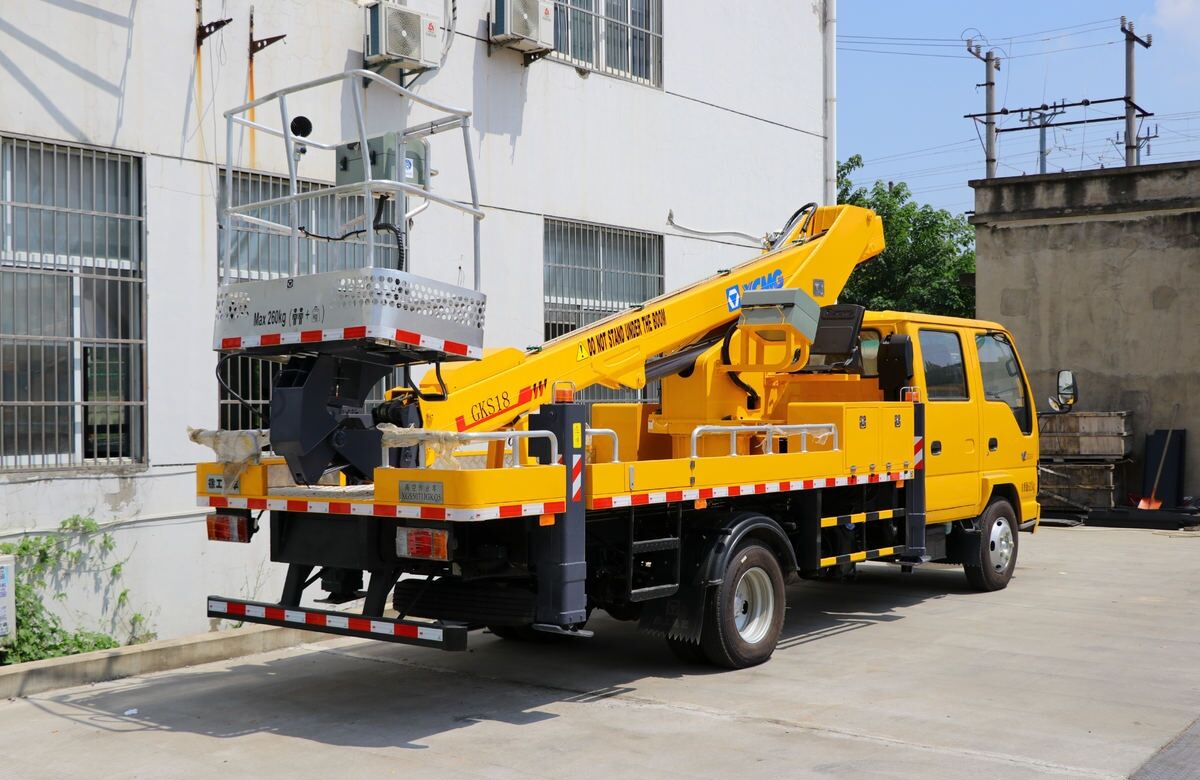
Modern construction and maintenance projects increasingly require access to elevated work areas that traditional ladders and scaffolding cannot safely reach. An aerial work vehicle has become the preferred solution for businesses seeking efficient, safe, and cost-effective access to high-reach applications. These specialized machines combine mobility with vertical reach capabilities, enabling workers to complete tasks at significant heights while maintaining productivity and safety standards. The growing demand for aerial work vehicle solutions reflects the construction industry's commitment to improving workplace safety while meeting tight project deadlines.
Enhanced Safety Features and Risk Reduction
Advanced Fall Protection Systems
Safety remains the primary driving force behind aerial work vehicle adoption across industries. These vehicles incorporate multiple layers of fall protection, including secure platform railings, safety harness attachment points, and emergency descent systems. The enclosed platform design eliminates many risks associated with traditional ladder work, where workers face exposure to wind, unstable surfaces, and limited mobility options. Modern aerial work vehicle models feature enhanced stability systems that automatically adjust to ground conditions and load distributions.
Emergency safety features have evolved significantly, with many units now including backup power systems, secondary lowering mechanisms, and integrated communication devices. These safety enhancements reduce workplace accidents by up to 60% compared to conventional access methods, making the aerial work vehicle an essential investment for safety-conscious organizations. The platform's controlled environment allows workers to focus on their tasks without constantly managing balance and positioning concerns.
Operational Safety Protocols
Comprehensive safety protocols integrated into aerial work vehicle design ensure consistent safety standards across different operators and job sites. Automated safety checks prevent operation when conditions are unsafe, including excessive wind speeds, unstable ground conditions, or improper setup configurations. These built-in safety systems reduce human error factors while maintaining high operational standards throughout the workday.
Training requirements for aerial work vehicle operators are standardized and comprehensive, ensuring that every operator understands proper safety procedures, equipment limitations, and emergency response protocols. This systematic approach to safety training creates a culture of safety awareness that extends beyond individual projects to influence overall workplace safety practices.
Operational Efficiency and Productivity Benefits
Time Savings and Project Acceleration
Project timelines benefit significantly from aerial work vehicle deployment, as these machines eliminate time-consuming setup and breakdown procedures required for traditional scaffolding systems. Workers can position themselves at optimal working heights within minutes, compared to hours required for scaffold construction. The mobility of an aerial work vehicle allows rapid repositioning between work locations, maximizing productive time while minimizing setup delays.
Multi-level access capabilities enable workers to complete tasks at various heights during a single positioning cycle, reducing the need for repeated equipment adjustments. This efficiency translates directly into reduced labor costs and accelerated project completion schedules, making the aerial work vehicle an attractive option for time-sensitive construction and maintenance projects.
Versatile Application Capabilities
The adaptability of aerial work vehicle systems extends their value across numerous applications, from building maintenance and tree services to industrial inspections and emergency response operations. Each aerial work vehicle can be configured with specialized attachments and accessories to meet specific job requirements, eliminating the need for multiple specialized access solutions.
Platform configurations range from compact units suitable for indoor applications to large-capacity platforms designed for heavy-duty outdoor projects. This versatility allows businesses to standardize their elevated access solutions around aerial work vehicle platforms while maintaining the flexibility to address diverse project requirements efficiently.
Economic Advantages and Cost Management
Reduced Labor and Equipment Costs
Economic benefits of aerial work vehicle adoption extend beyond initial equipment costs to encompass long-term operational savings. Reduced setup time translates directly into lower labor costs, while the elimination of scaffolding rental and assembly expenses provides immediate project budget relief. The self-contained nature of an aerial work vehicle reduces the need for additional support equipment and personnel, streamlining project resource allocation.
Insurance cost reductions often accompany aerial work vehicle implementation, as improved safety records lead to lower premium rates and reduced liability exposure. These savings accumulate over time, contributing to improved project profitability and competitive positioning in bid situations.
Long-term Investment Value
The durability and longevity of modern aerial work vehicle designs provide excellent return on investment for businesses with regular elevated access requirements. Well-maintained units can provide decades of reliable service, with predictable maintenance costs and readily available replacement parts supporting long-term operational planning.
Resale values for aerial work vehicle equipment remain strong due to consistent market demand and the specialized nature of these machines. This retained value protects the initial investment while providing flexibility for equipment upgrades and fleet expansion as business needs evolve.
Technical Capabilities and Performance Specifications
Reach and Load Capacity Advantages
Modern aerial work vehicle designs achieve impressive reach heights while maintaining substantial load capacity for tools, materials, and multiple workers. Advanced hydraulic systems provide smooth, precise positioning control that enables accurate placement and stable work platforms even at maximum extension heights. These technical capabilities expand the range of tasks that can be completed efficiently from an elevated position.
Outreach capabilities allow aerial work vehicle operators to access areas that would be impossible or extremely difficult to reach using conventional access methods. This enhanced reach eliminates the need for complex rigging systems and reduces the risk of working around obstacles or hazardous areas at ground level.
Advanced Control Systems
Sophisticated control systems in modern aerial work vehicle units provide intuitive operation while maintaining precise positioning control. Proportional controls allow operators to make fine adjustments for detailed work, while automated functions handle routine positioning tasks efficiently. These control systems reduce operator fatigue while improving work quality and productivity.
Digital monitoring systems provide real-time feedback on operational parameters, including load levels, hydraulic pressures, and system status indicators. This information enables proactive maintenance scheduling and helps prevent unexpected downtime that could impact project schedules.
Industry-Specific Applications and Adaptations
Construction and Building Maintenance
Construction applications for aerial work vehicle equipment continue to expand as building designs become more complex and height requirements increase. These machines excel in facade work, window installation, exterior finishing, and structural maintenance tasks where traditional access methods prove inadequate or inefficient. The precision control available with an aerial work vehicle enables accurate positioning for detailed construction tasks.
Building maintenance operations benefit particularly from the rapid deployment capabilities of aerial work vehicle systems. Routine maintenance tasks such as lighting replacement, HVAC service, and building inspections can be completed efficiently without disrupting normal building operations or requiring extensive setup procedures.
Utility and Infrastructure Services
Utility companies rely heavily on aerial work vehicle solutions for power line maintenance, telecommunications installation, and infrastructure repair operations. The mobility and quick setup capabilities of these machines enable rapid response to service outages and emergency repairs, minimizing downtime and service disruptions for customers.
Specialized aerial work vehicle configurations for utility applications include insulated booms for electrical work, telecommunications equipment mounting systems, and emergency lighting for night operations. These specialized features ensure that utility operations can be conducted safely and efficiently regardless of environmental conditions or time constraints.
Environmental Impact and Sustainability Considerations
Fuel Efficiency and Emissions Reduction
Modern aerial work vehicle designs incorporate fuel-efficient engines and hybrid power systems that reduce environmental impact while maintaining operational performance. Advanced hydraulic systems minimize power requirements through efficient energy management and regenerative systems that capture and reuse energy during operation cycles.
Electric and hybrid aerial work vehicle models provide zero or reduced emissions operation for indoor applications or environmentally sensitive areas. These alternative power systems maintain full operational capabilities while supporting sustainability initiatives and environmental compliance requirements.
Sustainable Operation Practices
The efficiency benefits of aerial work vehicle operation contribute to overall project sustainability by reducing material waste, minimizing site disturbance, and decreasing overall project duration. Faster project completion reduces the environmental impact of construction activities while minimizing disruption to surrounding communities and ecosystems.
Preventive maintenance programs for aerial work vehicle fleets extend equipment life while reducing waste and resource consumption. Proper maintenance practices ensure optimal fuel efficiency and minimize the need for premature equipment replacement, supporting long-term sustainability goals.
FAQ
What height ranges can aerial work vehicles typically reach
Aerial work vehicle systems are available in a wide range of height specifications, from compact models reaching 30-40 feet to large truck-mounted units capable of reaching 100+ feet. The specific height requirement should be determined based on the intended applications, with consideration for both maximum reach and optimal working height for different tasks. Most commercial applications find that 60-80 foot capacity aerial work vehicle units provide the best balance of capability and operational efficiency.
How do operating costs compare to traditional scaffolding systems
Operating costs for aerial work vehicle systems typically prove more economical than scaffolding for projects requiring frequent repositioning or multi-level access. While the initial equipment cost may be higher, the reduced labor requirements for setup and breakdown, faster project completion times, and improved safety records result in lower total project costs. For projects lasting more than a few days or requiring access to multiple locations, an aerial work vehicle generally provides significant cost advantages.
What training is required for aerial work vehicle operators
Aerial work vehicle operation requires specialized training that covers equipment operation, safety procedures, inspection protocols, and emergency response procedures. Most jurisdictions require formal certification through recognized training programs, with periodic recertification to maintain operator qualifications. Training typically includes both classroom instruction and hands-on operation under supervision, ensuring that operators understand both the capabilities and limitations of aerial work vehicle equipment.
Are there specific maintenance requirements for aerial work vehicles
Regular maintenance is essential for safe and reliable aerial work vehicle operation, with daily pre-operation inspections, weekly detailed inspections, and scheduled preventive maintenance at specified intervals. Maintenance requirements typically include hydraulic system service, engine maintenance, electrical system checks, and structural component inspections. Following manufacturer maintenance schedules and using qualified service technicians ensures optimal performance and extends equipment life while maintaining safety certifications.