
 EN
EN
The transportation industry relies heavily on efficient freight movement, and truck trailers serve as the backbone of modern logistics operations. These essential components enable businesses to transport goods across vast distances while maintaining cost-effectiveness and operational flexibility. From construction materials to consumer products, truck trailers facilitate the movement of countless commodities that keep our economy functioning smoothly. Understanding the various types, applications, and benefits of truck trailers is crucial for businesses seeking to optimize their freight transportation strategies and maintain competitive advantages in today's demanding marketplace.
Types and Classifications of Truck Trailers
Flatbed and Open Deck Configurations
Flatbed truck trailers represent one of the most versatile hauling solutions available in the freight transportation sector. These trailers feature an open deck design without sides or roof, making them ideal for transporting oversized cargo, construction equipment, and materials that require easy loading access from multiple angles. The absence of enclosed walls allows for efficient crane operations and accommodates irregularly shaped items that would not fit within standard enclosed trailers. Many industries, including construction, steel manufacturing, and heavy machinery sectors, depend on flatbed truck trailers for their unique loading capabilities and operational flexibility.
The structural design of flatbed trailers incorporates heavy-duty steel frames capable of supporting substantial weight distributions. Advanced tie-down systems and securing mechanisms ensure cargo remains stable during transport, even under challenging road conditions. Modern flatbed truck trailers often feature adjustable stakes and removable side panels, providing additional versatility for different cargo types. These trailers typically range from 48 to 53 feet in length, with weight capacities varying based on axle configurations and structural specifications.
Enclosed and Dry Van Solutions
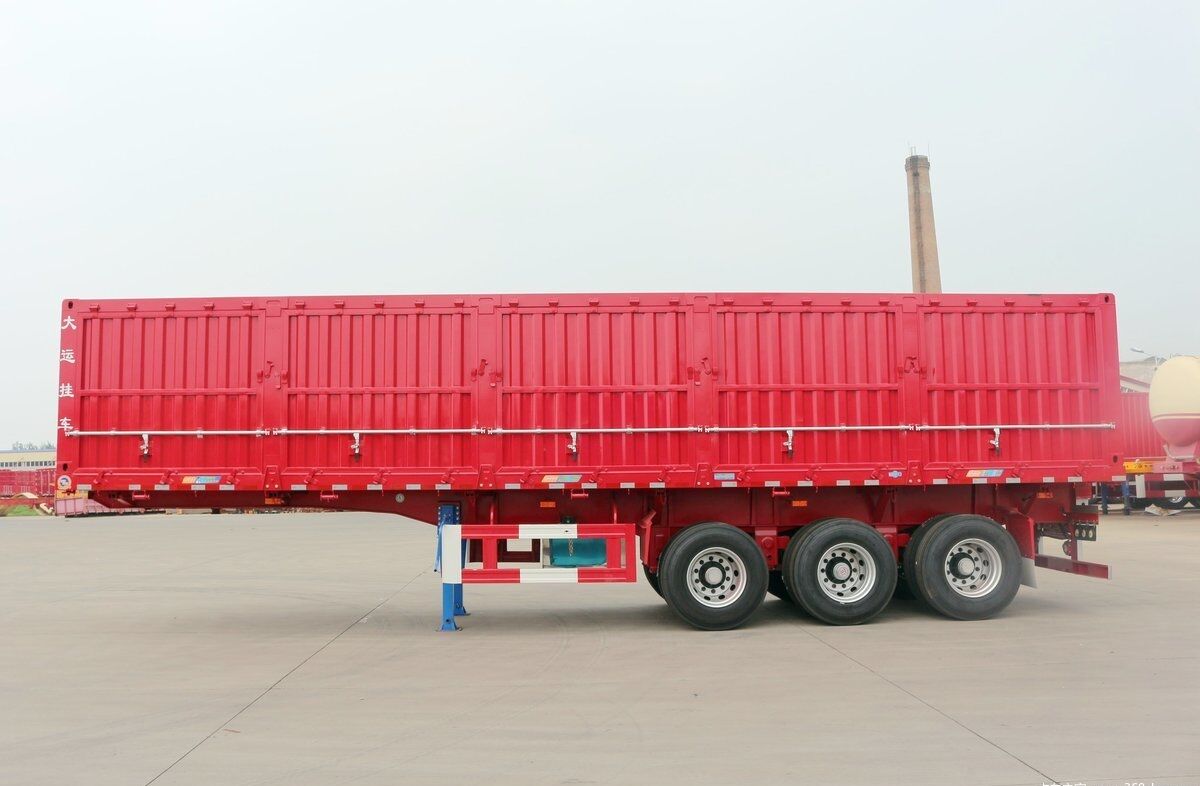
Enclosed truck trailers, commonly known as dry vans, provide weather protection and security for sensitive cargo shipments. These trailers feature solid walls, roof structures, and rear door systems that create controlled environments for goods requiring protection from environmental elements. The enclosed design makes these truck trailers particularly suitable for transporting electronics, packaged foods, textiles, and other products susceptible to moisture, dust, or temperature fluctuations. Additionally, the security benefits of enclosed trailers help prevent theft and unauthorized access during transport and storage periods.
Manufacturing specifications for enclosed truck trailers emphasize durability and weather resistance through advanced materials and construction techniques. Aluminum and steel composite walls provide strength while minimizing overall trailer weight, allowing for increased payload capacity. Interior features often include load bars, tie-down points, and non-slip flooring systems that facilitate safe cargo handling. Many enclosed trailers incorporate aerodynamic designs that reduce fuel consumption and improve overall transportation efficiency for long-haul operations.
Specialized Applications in Various Industries
Construction and Heavy Equipment Transport
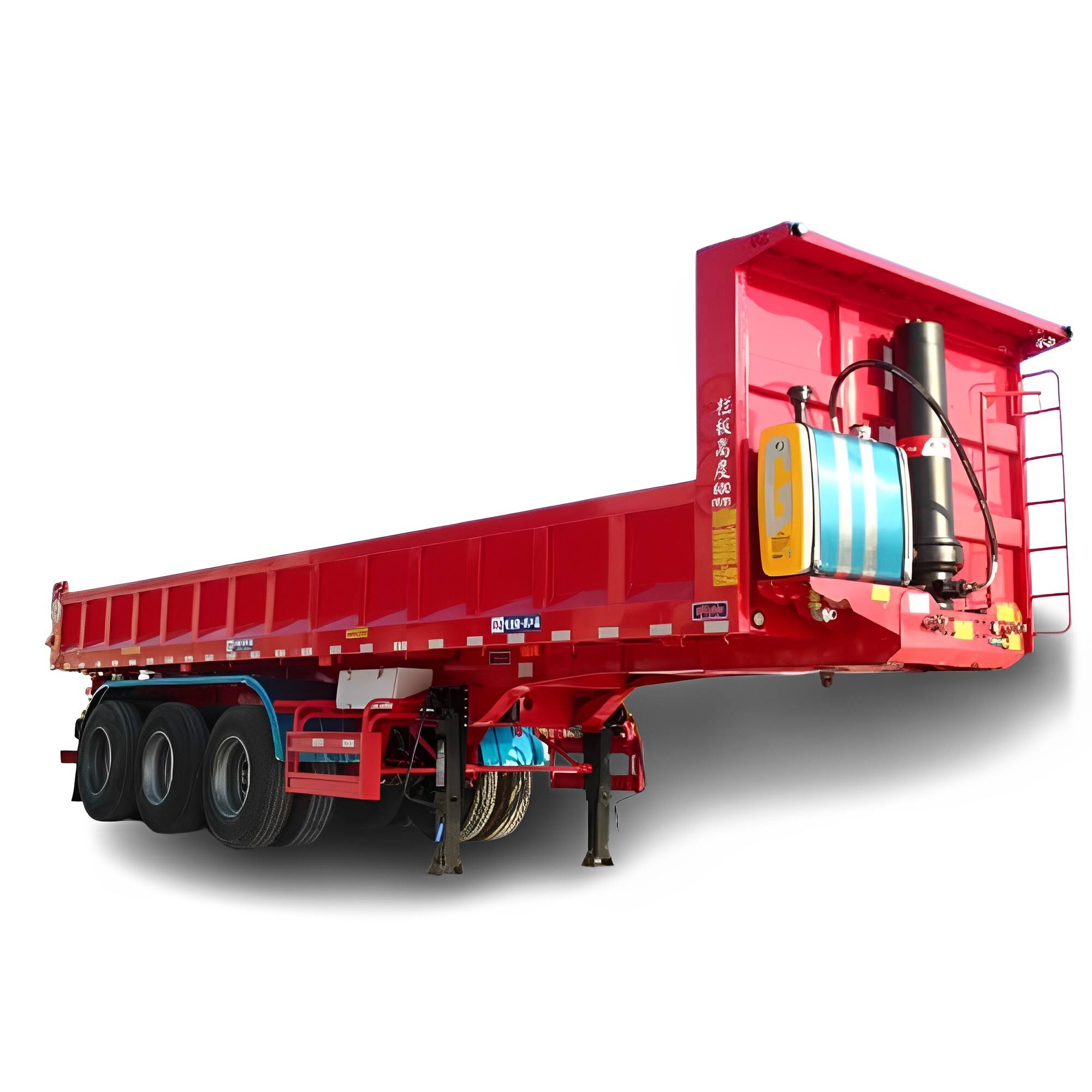
The construction industry heavily depends on specialized truck trailers designed to handle heavy equipment, building materials, and oversized machinery. Lowboy trailers, a specific category of truck trailers, feature reduced deck heights that accommodate tall equipment while maintaining legal height restrictions on public roads. These trailers utilize hydraulic systems for loading and unloading heavy machinery, including excavators, bulldozers, and cranes. The construction sector's reliance on these specialized trailers demonstrates their critical role in infrastructure development and project execution.
Drop deck and step deck configurations represent additional specialized truck trailers serving construction applications. These designs provide lower loading heights for tall cargo while maintaining structural integrity for heavy loads. The versatility of these trailers allows construction companies to transport diverse equipment types using single trailer solutions, reducing operational complexity and transportation costs. Advanced suspension systems and reinforced frames ensure these trailers can withstand the demanding conditions associated with construction site operations and rough terrain navigation.
Agricultural and Livestock Transportation
Agricultural operations require specialized truck trailers designed for transporting livestock, grain, and farm equipment across rural and urban environments. Livestock trailers incorporate ventilation systems, non-slip flooring, and animal-safe materials that ensure proper care during transport. These trailers must comply with animal welfare regulations while providing efficient loading and unloading capabilities at farms, processing facilities, and markets. The agricultural sector's dependence on these specialized trailers highlights their importance in food production and distribution systems.
Grain hauling represents another critical application for specialized truck trailers in agricultural operations. Hopper bottom trailers feature gravity-fed unloading systems that facilitate efficient grain discharge at storage facilities and processing plants. These trailers incorporate moisture protection systems and contamination prevention measures that maintain grain quality during transport. The seasonal nature of agricultural operations demands reliable trailer solutions capable of handling varying load volumes and diverse crop types throughout harvest periods.
Economic Impact and Industry Benefits
Cost Efficiency and Operational Advantages
Truck trailers provide significant cost advantages compared to alternative freight transportation methods, making them essential for businesses seeking to optimize logistics expenses. The ability to transport large cargo volumes using single truck and trailer combinations reduces per-unit shipping costs while maintaining delivery flexibility. This economic efficiency becomes particularly important for businesses operating on tight profit margins or competing in price-sensitive markets. The scalability of truck trailer operations allows companies to adjust transportation capacity based on seasonal demands and market fluctuations without significant capital investments.
Operational flexibility represents another key economic benefit of truck trailers in modern freight transportation. Unlike rail or maritime shipping, truck trailers provide door-to-door delivery capabilities that eliminate additional handling and transfer costs. This direct delivery approach reduces cargo damage risks and shortens overall transit times, improving customer satisfaction and reducing inventory carrying costs. The versatility of truck trailers enables businesses to serve diverse geographic markets and customer locations without relying on intermodal transportation networks.
Supply Chain Integration and Reliability
Modern supply chain operations depend on the reliability and predictability that truck trailers provide for just-in-time delivery systems. The flexibility to schedule shipments based on production requirements and customer demands makes truck trailers indispensable for lean manufacturing operations. This scheduling flexibility allows businesses to minimize inventory levels while maintaining service quality and delivery commitments. The reliability of truck trailer transportation supports complex supply chain strategies that require precise timing and coordination across multiple locations and stakeholders.
Integration with warehouse management systems and logistics software platforms enhances the value proposition of truck trailers in modern business operations. Real-time tracking capabilities, electronic logging systems, and automated scheduling tools improve operational visibility and decision-making processes. These technological integrations enable businesses to optimize route planning, reduce empty miles, and improve asset utilization rates for their truck trailer fleets. The combination of physical transportation capabilities and digital management tools positions truck trailers as essential components of sophisticated logistics networks.
Maintenance and Safety Considerations
Preventive Maintenance Programs
Effective maintenance programs ensure truck trailers remain safe, reliable, and compliant with regulatory requirements throughout their operational lifecycles. Regular inspection schedules identify potential issues before they develop into costly repairs or safety hazards that could disrupt transportation operations. Preventive maintenance protocols typically include brake system inspections, tire condition assessments, lighting system checks, and structural integrity evaluations. These systematic approaches to maintenance help extend trailer lifespans while reducing unexpected downtime and repair costs.
Professional maintenance programs for truck trailers incorporate specialized tools and diagnostic equipment designed to identify wear patterns and performance issues. Trained technicians understand the unique requirements of different trailer types and can recommend appropriate maintenance intervals based on usage patterns and operating conditions. Documentation systems track maintenance history and compliance records, supporting regulatory requirements and warranty claims. Investment in proper maintenance programs protects the significant capital investment represented by truck trailer fleets while ensuring operational reliability.
Safety Standards and Regulatory Compliance
Safety regulations governing truck trailers encompass federal, state, and local requirements that ensure public safety and environmental protection. Department of Transportation regulations specify weight limits, dimension restrictions, and equipment standards that all truck trailers must meet for legal operation on public highways. Compliance with these regulations requires ongoing attention to vehicle specifications, loading procedures, and driver qualifications. Regular safety inspections verify that truck trailers meet all applicable standards and identify any necessary modifications or repairs.
Modern safety technologies enhance the inherent safety characteristics of truck trailers through advanced braking systems, stability control mechanisms, and visibility improvements. Anti-lock braking systems prevent wheel lockup during emergency stopping situations, while electronic stability programs help maintain control during adverse weather conditions. Reflective materials and LED lighting systems improve trailer visibility for other motorists, particularly during nighttime operations. These technological advances complement traditional safety practices and contribute to overall highway safety improvements.
Future Trends and Technological Developments
Sustainability and Environmental Considerations
Environmental consciousness drives innovation in truck trailer design and manufacturing processes, with emphasis on reducing carbon footprints and improving fuel efficiency. Aerodynamic enhancements, lightweight materials, and low-rolling-resistance tires contribute to reduced fuel consumption and lower emissions during transportation operations. These improvements align with corporate sustainability goals and regulatory initiatives aimed at reducing the environmental impact of freight transportation. The development of eco-friendly truck trailers supports broader industry efforts to address climate change concerns while maintaining operational effectiveness.
Sustainable manufacturing practices in trailer production incorporate recycled materials and energy-efficient processes that minimize environmental impact throughout product lifecycles. End-of-life recycling programs ensure that retired truck trailers contribute materials for new trailer production, creating circular economy benefits within the transportation industry. These sustainability initiatives appeal to environmentally conscious customers and support corporate social responsibility objectives while potentially reducing long-term operational costs through improved efficiency and resource utilization.
Technological Integration and Smart Systems
Smart technology integration transforms traditional truck trailers into connected assets capable of providing real-time operational data and performance insights. Telematics systems monitor trailer location, cargo conditions, and mechanical status throughout transportation operations. This connectivity enables predictive maintenance scheduling, route optimization, and enhanced security monitoring that improves overall fleet management effectiveness. The integration of Internet of Things technologies positions truck trailers as intelligent components within broader logistics ecosystems.
Autonomous vehicle development impacts future truck trailer designs through requirements for sensor integration, communication systems, and automated coupling mechanisms. These technological preparations ensure that existing trailer investments remain compatible with emerging autonomous trucking technologies. Advanced safety systems and vehicle-to-vehicle communication capabilities enhance operational safety while supporting the transition to automated freight transportation systems. The evolution of smart truck trailers represents a significant step toward fully integrated and automated logistics networks.
FAQ
What factors should businesses consider when selecting truck trailers for their operations
Businesses should evaluate cargo types, weight requirements, route characteristics, and operational frequency when selecting truck trailers. Consider the specific loading and unloading requirements of your products, as some cargo may require specialized trailer features like temperature control, secure enclosure, or particular loading configurations. Weight capacity and axle configurations must align with typical load requirements while remaining compliant with highway weight regulations. Route analysis helps determine whether specialized features like low-profile designs or enhanced maneuverability are necessary for your operational areas.
How do maintenance costs compare between different types of truck trailers
Maintenance costs vary significantly based on trailer complexity, usage intensity, and operational environment. Specialized trailers with hydraulic systems, refrigeration units, or complex mechanical components typically require higher maintenance investments than basic dry van or flatbed configurations. However, proper preventive maintenance programs can minimize unexpected repair costs across all trailer types. Consider both routine maintenance expenses and potential major repair costs when evaluating the total cost of ownership for different trailer options.
What are the key safety features to look for in modern truck trailers
Modern truck trailers should include anti-lock braking systems, electronic stability control, and advanced lighting systems for optimal safety performance. Look for trailers with robust tie-down systems, non-slip surfaces, and appropriate visibility enhancements like reflective materials and LED lighting. Consider trailers with integrated safety monitoring systems that can alert drivers to potential issues during operation. Ensure that any trailer selection meets or exceeds current Department of Transportation safety standards and regulations.
How do truck trailers contribute to supply chain efficiency
Truck trailers enable flexible, direct delivery capabilities that reduce handling costs and transit times compared to intermodal transportation methods. Their ability to provide door-to-door service eliminates intermediate transfer points where delays and damage risks typically occur. The scheduling flexibility of truck trailer operations supports just-in-time delivery requirements and helps businesses minimize inventory carrying costs. Integration with modern logistics management systems allows for real-time tracking and optimization that further enhances supply chain efficiency and visibility.