 EN
EN
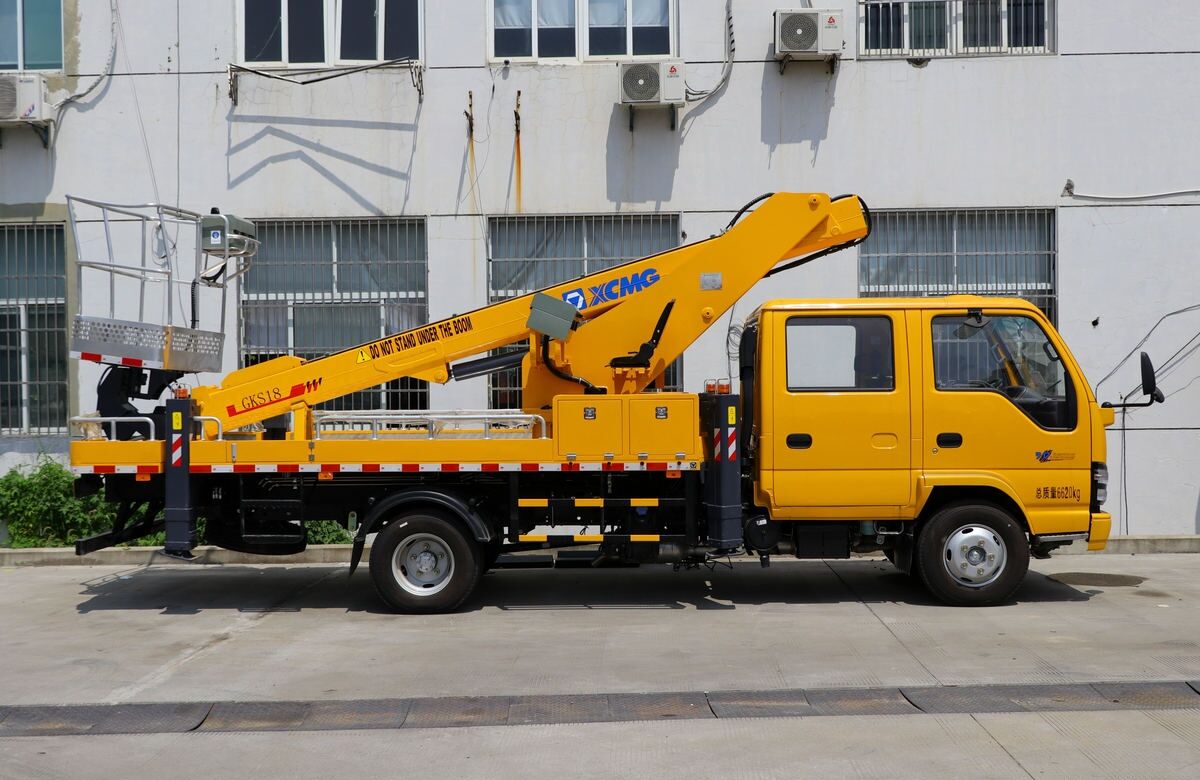
Modern construction and maintenance projects demand equipment that can reach significant heights while maintaining operational safety and efficiency. An aerial work vehicle represents a crucial investment for contractors, utility companies, and industrial facilities seeking to optimize their elevated work operations. These specialized machines combine advanced engineering with practical functionality to deliver superior performance across diverse applications. The strategic deployment of an aerial work vehicle can transform project timelines, reduce labor costs, and significantly enhance workplace safety standards. Understanding the comprehensive benefits of these machines helps organizations make informed equipment decisions that drive long-term operational success.
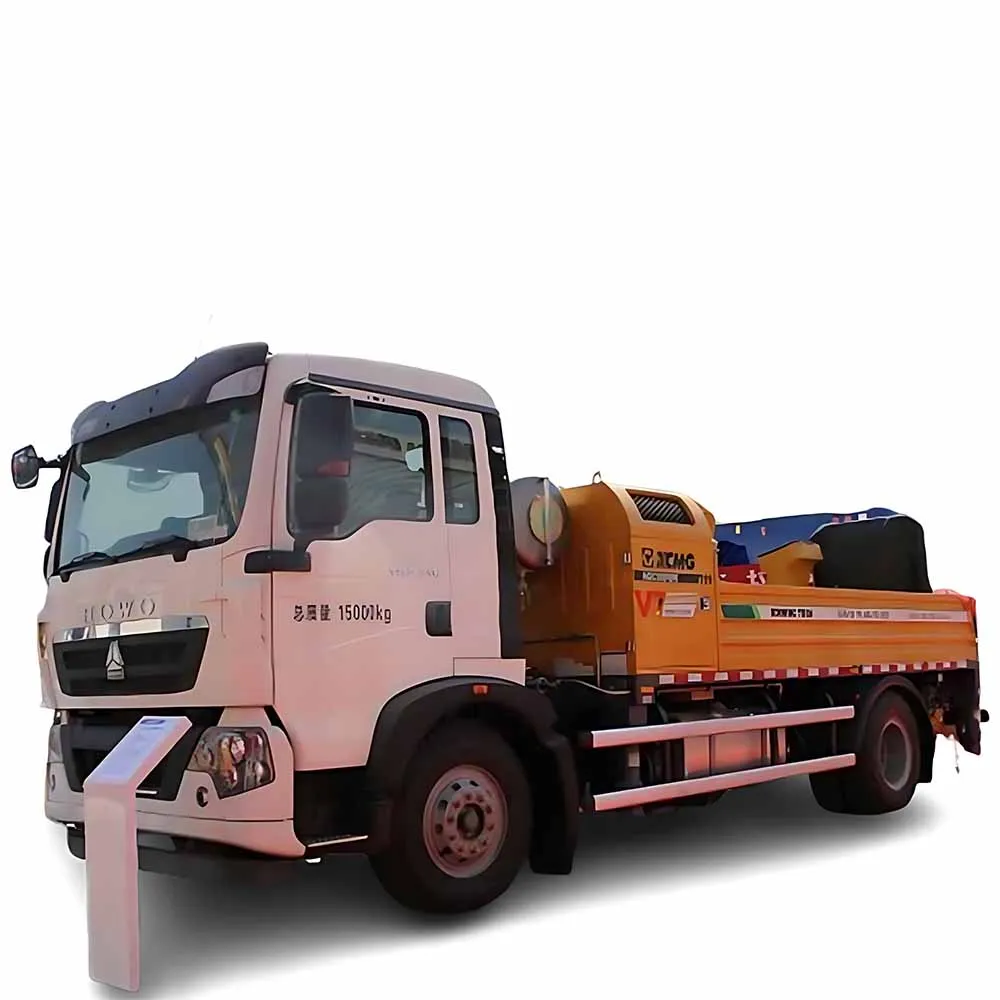
Enhanced Safety Features in Modern Aerial Work Platforms
Advanced Stabilization Systems
Contemporary aerial work vehicle designs incorporate sophisticated stabilization technologies that dramatically reduce the risk of accidents and equipment failure. These systems utilize hydraulic outriggers, automatic leveling sensors, and computer-controlled weight distribution mechanisms to ensure optimal stability during operation. The integration of real-time monitoring systems provides operators with continuous feedback about platform positioning, load capacity, and environmental conditions that could affect safety performance.
The stabilization technology extends beyond basic mechanical supports to include advanced gyroscopic systems that compensate for wind loads and operator movement. This technological advancement allows workers to perform precise tasks at height without the constant concern of platform instability. The result is increased productivity and reduced fatigue among operators who can focus on their work rather than maintaining balance and stability.
Comprehensive Safety Protocols
Every modern aerial work vehicle incorporates multiple layers of safety protection designed to prevent accidents and protect personnel. These systems include emergency descent capabilities, dual-circuit hydraulic systems, and automatic shutdown protocols that activate when unsafe conditions are detected. Operator training programs complement these technical features by ensuring that personnel understand proper operating procedures and emergency response protocols.
The implementation of load monitoring systems prevents overloading conditions that could compromise platform stability or structural integrity. These intelligent systems provide real-time weight distribution analysis and alert operators when approaching maximum capacity limits. Additionally, weather monitoring capabilities help operators make informed decisions about safe operating conditions, particularly regarding wind speeds and precipitation levels that could affect platform stability.
Operational Efficiency Benefits
Time Savings and Productivity Gains
Deploying an aerial work vehicle significantly reduces the time required to complete elevated tasks compared to traditional methods such as scaffolding or ladder systems. The rapid positioning capabilities of these machines allow operators to move between work locations quickly, eliminating the time-consuming setup and breakdown processes associated with fixed access solutions. This mobility advantage translates directly into increased daily productivity and faster project completion times.
The extended reach capabilities of modern aerial platforms enable operators to access multiple work points from a single position, reducing the frequency of repositioning requirements. This operational efficiency becomes particularly valuable in complex industrial environments where traditional access methods would require extensive preparation and safety protocols. The ability to complete tasks in a fraction of the traditional time allows organizations to take on additional projects or allocate resources to other critical activities.
Cost-Effective Operations
The economic advantages of utilizing an aerial work vehicle extend beyond immediate time savings to encompass reduced labor requirements and lower overall project costs. These machines typically require fewer personnel to accomplish the same tasks that would demand larger crews using conventional methods. The reduction in labor costs, combined with faster project completion, creates substantial savings that quickly justify the equipment investment.
Maintenance and operational costs for aerial work vehicles have decreased significantly due to technological improvements and more efficient hydraulic systems. Modern machines feature longer service intervals, improved component durability, and diagnostic systems that predict maintenance requirements before failures occur. This proactive approach to maintenance reduces unexpected downtime and extends equipment lifespan, further enhancing the economic benefits of ownership or rental.
Versatile Applications Across Industries
Construction and Building Maintenance
The construction industry relies heavily on aerial work vehicle technology for a wide range of applications, from high-rise building construction to routine maintenance tasks. These machines provide essential access for activities such as window installation, exterior painting, structural inspections, and HVAC system maintenance. The versatility of modern platforms allows contractors to handle diverse project requirements with a single piece of equipment, reducing the need for multiple specialized access solutions.
Building maintenance operations benefit significantly from the precision and reliability of aerial work vehicle systems. Regular maintenance tasks such as gutter cleaning, roof repairs, and facade maintenance can be completed more safely and efficiently using these platforms. The ability to position workers at optimal working angles and distances from building surfaces improves work quality while reducing physical strain on operators.
Utility and Infrastructure Services
Utility companies and infrastructure service providers have embraced aerial work vehicle technology as an essential component of their operational capabilities. These machines enable safe and efficient access to power lines, telecommunications equipment, street lighting, and traffic signal systems. The insulated boom options available on many platforms provide additional safety measures when working near electrical systems, making them indispensable for utility maintenance operations.
Emergency response scenarios often require rapid deployment of personnel to elevated positions for repair or rescue operations. An aerial work vehicle provides the mobility and reach necessary to respond quickly to infrastructure failures or emergency situations. The reliability and rapid deployment capabilities of these machines make them valuable assets for maintaining critical infrastructure and ensuring public safety.
Technology Integration and Smart Features
Digital Control Systems
Modern aerial work vehicle designs incorporate sophisticated digital control systems that enhance both safety and operational efficiency. These systems provide operators with intuitive interfaces that simplify complex operations while maintaining precise control over platform movement and positioning. Touch-screen displays present real-time operational data, diagnostic information, and maintenance alerts in an easily accessible format.
The integration of GPS positioning and fleet management systems allows organizations to track equipment utilization, monitor operational parameters, and optimize deployment strategies. This data-driven approach to equipment management provides valuable insights into productivity patterns and helps identify opportunities for operational improvements. Remote monitoring capabilities enable proactive maintenance scheduling and rapid response to equipment issues.
Automated Safety Systems
Contemporary aerial work vehicle platforms feature automated safety systems that continuously monitor operational conditions and intervene when potentially dangerous situations are detected. These systems include automatic platform leveling, load moment protection, and collision avoidance technologies that prevent accidents before they occur. The integration of artificial intelligence and machine learning algorithms enables these systems to adapt to changing conditions and improve safety performance over time.
Operator assistance features such as automated positioning and preset work configurations reduce the potential for human error while improving operational efficiency. These smart systems learn from operational patterns and can suggest optimal positioning strategies for specific tasks. The combination of human expertise and automated assistance creates a safer and more productive working environment for elevated operations.
Environmental Considerations and Sustainability
Fuel Efficiency and Emissions Reduction
The latest generation of aerial work vehicle designs prioritizes environmental sustainability through improved fuel efficiency and reduced emissions output. Advanced engine technologies, including hybrid powertrains and electric drive systems, significantly reduce the environmental impact of these machines while maintaining operational performance. These improvements align with corporate sustainability goals and increasingly stringent environmental regulations.
Electric and hybrid aerial work vehicle options provide silent operation capabilities that are particularly valuable in noise-sensitive environments such as residential areas or healthcare facilities. The reduced noise levels improve working conditions for operators and minimize disruption to surrounding activities. Battery technology improvements have extended operational runtime while reducing charging times, making electric platforms practical for full-day operations.
Sustainable Operating Practices
Implementing sustainable practices in aerial work vehicle operations extends beyond equipment selection to encompass operational strategies and maintenance procedures. Proper route planning and task scheduling maximize equipment utilization while minimizing fuel consumption and transportation requirements. Regular maintenance and timely component replacement ensure optimal performance and extend equipment lifespan, reducing overall environmental impact.
The durability and longevity of modern aerial work vehicle designs contribute to sustainability by reducing the frequency of equipment replacement and minimizing waste generation. Manufacturers increasingly focus on recyclable materials and sustainable manufacturing processes that reduce the environmental footprint of production. These comprehensive sustainability approaches create value for organizations while supporting environmental stewardship goals.
Selection Criteria and Implementation Strategies
Matching Equipment to Applications
Selecting the appropriate aerial work vehicle requires careful analysis of operational requirements, site conditions, and project specifications. Key considerations include maximum working height, horizontal reach capabilities, platform size and weight capacity, and power source requirements. Understanding these parameters ensures that the selected equipment will meet performance expectations while providing optimal value for the intended applications.
Site accessibility and transportation requirements play crucial roles in equipment selection decisions. Compact aerial work vehicle designs provide access to confined spaces and indoor applications, while larger platforms offer extended reach and higher capacity for demanding outdoor projects. Evaluating site-specific constraints and access requirements helps identify the most suitable equipment configuration for each application.
Training and Certification Requirements
Effective implementation of aerial work vehicle technology requires comprehensive operator training programs that address both technical operation and safety procedures. Certification programs ensure that operators understand equipment capabilities, limitations, and proper operating procedures. Regular refresher training keeps operators current with evolving technology and safety standards while reinforcing best practices.
Maintenance personnel require specialized training to properly service and repair aerial work vehicle systems. Understanding hydraulic systems, electrical components, and safety systems enables maintenance teams to keep equipment operating at peak performance while ensuring safety compliance. Manufacturer training programs and technical support services provide the expertise necessary for effective equipment management.
FAQ
What are the main safety advantages of using an aerial work vehicle compared to traditional scaffolding?
An aerial work vehicle provides superior safety through multiple protection systems including automatic stabilization, load monitoring, emergency descent capabilities, and real-time hazard detection. Unlike scaffolding, these platforms offer immediate evacuation options, weather protection systems, and eliminate the risks associated with climbing and working on temporary structures. The controlled environment and engineered safety features significantly reduce accident rates compared to traditional elevated access methods.
How does an aerial work vehicle improve project completion times?
These machines dramatically reduce setup and repositioning time compared to scaffolding or ladder systems, allowing operators to move between work locations within minutes rather than hours. The extended reach capabilities enable access to multiple work points from a single position, eliminating frequent equipment moves. Additionally, the stable platform allows for more precise and faster work execution, while the ability to carry tools and materials on the platform reduces trips to ground level.
What maintenance requirements should be expected for aerial work vehicle operations?
Modern aerial work vehicle systems require routine inspections of hydraulic systems, electrical components, and safety devices according to manufacturer specifications. Daily pre-operation checks, regular fluid changes, and periodic structural inspections ensure optimal performance and safety compliance. Advanced diagnostic systems provide early warning of potential issues, allowing for proactive maintenance that prevents costly downtime and extends equipment lifespan.
How do weather conditions affect aerial work vehicle operations?
Weather monitoring systems integrated into modern platforms provide real-time assessment of operating conditions, with automatic shutdown protocols when wind speeds exceed safe limits. Most aerial work vehicle units can operate safely in light rain and moderate wind conditions, but operations are typically suspended during severe weather, electrical storms, or when ice conditions create slipping hazards. Enclosed cab options provide weather protection for operators while maintaining safe operation in challenging conditions.
Table of Contents
- Enhanced Safety Features in Modern Aerial Work Platforms
- Operational Efficiency Benefits
- Versatile Applications Across Industries
- Technology Integration and Smart Features
- Environmental Considerations and Sustainability
- Selection Criteria and Implementation Strategies
-
FAQ
- What are the main safety advantages of using an aerial work vehicle compared to traditional scaffolding?
- How does an aerial work vehicle improve project completion times?
- What maintenance requirements should be expected for aerial work vehicle operations?
- How do weather conditions affect aerial work vehicle operations?