
 EN
EN
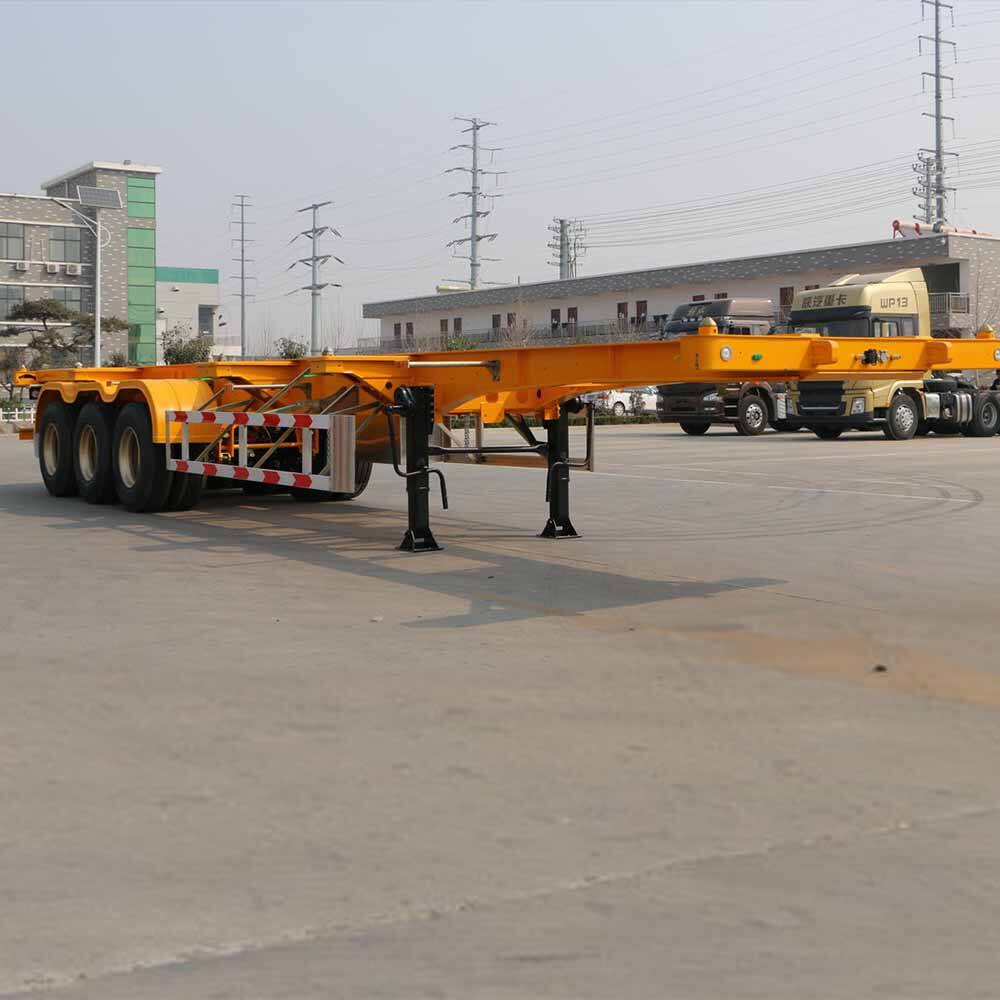
The transportation industry relies heavily on truck trailers to move goods efficiently across various distances and terrains. These specialized vehicles serve as the backbone of modern logistics, enabling businesses to transport everything from consumer products to heavy industrial equipment. Understanding the different types of truck trailers and their specific applications is crucial for fleet managers, logistics coordinators, and anyone involved in freight transportation. Each trailer type is engineered for particular cargo requirements, ensuring optimal efficiency and safety during transport operations.
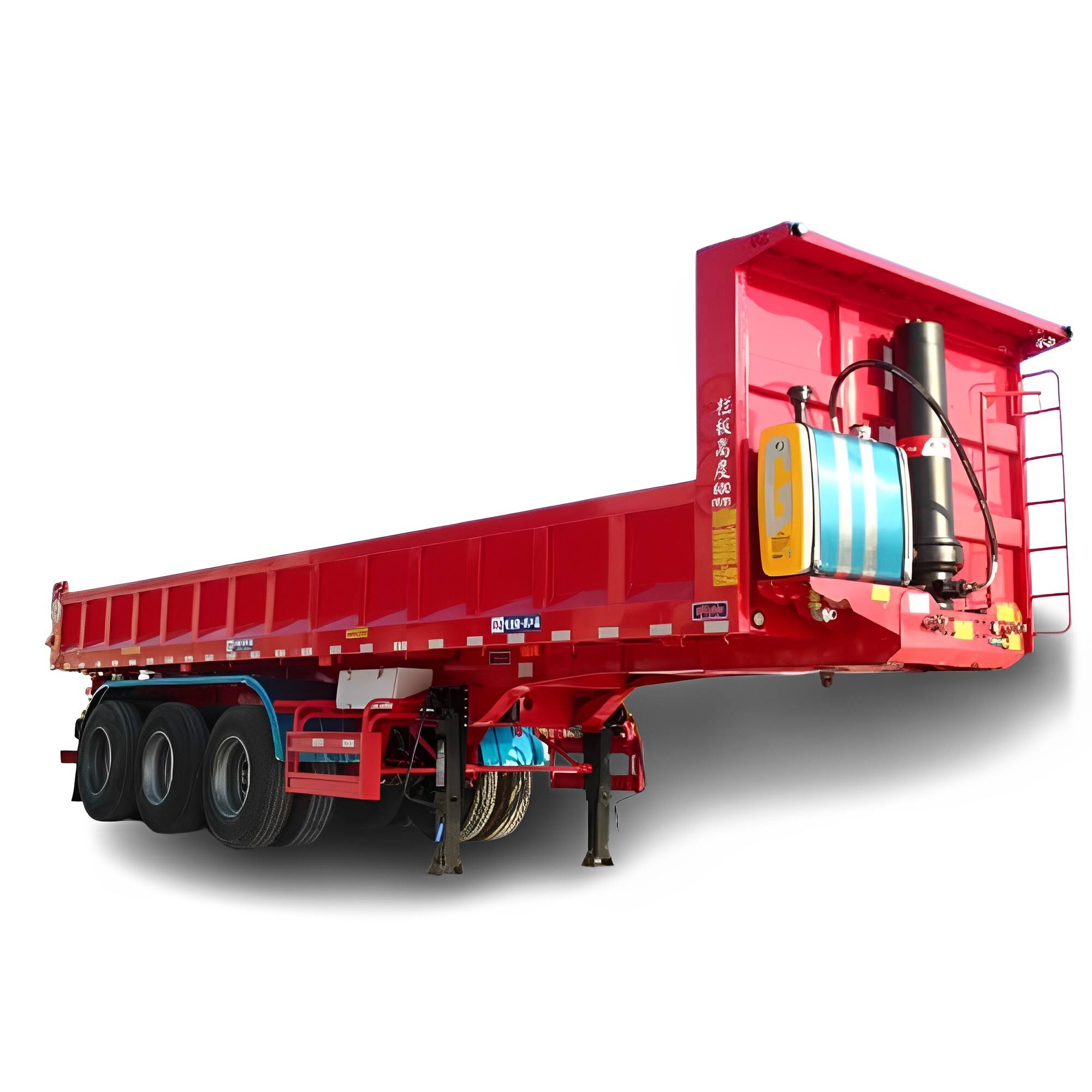
Enclosed Trailer Categories
Dry Van Trailers
Dry van trailers represent the most common type of truck trailers used in commercial transportation today. These enclosed units protect cargo from weather conditions while providing secure storage during transit. The standard dimensions typically measure 53 feet in length, 8.5 feet in width, and 9 feet in height, offering substantial cargo capacity for various goods. Companies frequently utilize dry van trailers for transporting packaged consumer products, electronics, clothing, and non-perishable items that require protection from external elements.
The versatility of dry van trailers makes them indispensable for retail distribution networks and e-commerce fulfillment operations. Their enclosed design prevents theft and weather damage while maintaining cargo integrity throughout long-distance hauls. Many logistics companies prefer these trailers for their reliability and ability to handle diverse cargo types without requiring specialized loading equipment or handling procedures.
Refrigerated Trailers
Refrigerated truck trailers, commonly known as reefers, maintain controlled temperature environments for perishable goods during transportation. These specialized units feature advanced cooling systems that can maintain temperatures ranging from frozen conditions to slightly above ambient temperature. The food industry depends heavily on refrigerated trailers to transport fresh produce, dairy products, frozen foods, and temperature-sensitive pharmaceuticals across regional and national distribution networks.
Modern refrigerated trailers incorporate sophisticated monitoring systems that track temperature variations and humidity levels throughout the journey. This technology ensures compliance with food safety regulations and pharmaceutical storage requirements. The construction of these trailers includes heavy insulation and sealed doors to maintain consistent internal conditions regardless of external weather variations.
Open Platform Trailer Designs
Flatbed Trailers
Flatbed truck trailers provide an open platform design that facilitates easy loading and unloading of oversized or irregularly shaped cargo. These trailers feature no sides or roof, allowing crane access from multiple angles and accommodating loads that exceed standard height or width restrictions. Construction companies frequently use flatbed trailers to transport steel beams, lumber, machinery, and building materials that require overhead crane loading or cannot fit within enclosed trailer dimensions.
The absence of side walls and overhead clearance restrictions makes flatbed trailers ideal for transporting heavy equipment and construction materials. Securing cargo on flatbed trailers requires specialized tie-down techniques and equipment to ensure load stability during transport. These trailers often feature built-in anchor points and mounting systems to facilitate proper cargo securement according to transportation safety regulations.
Lowboy Trailers
Lowboy trailers, also called low loaders, feature an extremely low deck height that enables transportation of tall equipment while maintaining legal height limits on public roadways. The design incorporates a well or depression in the trailer bed that lowers the cargo center of gravity and provides additional clearance for oversized loads. Heavy equipment operators rely on lowboy trailers to move excavators, bulldozers, cranes, and other construction machinery between job sites.
These specialized truck trailers typically feature detachable goosenecks or hydraulic systems that facilitate easy loading and unloading of tracked or wheeled equipment. The low profile design reduces the need for special routing permits in many jurisdictions while maintaining stability during transport operations. Lowboy trailers often incorporate multiple axle configurations to distribute weight effectively and comply with bridge and roadway weight limits.
Bulk Material Transportation
Tanker Trailers
Tanker truck trailers specialize in transporting liquid and gaseous materials in sealed compartments designed to prevent spills and maintain product purity. These cylindrical containers handle various substances including petroleum products, chemicals, food-grade liquids, and compressed gases. The chemical industry relies extensively on tanker trailers to move raw materials and finished products between manufacturing facilities and distribution centers safely and efficiently.
Different tanker configurations accommodate specific material properties and transportation requirements. Insulated tankers maintain temperature control for materials that solidify at ambient temperatures, while pressurized vessels handle compressed gases and volatile liquids. Safety features include emergency shutoff valves, spill containment systems, and specialized pumping equipment for loading and unloading operations.
Hopper Trailers
Hopper trailers transport granular and powdered bulk materials through gravity-fed discharge systems located at the bottom of the container. These truck trailers feature sloped internal surfaces that direct materials toward discharge gates, enabling efficient unloading without manual intervention. Agricultural operations frequently use hopper trailers to transport grain, feed, fertilizer, and other bulk commodities from production areas to processing facilities and distribution points.
The design of hopper trailers includes multiple compartments that allow transportation of different materials simultaneously or provide load distribution benefits during transport. Pneumatic discharge systems enhance unloading efficiency for fine powders and materials that tend to bridge or stick together. Many hopper trailers feature weather-resistant covers to protect cargo from moisture and contamination during outdoor storage and transport operations.
Specialized Heavy-Duty Applications
Multi-Axle Configurations
Multi-axle truck trailers distribute extreme weight loads across additional wheel sets to comply with axle weight restrictions while transporting heavy industrial equipment. These specialized configurations can include up to twelve axles or more, depending on load requirements and local transportation regulations. Power generation companies use multi-axle trailers to transport transformers, generators, and other heavy electrical equipment that exceeds standard weight limits for conventional trailer designs.
The engineering of multi-axle trailers incorporates sophisticated suspension systems and steering mechanisms that maintain maneuverability despite extended length and weight. Hydraulic systems often provide individual axle control for navigating tight corners and uneven terrain. These trailers require special permits and escort vehicles for highway transport due to their size and weight characteristics.
Modular Trailer Systems
Modular trailer systems offer configurable platforms that can be assembled into various configurations depending on cargo requirements and transportation constraints. These systems allow transportation companies to customize trailer length, width, and load capacity for specific projects without maintaining extensive specialized fleet inventories. Industrial plant relocations and infrastructure projects often require modular truck trailers to accommodate unique dimensional and weight requirements.
The modular approach provides cost-effective solutions for occasional heavy haul requirements while maintaining operational flexibility. Individual modules can be combined or separated as needed, reducing storage requirements and maintenance costs compared to dedicated heavy-haul equipment. Advanced hydraulic and mechanical coupling systems ensure secure connections between modules during transport operations.
Construction and Mining Applications
End Dump Trailers
End dump trailers feature hydraulic lifting mechanisms that raise the front portion of the cargo bed to discharge materials through the rear opening. These truck trailers excel at transporting and unloading loose materials such as sand, gravel, soil, and demolition debris in construction and mining operations. The rapid unloading capability makes end dump trailers highly efficient for high-volume material handling applications where quick turnaround times are essential.
Construction projects benefit from the versatility of end dump trailers in handling various aggregate materials and waste products. The design incorporates reinforced construction to withstand the impact of heavy materials during loading operations. Many end dump trailers feature automatic tarp systems to cover loads during highway transport and prevent material spillage or dust generation.
Side Dump Configurations
Side dump truck trailers discharge cargo laterally rather than through the rear, providing advantages in confined spaces where backing up for rear discharge is not practical. Mining operations frequently employ side dump trailers to unload materials alongside conveyor systems or in areas with limited maneuvering space. The side discharge mechanism allows precise placement of materials and reduces the need for additional equipment to spread or position discharged cargo.
These specialized trailers incorporate robust hydraulic systems capable of lifting substantial loads while maintaining stability during the dumping process. Safety features include load monitoring systems and automatic shutoff mechanisms to prevent overturning during discharge operations. The design considerations for side dump trailers emphasize structural integrity and operator safety in demanding mining and construction environments.
FAQ
What factors determine the appropriate trailer type for specific cargo
The selection of appropriate truck trailers depends on several critical factors including cargo dimensions, weight, temperature requirements, and loading accessibility. Perishable goods require refrigerated trailers to maintain product quality, while oversized equipment may need flatbed or lowboy configurations. Material properties such as liquid, granular, or solid forms also influence trailer selection, as do regulatory requirements for hazardous materials transport.
How do weight restrictions affect trailer configuration choices
Federal and state weight limits significantly impact trailer selection and configuration decisions for truck trailers. Standard single-axle limits of 20,000 pounds and tandem-axle limits of 34,000 pounds require careful load distribution planning. Heavy cargo may necessitate multi-axle trailers or specialized permit loads, while lightweight but voluminous cargo works well with standard dry van configurations that maximize cubic capacity rather than weight capacity.
What maintenance considerations apply to different trailer types
Different truck trailers require specific maintenance protocols based on their operational environments and mechanical systems. Refrigerated units need regular cooling system maintenance and temperature calibration, while hydraulic dump trailers require frequent fluid checks and seal inspections. Flatbed trailers demand careful attention to tie-down points and deck condition, whereas enclosed trailers focus on door mechanisms, weatherproofing, and structural integrity maintenance.
How do regulatory requirements vary between trailer types
Regulatory compliance varies significantly among different truck trailers based on cargo types and operational characteristics. Hazmat tankers require specialized certifications, placarding, and route restrictions, while oversized loads on specialized trailers need permits and escort vehicles. Food-grade trailers must comply with FDA sanitation standards, and commercial vehicles over certain weights require specific licensing and inspection protocols regardless of trailer configuration.