
 EN
EN
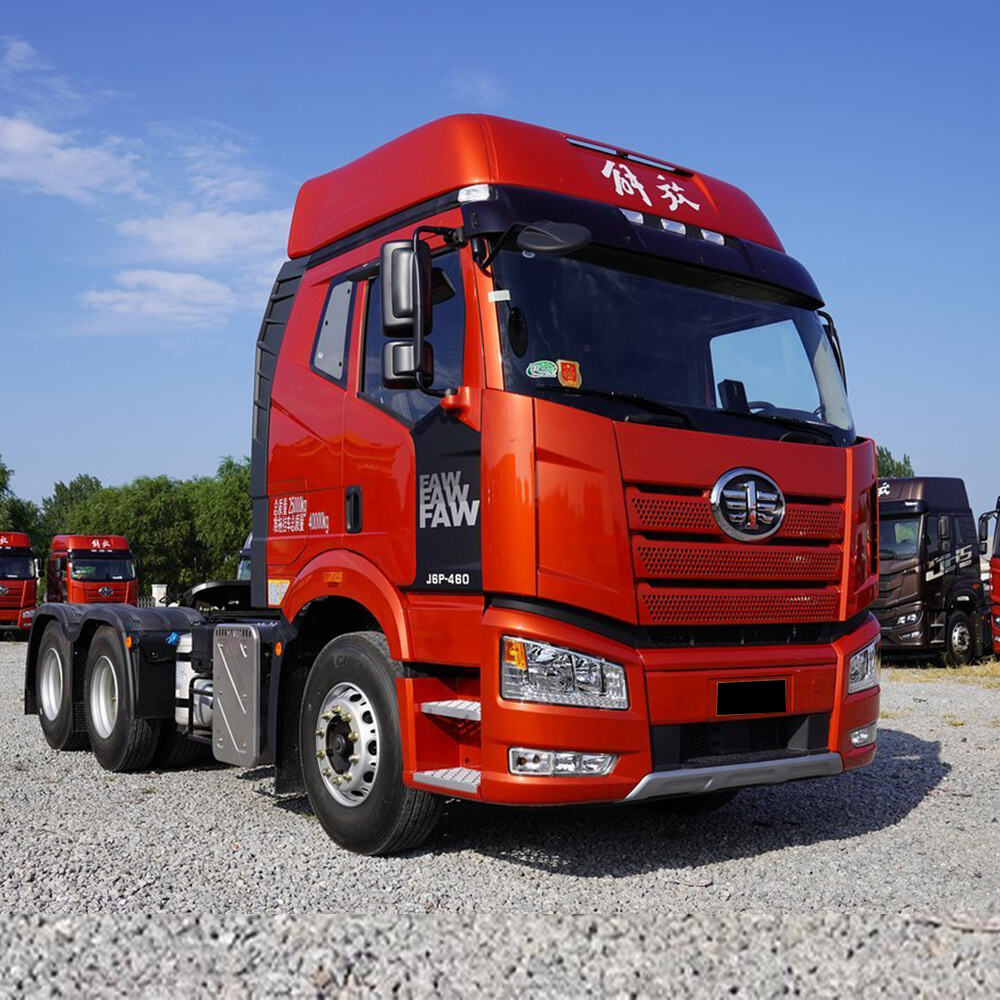
In the world of commercial transportation, tractor trucks stand as the backbone of long-haul freight operations across the globe. These powerful vehicles represent the pinnacle of engineering design, specifically crafted to handle the demanding requirements of heavy-duty road transport. Modern logistics networks depend heavily on the reliability and performance capabilities that tractor trucks deliver day after day.
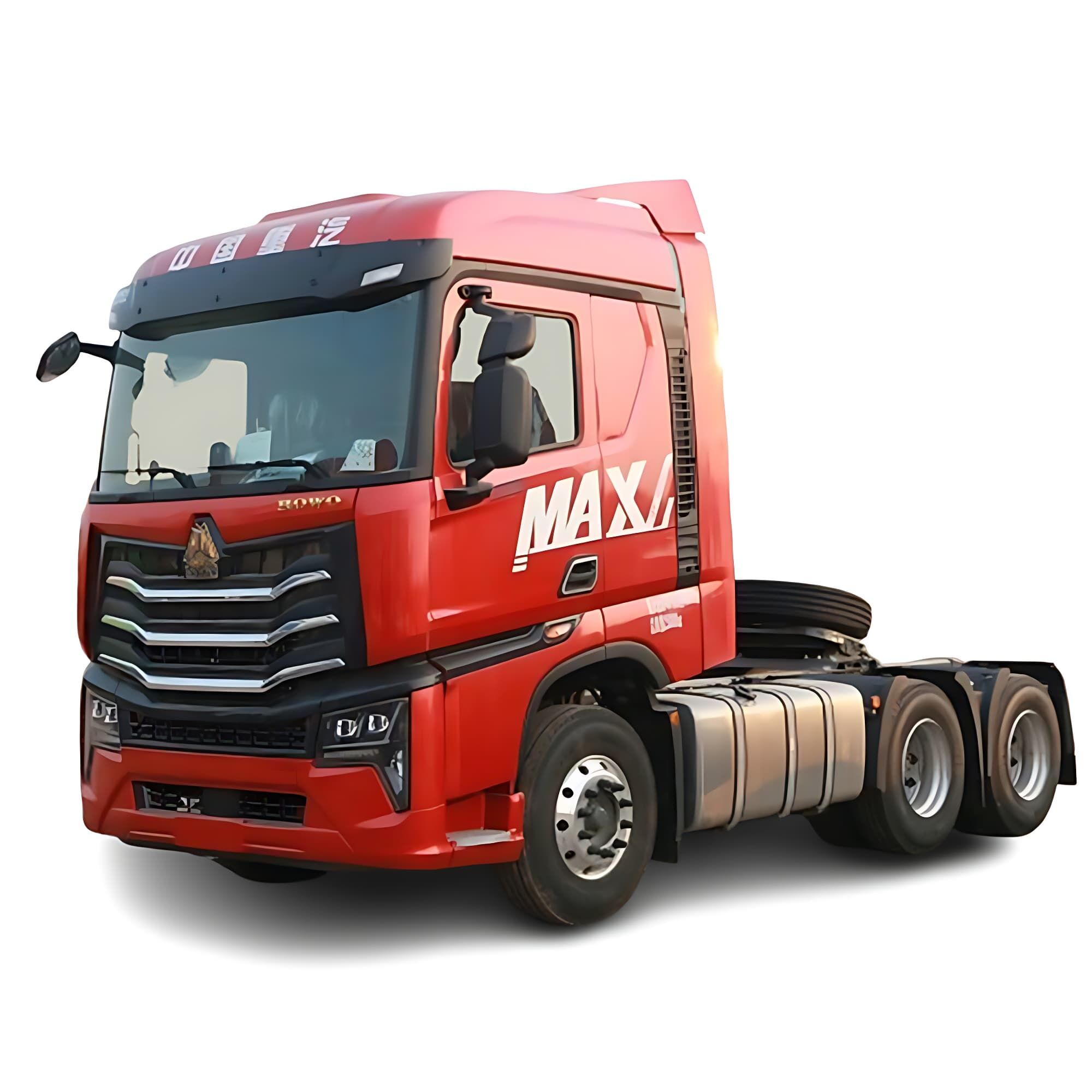
The evolution of tractor trucks has transformed the transportation industry, enabling businesses to move massive cargo loads efficiently across vast distances. These specialized vehicles combine advanced mechanical systems with ergonomic design principles to create machines capable of sustained high-performance operation. Understanding the fundamental characteristics and applications of tractor trucks becomes essential for fleet operators, logistics managers, and transportation professionals seeking optimal freight solutions.
Engineering Excellence in Heavy-Duty Vehicle Design
Powertrain Systems and Performance Capabilities
The heart of modern tractor trucks lies in their sophisticated powertrain systems, engineered to deliver exceptional torque and horsepower ratings suitable for hauling substantial trailer loads. Advanced diesel engines incorporate cutting-edge fuel injection technologies, turbocharging systems, and emission control mechanisms to maximize performance while meeting stringent environmental regulations. These powerplants typically generate between 350 and 600 horsepower, providing the necessary force to accelerate heavy combinations from standstill and maintain highway speeds even on challenging terrain.
Transmission systems in tractor trucks feature multiple gear ratios designed to optimize engine efficiency across varying load conditions and road gradients. Automated manual transmissions and fully automatic units have largely replaced traditional manual gearboxes, offering improved fuel economy, reduced driver fatigue, and enhanced operational consistency. The integration of predictive shift algorithms and terrain recognition software allows these vehicles to adapt their performance characteristics automatically to changing driving conditions.
Structural Integrity and Durability Features
The chassis construction of tractor trucks employs high-strength steel components and advanced welding techniques to create frameworks capable of withstanding the mechanical stresses associated with heavy freight operations. Reinforced frame rails, crossmembers, and mounting points distribute loads evenly throughout the vehicle structure, preventing premature fatigue and extending service life. The fifth-wheel coupling mechanism represents a critical structural element, engineered to securely connect trailers while allowing articulated movement during turning maneuvers.
Suspension systems in these vehicles utilize heavy-duty leaf springs, air bags, or sophisticated multi-link arrangements to manage the dynamic forces generated during loaded operations. These components work together to maintain tire contact with road surfaces, ensuring optimal traction and stability while minimizing vibration transmission to the driver compartment. The careful engineering of suspension geometry directly impacts ride quality, handling characteristics, and component longevity in demanding commercial applications.
Operational Advantages and Application Versatility
Long-Distance Transportation Efficiency
Modern tractor trucks excel in long-distance freight applications where their design advantages become most apparent. The spacious sleeper compartments found in over-the-road configurations provide comfortable rest facilities for drivers during mandatory rest periods, enabling continuous operation across transcontinental routes. Advanced climate control systems, ergonomic seating, and noise reduction technologies create working environments that reduce driver fatigue and improve overall safety performance.
Fuel efficiency optimization represents a crucial advantage of contemporary tractor trucks, with manufacturers implementing aerodynamic enhancements, low-rolling-resistance tires, and engine management systems that significantly reduce operating costs per mile. These improvements become particularly valuable in long-haul applications where fuel expenses constitute a major portion of total operating expenses. The integration of route planning software and real-time traffic information further enhances efficiency by optimizing travel paths and scheduling decisions.
Specialized Industry Applications
The versatility of tractor trucks extends across numerous specialized transportation sectors, including flatbed hauling, refrigerated transport, tanker operations, and oversized load movement. Each application requires specific modifications to the base vehicle platform, such as power take-off systems for hydraulic equipment, auxiliary power units for refrigeration systems, or enhanced braking capabilities for heavy loads. This adaptability makes tractor trucks suitable for diverse freight requirements ranging from general merchandise to specialized industrial equipment.
Construction and infrastructure development projects rely heavily on tractor trucks for moving heavy machinery, building materials, and specialized equipment to remote job sites. The robust construction and powerful drivetrains of these vehicles enable operation in challenging environments where standard commercial vehicles would be inadequate. Off-road capabilities, enhanced cooling systems, and reinforced components allow tractor trucks to perform reliably in demanding construction applications.
Technology Integration and Advanced Systems
Electronic Control and Monitoring Systems
Contemporary tractor trucks incorporate sophisticated electronic control units that manage engine performance, transmission operation, braking systems, and various auxiliary functions. These integrated systems continuously monitor vehicle parameters and automatically adjust operational characteristics to optimize performance, fuel economy, and component protection. Advanced diagnostic capabilities enable predictive maintenance scheduling and rapid fault identification, reducing unexpected downtime and repair costs.
Fleet management technologies integrated into modern tractor trucks provide real-time location tracking, performance monitoring, and communication capabilities that enhance operational efficiency and safety oversight. GPS navigation systems, electronic logging devices, and wireless communication platforms enable fleet operators to monitor vehicle status, driver compliance, and cargo security throughout transportation operations. These technological advances represent significant improvements in operational transparency and regulatory compliance for commercial transportation companies.
Safety Enhancement Technologies
Advanced safety systems in tractor trucks include collision mitigation technologies, lane departure warning systems, and stability control mechanisms that actively assist drivers in maintaining safe operation. Electronic braking systems with anti-lock capabilities provide superior stopping performance and directional control during emergency situations. The integration of camera systems, radar sensors, and proximity detection devices creates comprehensive awareness of the vehicle's surrounding environment, particularly valuable when maneuvering in congested areas or backing up to loading docks.
Driver assistance features such as adaptive cruise control, automatic emergency braking, and fatigue monitoring systems work together to reduce the likelihood of accidents and improve overall transportation safety. These technologies represent significant advances in commercial vehicle safety, addressing common causes of truck-involved accidents through proactive intervention and driver support systems. The continued development of autonomous driving capabilities promises further improvements in safety performance and operational efficiency for tractor trucks in the future.
Economic Impact and Industry Significance
Cost-Effectiveness in Freight Operations
The economic advantages of tractor trucks in commercial transportation stem from their ability to move large quantities of freight efficiently over long distances. The trailer interchange capability allows these vehicles to maximize utilization by quickly connecting to different trailer types and cargo loads without lengthy loading and unloading procedures. This operational flexibility translates directly into improved revenue generation and reduced per-mile transportation costs for freight operators.
Maintenance and service considerations for tractor trucks benefit from standardized component designs and widespread parts availability throughout the commercial vehicle service network. Extended service intervals, durable component construction, and comprehensive warranty coverage help minimize operational disruptions and control long-term ownership costs. The resale value retention of well-maintained tractor trucks provides additional economic benefits for fleet operators seeking to optimize their equipment investment returns.
Environmental Considerations and Regulations
Modern tractor trucks must comply with increasingly stringent emissions regulations while maintaining the performance characteristics required for efficient freight transportation. Advanced exhaust aftertreatment systems, including diesel particulate filters and selective catalytic reduction technology, enable these vehicles to meet current environmental standards without compromising operational capability. The development of alternative fuel systems, including natural gas and hybrid-electric powertrains, represents ongoing efforts to reduce the environmental impact of heavy-duty transportation.
The efficiency improvements achieved by contemporary tractor trucks contribute significantly to reducing the overall carbon footprint of freight transportation. Enhanced aerodynamics, improved engine efficiency, and optimized vehicle weight distribution allow these vehicles to move more cargo using less fuel compared to previous generations. These environmental benefits align with corporate sustainability initiatives and regulatory requirements driving the adoption of cleaner transportation technologies across the logistics industry.
Future Developments and Industry Trends
Autonomous Driving Technology Integration
The integration of autonomous driving capabilities into tractor trucks represents one of the most significant technological developments in commercial transportation. Advanced sensor arrays, artificial intelligence systems, and high-precision mapping technologies enable these vehicles to operate with reduced human intervention while maintaining safety and efficiency standards. The gradual implementation of autonomous features, beginning with highway driving assistance and progressing toward full automation, promises to transform long-haul freight operations fundamentally.
The development of connected vehicle technologies allows tractor trucks to communicate with infrastructure systems, other vehicles, and central dispatch facilities to optimize routing, reduce congestion, and improve overall transportation efficiency. Vehicle-to-vehicle communication capabilities enable coordinated movements and enhanced safety through shared situational awareness. These technological advances position tractor trucks at the forefront of intelligent transportation system development.
Electrification and Alternative Powertrains
Electric powertrain development for tractor trucks focuses on creating systems capable of handling the demanding performance requirements of heavy-duty freight operations while providing adequate range for practical commercial applications. Battery technology improvements, fast-charging infrastructure development, and electric motor efficiency gains are gradually making electric tractor trucks viable for specific applications. The transition to electric powertrains represents a fundamental shift in commercial vehicle design and operational characteristics.
Hydrogen fuel cell technology offers another alternative powertrain option for tractor trucks, particularly suitable for long-distance applications where battery weight and charging time limitations present challenges. The development of hydrogen refueling infrastructure and improvements in fuel cell efficiency and durability could make this technology competitive with traditional diesel powertrains. The exploration of multiple alternative powertrain options ensures that tractor trucks will continue to evolve in response to changing environmental requirements and operational needs.
FAQ
What maintenance requirements are typical for tractor trucks in commercial service
Tractor trucks require comprehensive maintenance programs including regular engine oil changes, filter replacements, brake system inspections, and tire rotations to ensure reliable operation. Scheduled maintenance intervals vary by manufacturer and operating conditions but typically range from 15,000 to 25,000 miles for major service events. Preventive maintenance programs help identify potential issues before they result in costly breakdowns or safety concerns, making regular servicing essential for commercial operators.
How do tractor trucks differ from other commercial vehicles in terms of licensing requirements
Operating tractor trucks requires a Commercial Driver's License with appropriate endorsements based on the type of cargo being transported and the gross vehicle weight rating. CDL requirements include written examinations, practical driving tests, and medical certifications to ensure drivers possess the necessary skills and physical capabilities for safe operation. Additional endorsements may be required for hazardous materials, passenger transport, or other specialized applications that tractor trucks may be used for in commercial service.
What factors should be considered when selecting tractor trucks for fleet operations
Fleet operators should evaluate factors including intended application requirements, expected annual mileage, driver comfort features, fuel efficiency ratings, maintenance costs, and resale value when selecting tractor trucks. The choice between different engine sizes, transmission types, and cab configurations depends on specific operational needs and driver preferences. Consideration of manufacturer support, parts availability, and service network coverage ensures long-term operational success and cost control for commercial fleets.
How do modern safety systems in tractor trucks help prevent accidents
Advanced safety systems in tractor trucks include collision mitigation braking, lane departure warnings, stability control, and blind spot monitoring that actively assist drivers in maintaining safe operation. Electronic stability systems help prevent rollovers and loss of control situations by automatically applying individual wheel brakes and reducing engine power when necessary. These technologies work together to address common causes of commercial vehicle accidents and provide drivers with enhanced situational awareness and emergency response capabilities.
Table of Contents
- Engineering Excellence in Heavy-Duty Vehicle Design
- Operational Advantages and Application Versatility
- Technology Integration and Advanced Systems
- Economic Impact and Industry Significance
- Future Developments and Industry Trends
-
FAQ
- What maintenance requirements are typical for tractor trucks in commercial service
- How do tractor trucks differ from other commercial vehicles in terms of licensing requirements
- What factors should be considered when selecting tractor trucks for fleet operations
- How do modern safety systems in tractor trucks help prevent accidents