
 EN
EN
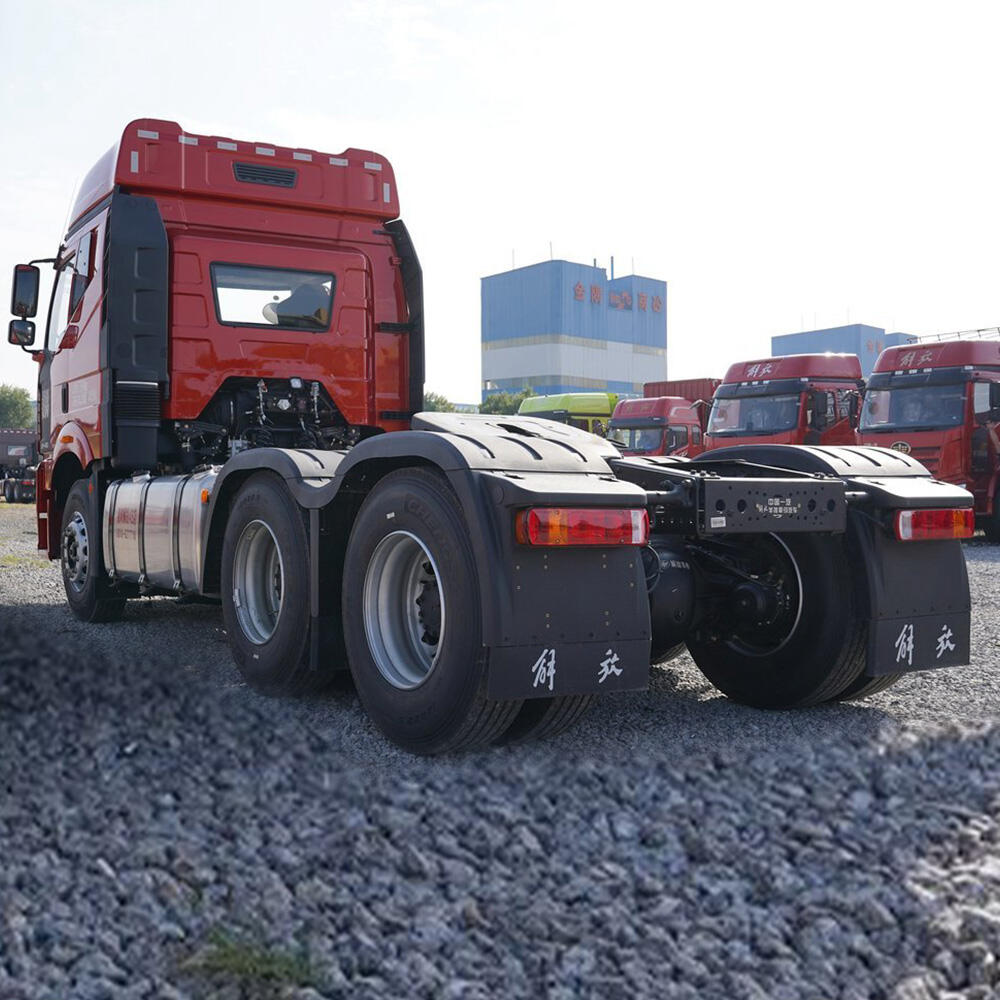
In today's competitive logistics landscape, businesses constantly seek ways to optimize their transportation operations and reduce overhead costs. Tractor trucks have emerged as the backbone of modern freight transportation, offering unparalleled versatility and efficiency for long-haul operations. These powerful vehicles serve as the primary solution for companies looking to streamline their supply chain processes while maintaining reliable delivery schedules. Understanding how tractor trucks contribute to supply chain efficiency can help businesses make informed decisions about their fleet management strategies.
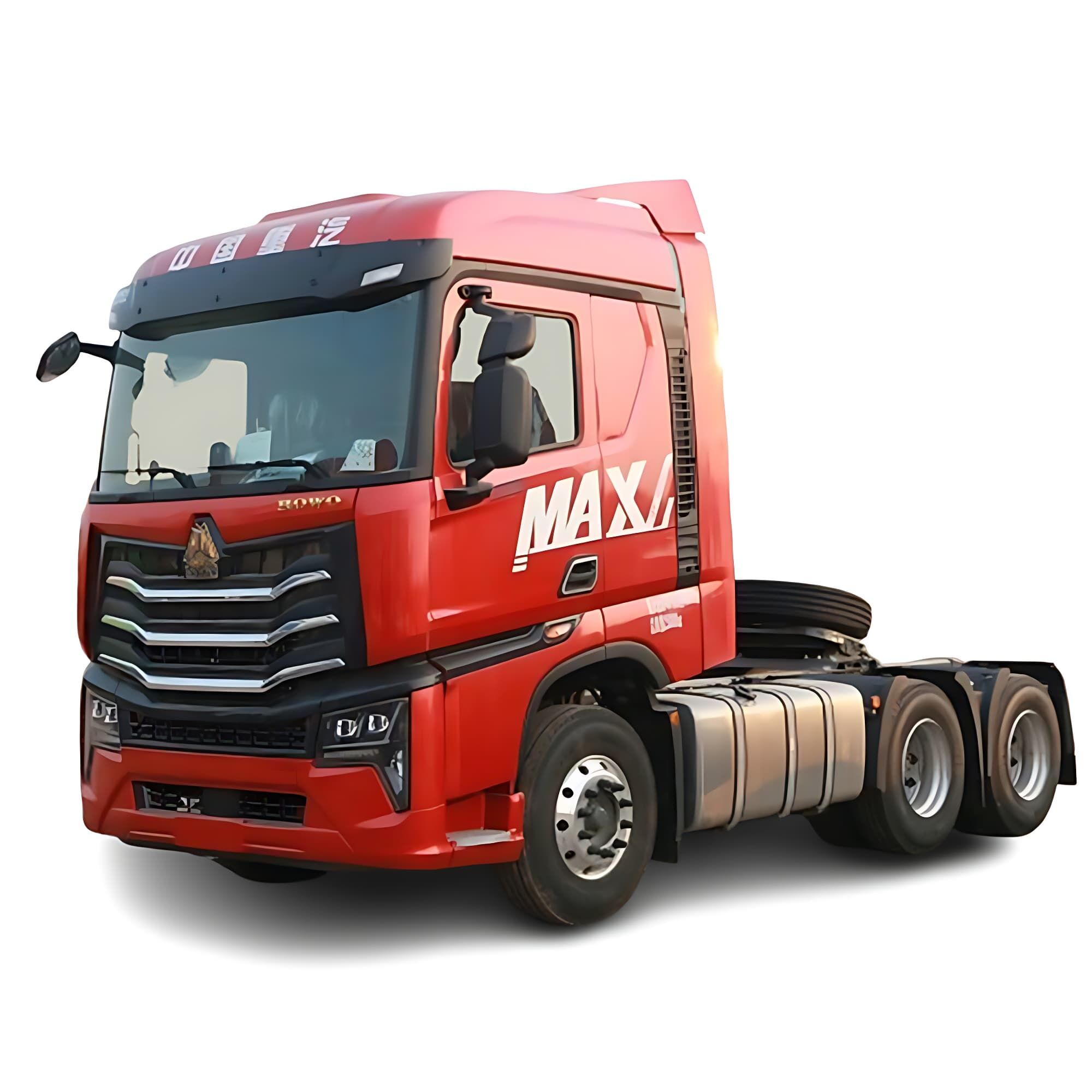
Enhanced Load Capacity and Flexibility
Maximum Cargo Utilization
Tractor trucks provide exceptional load capacity advantages that directly translate to improved supply chain efficiency. These vehicles can accommodate various trailer configurations, allowing businesses to transport larger volumes of goods in a single trip. The modular design enables companies to match trailer types to specific cargo requirements, whether hauling dry goods, refrigerated products, or specialized equipment. This flexibility reduces the number of trips needed to move equivalent cargo volumes compared to smaller delivery vehicles.
The ability to maximize payload capacity means fewer vehicles on the road, reduced fuel consumption per unit of cargo, and lower labor costs per delivery. Tractor trucks typically handle loads ranging from 26,000 to 80,000 pounds gross vehicle weight, significantly exceeding the capacity of straight trucks or delivery vans. This substantial carrying capacity allows logistics managers to consolidate shipments and optimize route planning for maximum efficiency.
Trailer Interchangeability
One of the most significant advantages of tractor trucks lies in their trailer interchangeability feature. Drivers can quickly disconnect from one trailer and attach to another, minimizing downtime and maximizing vehicle utilization. This capability enables continuous operation where one tractor can service multiple trailers throughout a single shift, dramatically improving asset productivity.
The drop-and-hook method allows tractor trucks to maintain constant movement while trailers are being loaded or unloaded at distribution centers. This operational efficiency reduces waiting times, increases daily mileage potential, and improves overall fleet productivity. Companies can strategically position loaded trailers at various locations, enabling tractor trucks to maintain optimal schedules without delays associated with cargo handling operations.
Advanced Fuel Efficiency Technologies
Modern Engine Performance
Contemporary tractor trucks incorporate cutting-edge engine technologies that significantly enhance fuel efficiency compared to older models. Advanced diesel engines feature improved combustion systems, turbocharging, and sophisticated electronic control units that optimize performance across various operating conditions. These technological improvements translate directly to reduced fuel costs, which represent a substantial portion of transportation operating expenses.
Manufacturers have developed engines that meet stringent emissions standards while maintaining power output and reliability. Features such as selective catalytic reduction, diesel particulate filters, and exhaust gas recirculation systems not only reduce environmental impact but also contribute to improved fuel economy. Fleet operators utilizing modern tractor trucks report fuel efficiency improvements of 15-25% compared to vehicles manufactured just a decade ago.
Aerodynamic Design Innovations
Aerodynamic enhancements play a crucial role in improving tractor truck efficiency, particularly during highway operations. Modern designs incorporate streamlined cab profiles, integrated air deflectors, and side fairings that reduce wind resistance and improve fuel economy. These design elements become increasingly important as fuel costs rise and environmental regulations become more stringent.
Wind tunnel testing and computational fluid dynamics have enabled manufacturers to develop cab designs that minimize drag coefficients while maintaining driver comfort and visibility. Features such as integrated bumpers, optimized mirror positioning, and chassis skirts contribute to measurable fuel savings during long-haul operations. Fleet managers recognize that aerodynamic improvements can result in fuel savings of 5-10% during highway driving, representing significant cost reductions over annual mileage totals.
Route Optimization and GPS Integration
Real-Time Traffic Management
Modern tractor trucks equipped with advanced GPS and telematics systems enable real-time route optimization that significantly improves supply chain efficiency. These systems continuously monitor traffic conditions, road closures, and weather patterns to suggest optimal routing alternatives. Drivers receive updated instructions that help avoid congestion, reduce travel times, and improve fuel efficiency through more direct routing.
Fleet management software integrates with GPS systems to provide dispatchers with comprehensive visibility into vehicle locations and estimated arrival times. This real-time information enables better customer communication, improved scheduling coordination, and more accurate delivery commitments. The ability to proactively adjust routes based on changing conditions helps maintain service levels while minimizing operational disruptions.
Predictive Analytics Integration
Advanced tractor trucks utilize predictive analytics to optimize performance and prevent unexpected breakdowns that could disrupt supply chain operations. Onboard sensors monitor engine parameters, transmission performance, brake wear, and other critical systems to identify potential issues before they result in costly failures. This proactive approach to maintenance scheduling reduces unplanned downtime and ensures consistent service reliability.
Telematics data collected from tractor trucks provides valuable insights into driver behavior, route efficiency, and vehicle performance patterns. Fleet managers can analyze this information to identify opportunities for improvement, implement driver training programs, and optimize operational procedures. The combination of real-time monitoring and historical data analysis enables continuous improvement in fleet efficiency and cost management.
Driver Comfort and Safety Features
Enhanced Cab Design
Modern tractor trucks prioritize driver comfort through ergonomic cab designs that reduce fatigue and improve productivity during long-haul operations. Spacious interiors, adjustable seating systems, and climate control features help drivers maintain alertness and comfort throughout extended driving periods. These improvements directly contribute to supply chain efficiency by reducing driver turnover and improving safety performance.
Cab designs incorporate noise reduction technologies, vibration dampening systems, and improved suspension components that create more comfortable working environments. Better driver comfort translates to increased job satisfaction, reduced turnover rates, and lower recruitment costs for fleet operators. Additionally, comfortable drivers are more likely to maintain consistent performance levels, contributing to reliable delivery schedules and improved customer satisfaction.
Safety Technology Integration
Advanced safety systems in modern tractor trucks include collision mitigation technologies, lane departure warnings, and adaptive cruise control features that reduce accident risks and improve overall fleet safety. These systems not only protect drivers and cargo but also minimize insurance costs and potential supply chain disruptions caused by accidents or vehicle damage.
Electronic stability control, anti-lock braking systems, and traction control technologies help tractor trucks maintain control in challenging driving conditions. These safety features become particularly important when transporting valuable or time-sensitive cargo where delays or damage could significantly impact supply chain operations. Fleet operators benefit from reduced insurance premiums, lower accident-related costs, and improved safety ratings when utilizing vehicles with comprehensive safety technology packages.
Cost-Effectiveness and ROI Analysis
Total Cost of Ownership
Tractor trucks demonstrate superior cost-effectiveness when evaluated on a total cost of ownership basis over their operational lifecycle. While initial purchase prices may be substantial, the combination of high payload capacity, fuel efficiency, and durability results in lower per-mile operating costs compared to alternative transportation solutions. Fleet managers must consider factors including depreciation, maintenance costs, fuel expenses, and driver wages when evaluating vehicle investments.
Modern tractor trucks typically achieve 500,000 to 1,000,000 miles of service life with proper maintenance, providing excellent long-term value for fleet operators. Extended service intervals, improved component reliability, and advanced diagnostic systems contribute to reduced maintenance costs and improved vehicle availability. These factors combine to deliver strong return on investment for companies utilizing tractor trucks in their supply chain operations.
Operational Efficiency Metrics
Measuring the efficiency impact of tractor trucks requires comprehensive analysis of key performance indicators including fuel consumption per mile, payload utilization rates, and on-time delivery performance. Fleet operators typically track metrics such as revenue per mile, cost per mile, and vehicle utilization percentages to evaluate the effectiveness of their tractor truck investments.
Benchmarking studies consistently show that well-managed tractor truck fleets achieve superior efficiency metrics compared to mixed fleets utilizing smaller vehicles for long-haul operations. The ability to transport larger loads over longer distances with fewer drivers and vehicles results in measurable improvements in productivity and cost management. Companies implementing comprehensive fleet optimization strategies with modern tractor trucks report efficiency improvements ranging from 20-40% compared to traditional transportation approaches.
Environmental Impact and Sustainability
Emissions Reduction Technologies
Contemporary tractor trucks incorporate advanced emissions control technologies that significantly reduce their environmental impact while maintaining operational efficiency. Modern diesel engines equipped with selective catalytic reduction systems, diesel particulate filters, and advanced fuel injection technologies achieve substantial reductions in nitrogen oxides, particulate matter, and carbon dioxide emissions compared to older vehicles.
Fleet operators increasingly recognize that environmental sustainability and operational efficiency align through improved fuel economy and reduced emissions. Tractor trucks meeting current EPA emissions standards demonstrate measurable improvements in air quality impact while delivering superior fuel efficiency performance. These environmental benefits support corporate sustainability goals while providing tangible cost savings through reduced fuel consumption.
Alternative Fuel Integration
The tractor truck industry continues evolving toward alternative fuel technologies including compressed natural gas, liquefied natural gas, and electric powertrains that further enhance environmental performance. Early adopters of alternative fuel tractor trucks report significant reductions in carbon footprint while maintaining operational capabilities suitable for various supply chain applications.
Electric tractor trucks are becoming viable options for specific applications including port operations, regional distribution, and urban delivery routes where charging infrastructure supports operational requirements. These vehicles offer zero direct emissions, reduced noise levels, and lower maintenance requirements compared to traditional diesel engines. As battery technology continues improving and charging infrastructure expands, electric tractor trucks will play increasingly important roles in sustainable supply chain operations.
FAQ
What factors determine tractor truck fuel efficiency in supply chain operations
Tractor truck fuel efficiency depends on multiple factors including engine technology, aerodynamic design, payload weight, driving conditions, and driver behavior. Modern engines with advanced fuel injection systems and turbocharging typically achieve 6-8 miles per gallon under highway conditions. Aerodynamic improvements such as cab fairings and trailer skirts can improve efficiency by 5-15%. Proper maintenance scheduling, driver training programs, and route optimization also contribute significantly to fuel economy performance in supply chain applications.
How do tractor trucks compare to smaller vehicles for long-distance freight transportation
Tractor trucks offer substantial advantages over smaller vehicles for long-distance freight transportation through superior payload capacity, fuel efficiency per ton-mile, and driver productivity. A single tractor truck can transport equivalent cargo requiring 3-4 straight trucks, resulting in reduced labor costs, fuel consumption, and road congestion. The ability to interchange trailers and operate continuously makes tractor trucks significantly more efficient for high-volume, long-haul supply chain operations compared to smaller delivery vehicles.
What maintenance considerations affect tractor truck efficiency in fleet operations
Preventive maintenance programs are critical for maintaining tractor truck efficiency and reliability in fleet operations. Key maintenance areas include engine oil changes, air filter replacement, tire pressure monitoring, and brake system inspection. Modern tractor trucks feature extended service intervals and onboard diagnostic systems that help optimize maintenance scheduling. Proper maintenance can improve fuel efficiency by 10-15% while reducing unexpected breakdowns that disrupt supply chain operations. Fleet managers should implement comprehensive maintenance programs based on manufacturer recommendations and operating conditions.
How does trailer compatibility impact tractor truck efficiency in different applications
Trailer compatibility significantly impacts tractor truck efficiency through proper matching of vehicle capabilities to cargo requirements. Different trailer types including dry vans, refrigerated units, flatbeds, and specialized equipment require specific tractor configurations for optimal performance. Proper trailer selection ensures maximum payload utilization, improved fuel efficiency, and enhanced safety during transportation. Fleet operators should consider factors such as cargo type, route characteristics, and loading/unloading requirements when matching tractor trucks to trailer applications for maximum supply chain efficiency.
Table of Contents
- Enhanced Load Capacity and Flexibility
- Advanced Fuel Efficiency Technologies
- Route Optimization and GPS Integration
- Driver Comfort and Safety Features
- Cost-Effectiveness and ROI Analysis
- Environmental Impact and Sustainability
-
FAQ
- What factors determine tractor truck fuel efficiency in supply chain operations
- How do tractor trucks compare to smaller vehicles for long-distance freight transportation
- What maintenance considerations affect tractor truck efficiency in fleet operations
- How does trailer compatibility impact tractor truck efficiency in different applications