 EN
EN
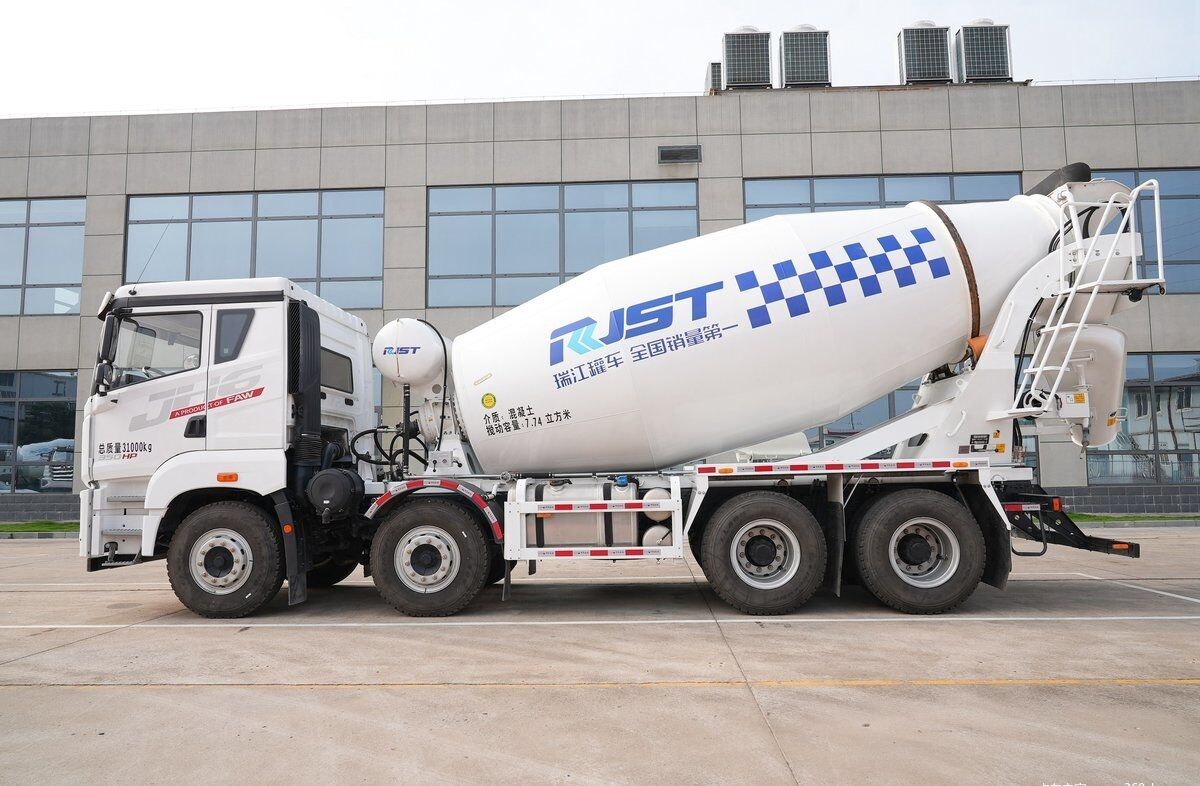
The modern freight industry relies heavily on efficient transportation solutions that can handle substantial loads while maintaining reliability across long distances. A tractor truck represents the backbone of commercial transportation, offering unparalleled power and versatility for businesses requiring consistent freight movement. These powerful vehicles combine advanced engineering with practical design elements that make them indispensable for logistics operations worldwide. Understanding the benefits and capabilities of tractor truck technology helps fleet operators make informed decisions about their transportation investments.
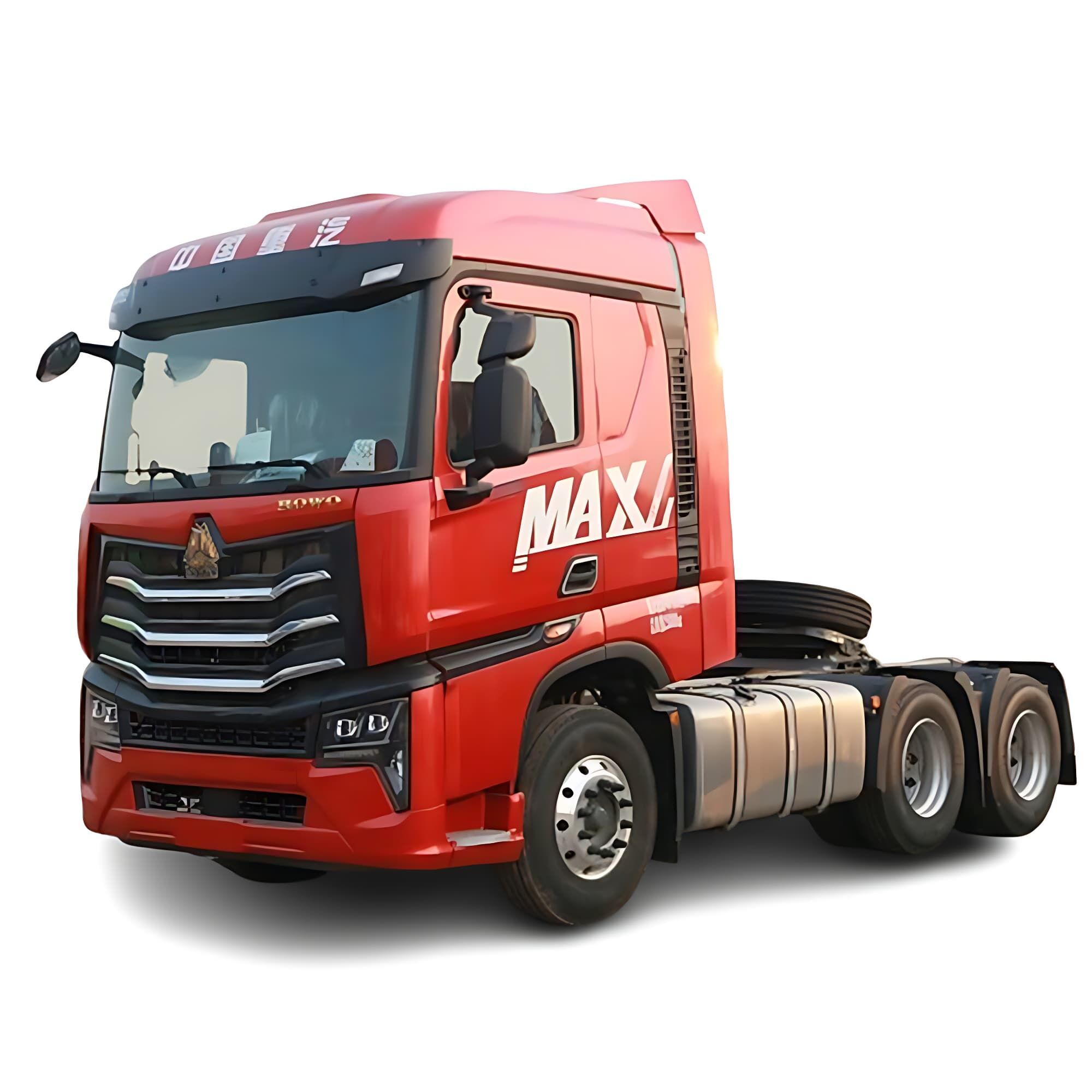
Power and Performance Capabilities
Engine Technology and Torque Delivery
Modern tractor truck designs incorporate high-performance diesel engines that deliver exceptional torque output across various operating conditions. These powertrains feature advanced fuel injection systems and turbocharging technology that optimize combustion efficiency while reducing emissions. The robust engine construction ensures reliable operation even under demanding hauling scenarios where maximum pulling power becomes essential. Fleet operators benefit from consistent performance characteristics that maintain productivity levels throughout extended operational periods.
Advanced transmission systems complement the powerful engines by providing smooth gear transitions and optimal power transfer to the drive axles. Electronic control modules monitor engine parameters continuously, adjusting fuel delivery and timing to maximize efficiency while protecting critical components from excessive stress. This sophisticated integration between engine and transmission systems enables tractor truck operators to maintain steady speeds while climbing steep grades or navigating challenging terrain conditions.
Drivetrain Configuration and Axle Systems
Professional-grade tractor truck configurations typically feature tandem rear axles that distribute weight effectively while providing enhanced traction capabilities. The differential systems allow wheels to rotate at different speeds during cornering maneuvers, reducing tire wear and improving handling characteristics. Air brake systems deliver reliable stopping power regardless of load conditions, with anti-lock braking technology preventing wheel lockup during emergency situations.
Suspension systems incorporate heavy-duty components designed to support substantial trailer weights while maintaining ride quality for operators. Leaf spring or air suspension configurations provide stability during loaded operations while absorbing road irregularities that could otherwise cause cargo damage. These engineering features combine to create a tractor truck platform that excels in both loaded and unloaded operating conditions.
Operational Efficiency and Fuel Economy
Aerodynamic Design Elements
Contemporary tractor truck manufacturers prioritize aerodynamic efficiency through carefully engineered cab designs and integrated fairings that reduce wind resistance. Streamlined hood profiles and optimized cab-to-trailer gap management help minimize fuel consumption during highway operations. Side skirts and other aerodynamic accessories further enhance efficiency by managing airflow around the vehicle and trailer combination.
These aerodynamic improvements translate into measurable fuel savings that accumulate significantly over extended operational periods. Fleet operators report substantial reductions in operating costs when transitioning to aerodynamically optimized tractor truck models. The combination of reduced drag coefficients and efficient powertrains creates an ideal platform for long-haul freight operations where fuel economy directly impacts profitability.
Advanced Monitoring and Control Systems
Integrated telematics systems provide real-time monitoring of tractor truck performance parameters including fuel consumption, engine diagnostics, and maintenance requirements. These sophisticated monitoring capabilities enable proactive maintenance scheduling that prevents costly breakdowns and extends component service life. Fleet managers can access detailed operational data that supports optimized routing decisions and driver training programs.
Electronic engine management systems continuously optimize performance parameters based on load conditions, terrain, and driving patterns. Adaptive cruise control and automated manual transmission systems work together to maintain optimal engine speeds while reducing operator fatigue during long-haul operations. These technological advances position modern tractor truck designs as highly efficient platforms for commercial transportation applications.
Safety Features and Driver Protection
Cab Structure and Occupant Protection
Modern tractor truck cab designs incorporate reinforced safety cages that provide excellent protection during collision events or rollover situations. High-strength steel construction and strategic crumple zones absorb impact energy while maintaining occupant space integrity. These safety features exceed industry standards and provide drivers with confidence during challenging operating conditions.
Advanced airbag systems and energy-absorbing steering columns further enhance occupant protection by reducing injury potential during frontal impacts. Ergonomically designed seating with integrated restraint systems keeps operators properly positioned while providing comfort during extended driving periods. Emergency egress features ensure quick exit capabilities when immediate evacuation becomes necessary.
Active Safety Technologies
Electronic stability control systems monitor tractor truck dynamics continuously, intervening when sensors detect potential loss of control situations. Lane departure warning systems alert drivers when unintended lane changes occur, while adaptive braking systems can automatically apply brakes to prevent or mitigate collision impacts. These active safety features significantly reduce accident risks and associated liability concerns.
Collision mitigation systems use radar and camera technology to detect obstacles and pedestrians, providing warnings or automatic braking when necessary. Blind spot monitoring systems alert operators to vehicles in adjacent lanes, while backup cameras and ultrasonic sensors assist with maneuvering in confined spaces. These comprehensive safety systems establish Tractor Truck models as industry leaders in occupational safety.
Versatility and Application Range
Trailer Compatibility and Coupling Systems
Professional tractor truck designs accommodate various trailer configurations through standardized fifth-wheel coupling systems that ensure secure connections and proper weight distribution. Adjustable coupling heights allow compatibility with different trailer types while maintaining optimal geometry for stability and handling. Quick-disconnect air and electrical connections simplify trailer changes and reduce turnaround times at loading facilities.
Multiple trailer configurations can be utilized with the same tractor truck platform, including dry van, refrigerated, flatbed, and specialized hauling applications. This versatility enables fleet operators to maximize equipment utilization across diverse transportation requirements. Standardized coupling systems ensure consistent performance regardless of trailer type or manufacturer specifications.
Specialized Applications and Custom Configurations
Heavy-duty tractor truck models can be configured for specialized applications including oversized load transport, hazardous materials hauling, and construction equipment movement. Reinforced frames and upgraded cooling systems accommodate increased stress levels associated with demanding applications. Custom power take-off systems enable hydraulic operations for specialized trailers and equipment.
Regional delivery operations benefit from tractor truck configurations optimized for frequent stops and urban maneuvering requirements. These applications may feature enhanced visibility packages, maneuverability improvements, and comfort features that reduce operator fatigue during demanding delivery schedules. Flexible configuration options ensure optimal performance across diverse operational requirements.
Maintenance and Serviceability
Component Accessibility and Service Intervals
Modern tractor truck designs prioritize maintenance accessibility through strategically positioned service points and easily removable panels that expose critical components. Tilting cab configurations provide complete engine access without requiring specialized lifting equipment. Extended service intervals reduce maintenance frequency and associated downtime costs while maintaining reliability standards.
Centralized lubrication systems simplify routine maintenance procedures by providing single-point access for multiple grease points throughout the chassis. Electronic diagnostic systems identify potential issues before they result in component failures, enabling proactive maintenance scheduling that prevents costly roadside breakdowns. These serviceability features reduce total cost of ownership while maximizing operational availability.
Parts Availability and Technical Support
Established tractor truck manufacturers maintain extensive parts distribution networks that ensure rapid availability of replacement components nationwide. Standardized components across model lines reduce inventory requirements while simplifying technician training and diagnostic procedures. Technical support programs provide expert assistance for complex repairs and performance optimization.
Warranty programs protect operators from unexpected repair costs during initial ownership periods while demonstrating manufacturer confidence in product quality. Extended warranty options provide additional protection for high-mileage operations where component longevity becomes critical. These comprehensive support programs establish tractor truck ownership as a reliable long-term investment.
Economic Benefits and Return on Investment
Operating Cost Analysis
Tractor truck operations demonstrate favorable economics through efficient fuel utilization, extended component service life, and reduced maintenance requirements compared to alternative transportation methods. Higher payload capacities enable fewer trips for equivalent freight movement, reducing labor costs and fuel consumption per ton-mile. These operational efficiencies translate into improved profit margins for transportation companies.
Resale values for well-maintained tractor truck units remain strong due to consistent demand from owner-operators and smaller fleet operations. Quality construction and proven reliability records support higher resale prices compared to lighter-duty alternatives. This residual value protection enhances the overall return on investment for fleet operators considering equipment purchases.
Productivity Enhancement
Higher average speeds and improved reliability enable tractor truck operators to complete more trips within available driving time limitations. Reduced breakdown frequency minimizes schedule disruptions and associated customer service issues. Enhanced driver comfort features reduce turnover rates and associated recruitment and training costs.
Advanced route optimization systems integrated with tractor truck telematics enable more efficient trip planning and fuel management. Real-time traffic and weather information helps drivers avoid delays while maintaining schedule adherence. These productivity enhancements contribute to improved customer satisfaction and business growth opportunities.
Technology Integration and Future Developments
Connectivity and Fleet Management
Modern tractor truck platforms incorporate comprehensive connectivity solutions that enable real-time communication between vehicles, dispatchers, and maintenance facilities. Satellite communication systems ensure coverage across all operational areas while providing reliable data transmission for critical fleet management functions. Mobile internet access supports driver productivity during mandatory rest periods.
Advanced fleet management software integrates with tractor truck systems to provide comprehensive operational visibility including location tracking, fuel consumption monitoring, and maintenance scheduling. Predictive analytics capabilities identify optimization opportunities while flagging potential issues before they impact operations. These technological capabilities position modern tractor truck fleets as highly efficient transportation systems.
Autonomous Driving and Advanced Assistance
Emerging autonomous driving technologies promise to enhance tractor truck safety and efficiency through precise vehicle control and optimized routing decisions. Advanced driver assistance systems currently available provide lane keeping assistance, adaptive cruise control, and automatic emergency braking capabilities. These features reduce operator fatigue while improving safety performance across fleet operations.
Future developments in vehicle automation will enable platooning operations where multiple tractor truck units operate in close formation to reduce aerodynamic drag and improve fuel economy. Vehicle-to-vehicle communication systems will coordinate braking and acceleration between platoon members while maintaining safe following distances. These innovations represent the next evolution in commercial transportation efficiency.
FAQ
What maintenance schedule should be followed for tractor truck operations
Regular maintenance intervals for tractor truck operations typically include oil changes every 15,000-25,000 miles depending on operating conditions and manufacturer specifications. Daily pre-trip inspections should verify fluid levels, tire conditions, brake system operation, and lighting functionality. Annual DOT inspections ensure compliance with federal safety regulations while comprehensive preventive maintenance programs extend component service life and prevent costly breakdowns.
How do fuel efficiency improvements impact operating costs
Fuel efficiency improvements in modern tractor truck designs can reduce operating costs by 10-15% compared to older models through advanced engine management, aerodynamic enhancements, and weight reduction strategies. Fleet operators report annual fuel savings of thousands of dollars per vehicle when upgrading to more efficient models. These savings accumulate significantly over the vehicle service life and improve overall profitability for transportation operations.
What training is required for tractor truck operation
Commercial driver's license requirements for tractor truck operation include written examinations covering federal regulations, vehicle inspection procedures, and safe driving practices. Practical driving tests verify skills in vehicle control, backing maneuvers, and coupling procedures. Many employers provide additional training on company policies, customer service standards, and specialized equipment operation to ensure safe and efficient operations.
How does tractor truck performance compare in different weather conditions
Tractor truck performance remains reliable across various weather conditions through features like engine block heaters for cold weather starting, air dryer systems for brake reliability, and traction control systems for slippery conditions. Tire selection and maintenance become critical factors in adverse weather performance, while auxiliary heating systems ensure cab comfort during extended cold weather operations. Proper preparation and equipment selection enable year-round operation regardless of climate challenges.