 EN
EN
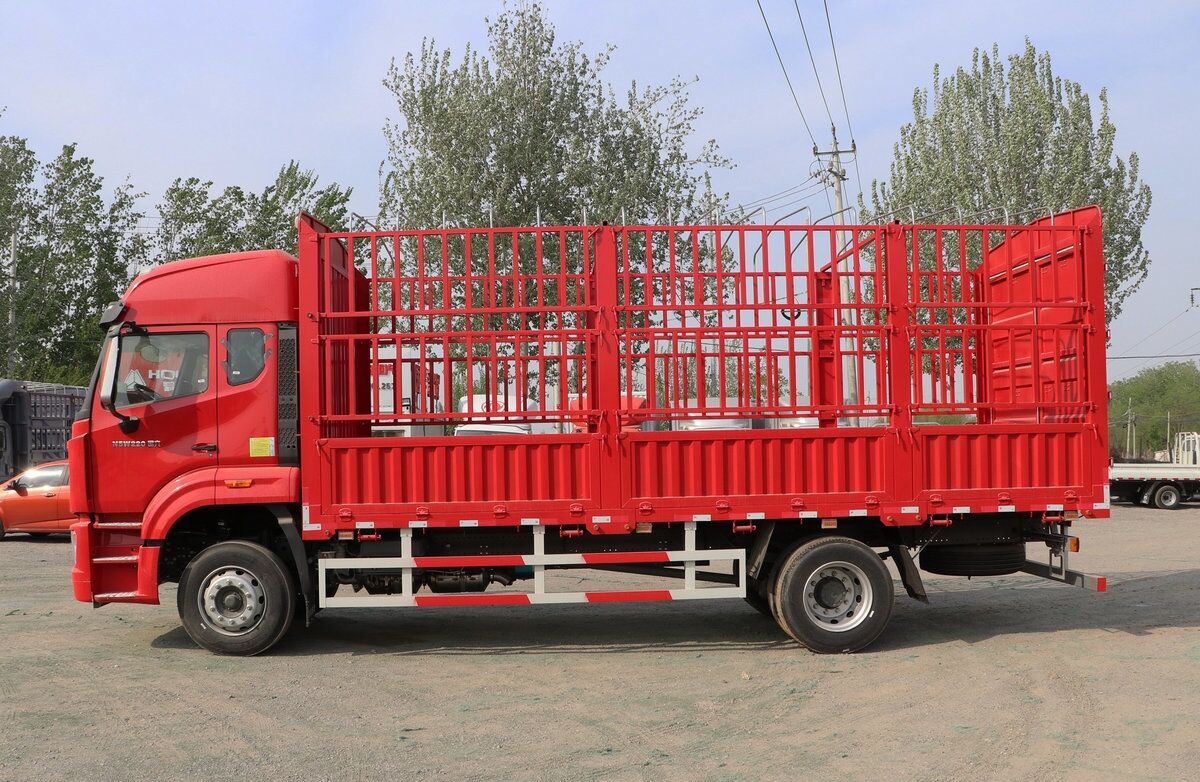
In today's fast-paced world, vehicle breakdowns and accidents are inevitable realities that drivers face on a daily basis. When a car breaks down on a busy highway or becomes involved in a collision, the immediate response often involves calling for professional roadside assistance. Central to this emergency response system is the truck, specifically the tow truck, which serves as the backbone of recovery operations across the globe. These specialized vehicles have revolutionized how we handle automotive emergencies, providing swift and reliable solutions that keep traffic flowing and ensure driver safety.
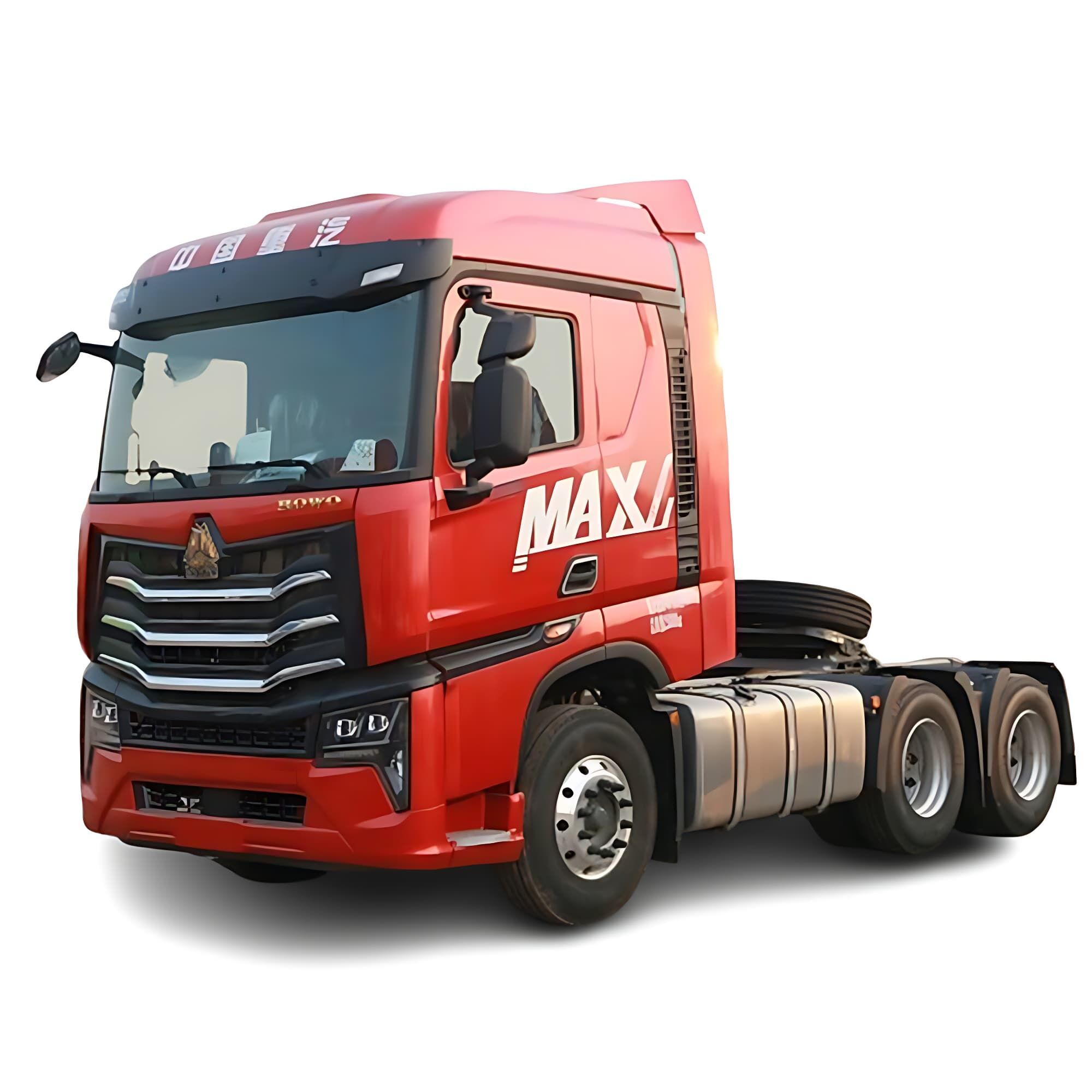
The evolution of roadside assistance has been closely tied to the development and refinement of towing technology. From simple mechanical winches to sophisticated hydraulic systems, the modern truck used for towing has become an engineering marvel capable of handling vehicles ranging from compact cars to heavy-duty commercial vehicles. This versatility makes them indispensable assets for emergency response teams, automotive service providers, and municipal authorities who must maintain safe and efficient transportation networks.
Understanding the critical role these vehicles play in our daily lives helps illuminate why investing in quality towing equipment and professional services is essential for maintaining road safety standards. Every truck designed for towing operations must meet stringent safety requirements and performance specifications to ensure reliable operation under challenging conditions. The impact of these vehicles extends far beyond simple vehicle recovery, encompassing accident scene management, traffic flow optimization, and emergency response coordination.
The Fundamental Role of Tow Trucks in Emergency Response
Immediate Accident Scene Management
When accidents occur on major roadways, the primary concern shifts immediately to scene safety and traffic management. Emergency responders rely heavily on specialized towing equipment to quickly clear damaged vehicles from active traffic lanes. A properly equipped truck can safely remove severely damaged automobiles from dangerous positions, reducing the risk of secondary accidents and allowing emergency medical teams to access injured parties more effectively. The speed and efficiency of these operations often determine the difference between minor traffic delays and major highway shutdowns that can persist for hours.
Professional towing operators work closely with law enforcement and emergency medical services to establish safe perimeters around accident scenes. Their truck becomes a mobile command center equipped with warning lights, safety equipment, and communication systems that help coordinate response efforts. The strategic positioning of these vehicles creates protective barriers for first responders while simultaneously preparing for vehicle extraction operations. This coordinated approach significantly reduces exposure time for emergency personnel working in high-risk environments.
Traffic Flow Restoration and Highway Maintenance
Modern transportation systems depend on continuous traffic flow to function efficiently, making rapid incident clearance a top priority for highway authorities. Towing operations using specialized truck equipment can typically clear accident scenes in a fraction of the time required for traditional recovery methods. Advanced hydraulic systems and precision controls allow operators to extract vehicles from difficult positions without causing additional damage to roadway infrastructure or surrounding property.
The economic impact of effective towing services extends well beyond the immediate cost of vehicle recovery. Studies have shown that each minute of highway lane closure can cost thousands of dollars in lost productivity due to traffic delays. By deploying strategically positioned towing resources and maintaining fleets of properly equipped truck units, transportation authorities can minimize these economic losses while ensuring public safety. This proactive approach to incident management has become a cornerstone of modern traffic engineering practices.
Technical Specifications and Equipment Categories
Light-Duty Towing Systems and Applications
Light-duty towing represents the most common category of roadside assistance operations, typically involving passenger vehicles, motorcycles, and small commercial vehicles. The truck platforms used for these operations are generally built on Class 3 or Class 4 chassis with gross vehicle weight ratings between 10,000 and 14,000 pounds. These vehicles incorporate sophisticated lifting mechanisms including wheel-lift systems, flatbed configurations, and integrated winch assemblies that can safely handle loads up to 8,000 pounds under normal operating conditions.
Modern light-duty towing equipment features advanced safety systems including automatic load monitoring, stabilization controls, and emergency brake systems that prevent accidents during transport operations. The truck operator interface has evolved to include digital displays showing load weight distribution, hydraulic pressure levels, and system diagnostic information in real-time. These technological improvements have significantly enhanced operational safety while reducing the physical demands placed on towing professionals during daily operations.
Heavy-Duty Recovery and Specialized Applications
Heavy-duty towing operations require substantially more robust equipment capable of handling commercial vehicles, construction equipment, and other oversized loads. The truck platforms used for these applications typically feature gross vehicle weight ratings exceeding 26,000 pounds and incorporate multiple axle configurations to distribute load forces effectively. Specialized equipment includes rotator units with 360-degree boom rotation, underlift systems for damaged chassis recovery, and multi-stage winch systems capable of generating pulling forces exceeding 50,000 pounds.
The complexity of heavy-duty recovery operations demands extensive operator training and certification to ensure safe equipment operation. Each truck used in these applications must undergo regular inspection and maintenance protocols to verify the integrity of critical safety systems. Professional operators must demonstrate proficiency in rigging techniques, load calculation methods, and emergency procedures before being authorized to operate heavy-duty recovery equipment. This emphasis on professional standards helps maintain the excellent safety record associated with commercial towing operations.
Economic Benefits and Industry Impact
Cost-Effectiveness of Professional Towing Services
The financial advantages of professional towing services become apparent when comparing the total cost of ownership for emergency recovery operations. Organizations that maintain their own truck fleets for towing purposes must account for vehicle acquisition costs, operator training expenses, insurance coverage, and ongoing maintenance requirements. For most businesses and municipalities, contracting with established towing service providers offers superior cost-effectiveness while ensuring access to specialized equipment and expertise when needed.
Professional towing companies achieve economies of scale through fleet standardization and centralized maintenance operations that individual organizations cannot match. Their investment in advanced truck technology and specialized equipment spreads across multiple revenue streams, making sophisticated recovery capabilities accessible to customers at competitive rates. This business model has enabled the expansion of roadside assistance services into remote areas where maintaining dedicated emergency response resources would be economically unfeasible.
Insurance Industry Integration and Risk Management
The insurance industry has developed sophisticated partnerships with towing service providers to streamline claims processing and reduce overall settlement costs. When policyholders experience vehicle breakdowns or accidents, insurance companies can immediately dispatch appropriate truck resources to minimize secondary damage and expedite vehicle recovery. This rapid response capability often prevents minor mechanical issues from escalating into major repair expenses while ensuring that damaged vehicles reach authorized repair facilities quickly.
Risk management protocols established by insurance providers emphasize the importance of using certified towing equipment and professionally trained operators. The truck specifications required for insurance-approved operations include comprehensive safety systems, adequate capacity ratings, and proper licensing compliance. These standards help protect both service providers and customers from liability exposure while maintaining the high service quality expectations that define modern roadside assistance programs.
Safety Standards and Regulatory Compliance
Federal and State Regulatory Requirements
Towing operations are subject to comprehensive regulatory oversight designed to ensure public safety and equipment reliability. Federal regulations established by the Department of Transportation specify minimum safety equipment requirements, operator licensing standards, and vehicle inspection protocols that apply to commercial truck operations. These regulations cover everything from warning light configurations to load securement methods, creating uniform safety standards that protect both towing professionals and the general public.
State-level regulations often supplement federal requirements with additional safety provisions tailored to local operating conditions and traffic patterns. Many states have implemented specialized training programs for towing operators, requiring demonstration of competency in vehicle recovery techniques, safety procedures, and emergency response protocols. The truck equipment used in these operations must meet or exceed all applicable safety standards, with regular inspections required to maintain operating permits and insurance coverage.
Industry Best Practices and Professional Development
Leading towing service providers have developed comprehensive safety management systems that exceed minimum regulatory requirements. These programs emphasize continuous improvement through regular equipment upgrades, advanced operator training, and proactive safety monitoring. The truck fleets operated by industry leaders incorporate the latest safety technology including collision avoidance systems, backup cameras, and automated load monitoring to minimize accident risks during recovery operations.
Professional development programs within the towing industry focus on technical skill enhancement and safety awareness training. Operators learn to recognize potential hazards, implement appropriate safety protocols, and respond effectively to emergency situations. This emphasis on professional excellence has contributed to steady improvements in industry safety statistics while establishing towing as a respected technical profession requiring specialized knowledge and skills.
Technological Innovations and Future Developments
Advanced Control Systems and Automation
Recent technological advances have transformed modern towing equipment into sophisticated mechanical systems featuring computer-controlled operations and automated safety functions. Contemporary truck platforms incorporate electronic load monitoring, hydraulic pressure regulation, and stability control systems that assist operators while preventing equipment overload conditions. These innovations have significantly improved operational safety while reducing the physical demands associated with vehicle recovery operations.
Future developments in towing technology are expected to include increased automation, remote operation capabilities, and integration with intelligent transportation systems. Advanced truck designs may incorporate autonomous navigation features for positioning operations and predictive maintenance systems that monitor equipment condition in real-time. These technological improvements will continue to enhance safety standards while improving operational efficiency in the demanding environment of roadside assistance services.
Environmental Considerations and Sustainability
Environmental sustainability has become an increasingly important consideration in truck design and towing operations. Modern towing equipment incorporates fuel-efficient engines, emission control systems, and lightweight materials that reduce environmental impact while maintaining operational capabilities. Many towing service providers have implemented comprehensive recycling programs for damaged vehicles and automotive fluids, contributing to environmental protection efforts while operating profitable business enterprises.
Alternative fuel technologies including hybrid powertrains and electric drive systems are beginning to appear in specialized truck applications. These developments promise to further reduce the environmental footprint of towing operations while potentially lowering operating costs through improved fuel efficiency. The transition to sustainable technologies will likely accelerate as environmental regulations become more stringent and alternative fuel infrastructure continues to expand.
FAQ
What qualifications are required to operate professional towing equipment
Operating commercial towing equipment requires a commercial driver's license appropriate for the truck class being operated, along with specialized training in towing procedures and safety protocols. Most states require additional certifications for heavy-duty recovery operations, and many employers provide extensive on-the-job training programs. Professional operators must demonstrate competency in vehicle recovery techniques, load calculation methods, and emergency response procedures to ensure safe equipment operation under challenging conditions.
How do insurance companies integrate with towing service providers
Insurance companies maintain networks of approved towing service providers who meet specific equipment and service standards to ensure reliable roadside assistance for policyholders. These partnerships typically involve pre-negotiated service rates, standardized response procedures, and quality assurance programs that monitor service delivery. The truck equipment used by approved providers must meet insurance industry standards for safety and capability, with regular inspections required to maintain network participation status.
What safety features are standard on modern towing equipment
Modern towing equipment incorporates comprehensive safety systems including automatic load monitoring, hydraulic pressure regulation, stability control, and emergency brake systems. Most truck platforms feature advanced warning light configurations, backup cameras, and collision avoidance technology to enhance operational safety. Additional safety equipment typically includes fire extinguishers, first aid supplies, traffic control devices, and emergency communication systems that enable operators to respond effectively to various roadside situations.
How has technology improved towing operations efficiency
Technological advances have dramatically improved towing operations through GPS dispatch systems, electronic load monitoring, automated hydraulic controls, and real-time communication capabilities. Modern truck equipment features computer-controlled systems that assist operators while preventing equipment overload and operational errors. These improvements have reduced response times, enhanced safety standards, and enabled more efficient resource allocation across towing service networks, resulting in better customer service and lower operational costs for service providers.