 EN
EN
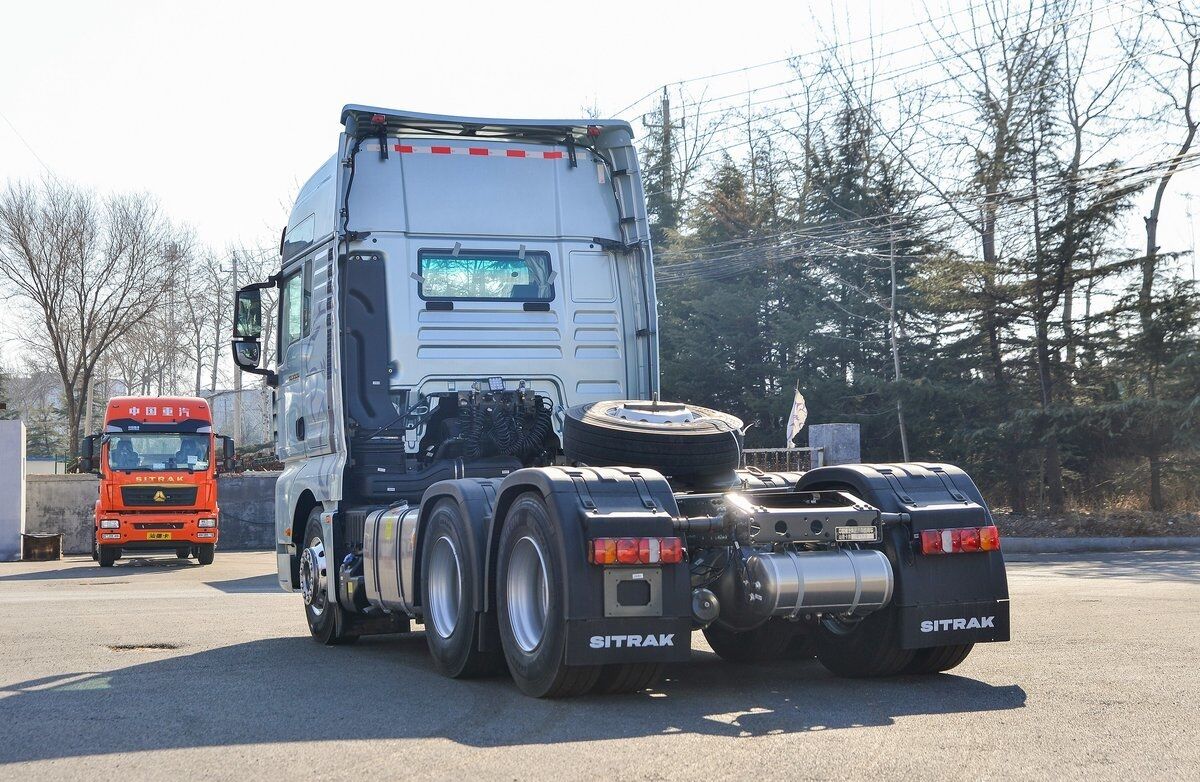
When you encounter a disabled vehicle on the roadside or need to transport heavy machinery, understanding the distinction between different recovery vehicles becomes crucial. The terms tow truck and wrecker are often used interchangeably, yet they represent distinct types of equipment with specific capabilities and applications. Each truck serves unique purposes in the automotive recovery and transportation industry, making it essential for fleet operators, business owners, and service professionals to recognize their differences.
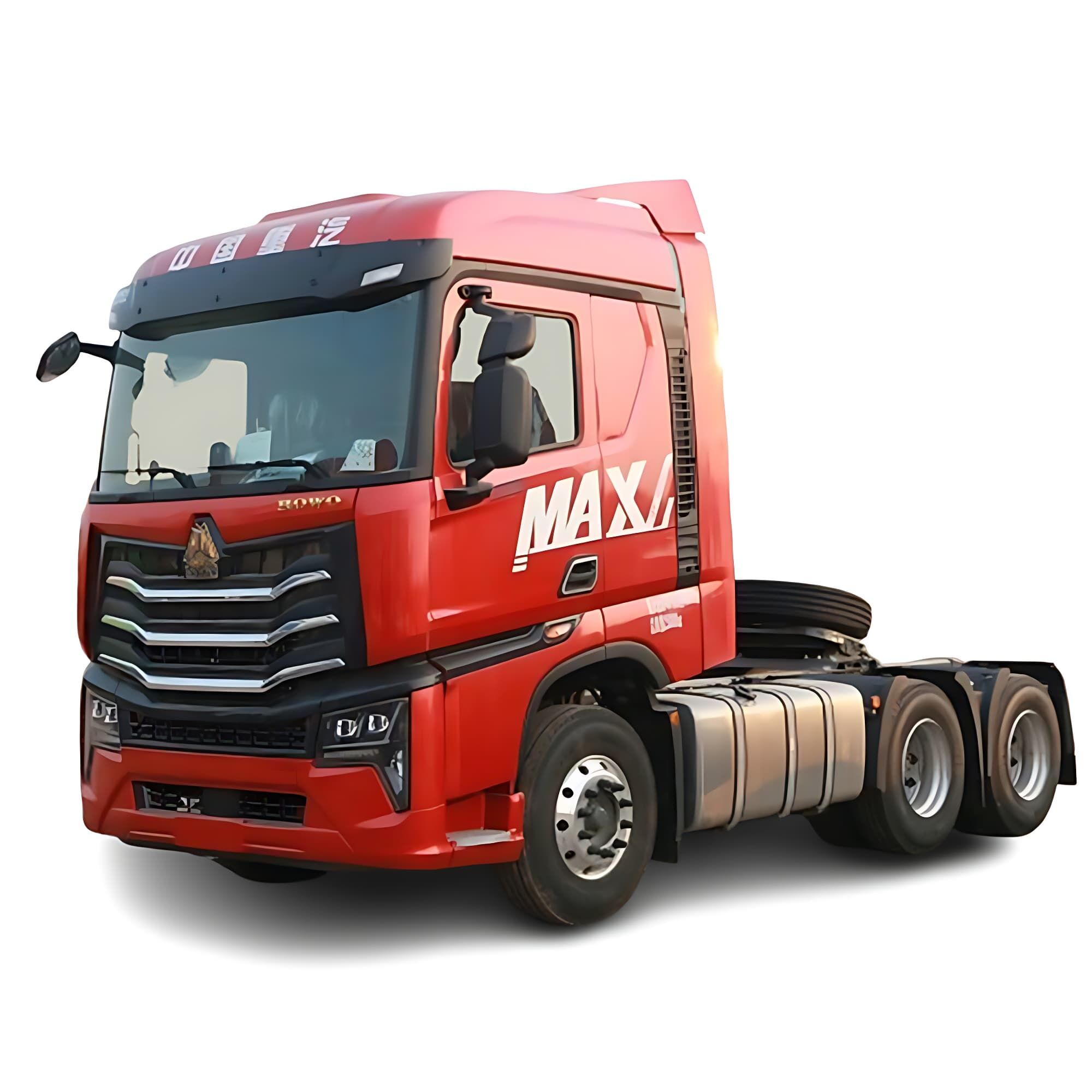
The automotive recovery industry relies heavily on specialized vehicles designed to handle various emergency and transportation scenarios. A standard truck equipped with recovery equipment must meet specific engineering requirements to safely lift, secure, and transport disabled vehicles. Professional operators depend on these machines daily to respond to accidents, breakdowns, and scheduled vehicle relocations across urban and rural environments.
Modern recovery operations demand precision, safety, and efficiency from every piece of equipment. Whether responding to a highway accident or relocating fleet vehicles, the choice between different truck types can significantly impact operational success. Understanding these distinctions helps businesses make informed decisions about equipment purchases, service contracts, and operational planning for their specific needs.
Understanding Tow Truck Fundamentals
Basic Tow Truck Design and Function
A tow truck represents the most common type of vehicle recovery equipment, designed primarily for lifting and transporting passenger cars, light trucks, and motorcycles. These versatile machines typically feature either a boom and winch system or a hydraulic lift mechanism that raises the front or rear wheels of a disabled vehicle off the ground. The fundamental design allows one truck to handle multiple vehicle types while maintaining stability during transport operations.
Traditional tow trucks utilize a hook and chain system, though modern versions have largely evolved to include wheel lift mechanisms and flatbed configurations. The wheel lift design protects vehicle components from damage during transport, while flatbed models provide complete separation from road contact. Each configuration serves specific purposes, with wheel lift trucks excelling in urban environments and flatbed units handling luxury or all-wheel-drive vehicles.
Operational Capabilities and Limitations
The operational range of a standard tow truck extends to vehicles weighing up to 10,000 pounds, making them ideal for personal automobiles and light commercial vehicles. These machines excel in routine roadside assistance, parking enforcement, and vehicle repossession activities. Their compact size relative to larger recovery vehicles allows operation in residential areas, parking structures, and urban environments where space constraints limit maneuverability.
However, every truck has specific weight and size limitations that define its operational boundaries. Standard tow trucks cannot safely handle medium-duty commercial vehicles, buses, or heavy machinery without risking equipment failure or safety hazards. Understanding these limitations prevents overloading situations that could result in property damage, personal injury, or equipment breakdown during recovery operations.
Wrecker Capabilities and Applications
Heavy-Duty Recovery Systems
Wreckers represent the heavy-duty segment of vehicle recovery equipment, engineered to handle commercial trucks, buses, construction equipment, and other large vehicles that exceed standard tow truck capacities. These powerful machines feature robust boom systems, multiple winches, and reinforced chassis components capable of managing extreme loads safely. A typical wrecker can handle vehicles weighing 26,000 pounds or more, making them indispensable for commercial fleet operations.
The engineering behind wrecker design incorporates multiple recovery points, stabilizing outriggers, and sophisticated hydraulic systems that distribute load forces evenly across the chassis. This truck design enables complex recovery operations including upright vehicle recovery from ditches, overturned vehicle correction, and multi-vehicle accident clearing. Professional wrecker operators undergo specialized training to manage these complex systems safely and effectively.
Specialized Recovery Scenarios
Wreckers excel in challenging recovery situations that standard tow trucks cannot address safely or effectively. Highway accidents involving commercial vehicles, construction site equipment relocations, and off-road recovery operations typically require wrecker capabilities. These machines can extend their booms to significant distances, allowing recovery from difficult terrain or hazardous locations while maintaining operator safety.
Emergency response scenarios often demand wrecker deployment when multiple vehicles are involved or when hazardous materials create additional safety concerns. The ability to quickly clear accident scenes while protecting emergency responders and traffic flow makes wreckers essential equipment for highway patrol, fire departments, and commercial recovery services. Their versatility extends beyond simple towing to include complex rigging operations and multi-vehicle coordination.
Equipment Specifications and Technical Differences
Power and Performance Characteristics
The fundamental differences between tow trucks and wreckers begin with their base chassis and power systems. Tow trucks typically utilize Class 3 through Class 6 commercial chassis with engines producing 200 to 350 horsepower, adequate for handling light to medium-duty recovery operations. These power levels provide sufficient capability for urban and suburban vehicle recovery while maintaining fuel efficiency and operational cost control.
Wreckers require significantly more powerful foundation systems, often built on Class 7 or Class 8 heavy-duty chassis with engines producing 400 to 600 horsepower or more. This additional power becomes essential when managing heavy commercial vehicles, operating in challenging terrain, or performing complex multi-vehicle recovery operations. The increased power also supports the hydraulic systems that operate boom assemblies, winches, and stabilization equipment during recovery operations.
Hydraulic Systems and Load Management
Hydraulic system complexity represents another significant distinction between these truck types. Standard tow trucks feature relatively simple hydraulic circuits designed to operate wheel lifts, boom assemblies, or flatbed tilting mechanisms. These systems typically operate at moderate pressures and flow rates sufficient for their intended load ranges and operational requirements.
Wrecker hydraulic systems incorporate multiple independent circuits, high-pressure pumps, and sophisticated load sensing capabilities that enable precise control during complex recovery operations. Advanced wreckers may feature computer-controlled hydraulic systems that automatically adjust pressure and flow based on load conditions, operator inputs, and safety parameters. This technological sophistication enables safe handling of extreme loads while protecting both equipment and recovered vehicles.
Operational Environments and Use Cases
Urban and Suburban Applications
Urban environments favor tow truck deployment due to space constraints, parking limitations, and the predominance of passenger vehicle recovery needs. These compact recovery vehicles navigate residential streets, parking structures, and congested commercial areas where larger trucks cannot operate effectively. Emergency response times improve significantly when appropriately sized equipment can access incident locations quickly and efficiently.
Suburban applications often involve a mix of passenger vehicles and light commercial trucks, making standard tow trucks ideal for routine recovery operations. Shopping centers, residential developments, and light industrial areas typically generate recovery needs that fall within tow truck capabilities. Fleet operators serving these markets find that truck versatility and operational costs align well with service demand patterns and customer expectations.
Highway and Commercial Recovery
Highway recovery operations frequently require wrecker capabilities due to the involvement of commercial vehicles, hazardous conditions, and complex multi-vehicle scenarios. Interstate highways, major arterials, and commercial trucking routes generate accidents and breakdowns involving vehicles that exceed standard tow truck capacities. Emergency response protocols in these environments typically specify wrecker deployment for efficient incident clearing.
Commercial and industrial facilities often require heavy-duty recovery services for equipment relocations, maintenance operations, and emergency responses. Construction sites, manufacturing facilities, and transportation hubs utilize various truck types that may require wrecker services when breakdowns or accidents occur. The ability to handle these specialized recovery needs makes wreckers essential equipment for commercial recovery service providers.
Cost Considerations and Investment Analysis
Initial Equipment Investment
The financial investment required for tow truck acquisition typically ranges from $75,000 to $200,000 depending on chassis specifications, equipment packages, and customization requirements. These moderate investment levels make tow trucks accessible to small business operators, independent contractors, and growing fleet operations. Lower initial costs enable faster return on investment and reduced financing requirements compared to heavy-duty alternatives.
Wrecker acquisition represents a significantly larger financial commitment, with new units typically costing $250,000 to $500,000 or more depending on specifications and capabilities. This substantial investment requires careful market analysis, financing planning, and operational projections to ensure profitability. However, wreckers can command premium service rates that justify their higher acquisition costs when properly utilized in appropriate markets.
Operating Costs and Maintenance Requirements
Daily operating costs for tow trucks remain relatively modest due to their smaller engines, simpler systems, and moderate fuel consumption rates. Maintenance requirements typically involve routine service intervals, brake system attention, and hydraulic component care that most commercial truck service facilities can handle. These manageable operating costs make truck ownership financially viable for smaller operations and independent contractors.
Wrecker operating costs increase substantially due to higher fuel consumption, complex hydraulic systems, and specialized maintenance requirements. Advanced hydraulic components, heavy-duty drivetrain systems, and specialized boom assemblies require expert technicians and premium replacement parts. However, these higher operating costs are typically offset by premium service rates and the ability to handle high-value recovery contracts that standard equipment cannot address.
Safety Standards and Regulatory Compliance
Safety Equipment and Procedures
Both tow trucks and wreckers must comply with comprehensive safety standards that govern equipment design, operator training, and operational procedures. These standards address load securing, lighting systems, reflective markings, and emergency equipment requirements that ensure safe operations in various environments. Compliance with these standards protects operators, customers, and the general public during recovery operations.
Advanced safety systems in modern recovery vehicles include load monitoring systems, stability controls, and automated safety interlocks that prevent dangerous operating conditions. These technological advances reduce accident risks while improving operational efficiency. Professional operators must stay current with evolving safety standards and maintain their truck equipment in compliance with applicable regulations throughout their operational lifetime.
Training and Certification Requirements
Tow truck operators typically complete basic training programs that cover vehicle recovery techniques, safety procedures, and customer service skills. These programs focus on routine recovery operations, equipment maintenance, and emergency response protocols. Certification requirements vary by jurisdiction but generally emphasize safe operating practices and professional conduct standards.
Wrecker operators require advanced training that addresses complex recovery scenarios, heavy-duty equipment operation, and specialized rigging techniques. This comprehensive training often includes classroom instruction, hands-on equipment operation, and apprenticeship periods with experienced professionals. The complexity of wrecker operations demands higher skill levels and ongoing professional development to maintain safe and effective service delivery.
Future Trends and Technology Integration
Emerging Technologies in Recovery Equipment
Modern recovery vehicles increasingly incorporate advanced technologies that improve operational efficiency, safety, and customer service capabilities. GPS tracking systems, fleet management software, and automated dispatching platforms optimize response times and resource allocation. These technological advances enable recovery service providers to compete more effectively while delivering superior customer experiences.
Automated loading systems, remote control capabilities, and computer-aided recovery planning represent the next generation of truck technology. These innovations reduce operator fatigue, improve safety margins, and enable more precise recovery operations. As technology continues advancing, both tow trucks and wreckers will incorporate these improvements to maintain competitive advantages and operational excellence.
Environmental Considerations and Efficiency
Environmental regulations increasingly influence truck design and operation, driving adoption of cleaner engines, alternative fuel systems, and energy-efficient technologies. Electric and hybrid powertrains are beginning to appear in recovery vehicles, offering reduced emissions and operating costs. These environmental considerations will continue shaping equipment selection decisions as sustainability becomes increasingly important to customers and regulators.
Operational efficiency improvements through route optimization, predictive maintenance, and advanced diagnostics help reduce environmental impact while controlling costs. Fleet operators are investing in these technologies to meet environmental goals while maintaining profitability. The integration of environmental considerations into equipment selection and operation represents a significant trend affecting the entire recovery industry.
FAQ
What is the primary difference between a tow truck and a wrecker
The main difference lies in their capacity and intended applications. Tow trucks are designed for lighter vehicles up to 10,000 pounds, including passenger cars and light commercial vehicles. Wreckers are heavy-duty recovery vehicles capable of handling commercial trucks, buses, and equipment weighing 26,000 pounds or more. Wreckers also feature more complex hydraulic systems and recovery capabilities for challenging scenarios.
Can a tow truck handle commercial vehicle recovery
Standard tow trucks have weight limitations that prevent safe recovery of most commercial vehicles. Attempting to use a truck beyond its rated capacity creates safety hazards and potential equipment damage. Commercial vehicle recovery typically requires wrecker capabilities, proper rigging equipment, and specialized operator training to ensure safe and effective operations.
How do I determine which type of recovery vehicle I need for my business
Your decision should be based on your target market, typical recovery scenarios, and budget considerations. If you primarily serve passenger vehicles and light commercial trucks in urban areas, a tow truck provides excellent versatility and cost-effectiveness. For heavy commercial vehicle recovery, highway operations, or complex recovery scenarios, wrecker capabilities become essential despite higher investment and operating costs.
What training is required to operate recovery vehicles safely
Training requirements vary by jurisdiction and equipment type. Tow truck operators typically complete basic recovery training covering safety procedures, equipment operation, and customer service. Wrecker operators require advanced training including complex recovery techniques, heavy equipment operation, and specialized rigging methods. Both require ongoing education to stay current with safety standards and best practices in the truck recovery industry.