 EN
EN
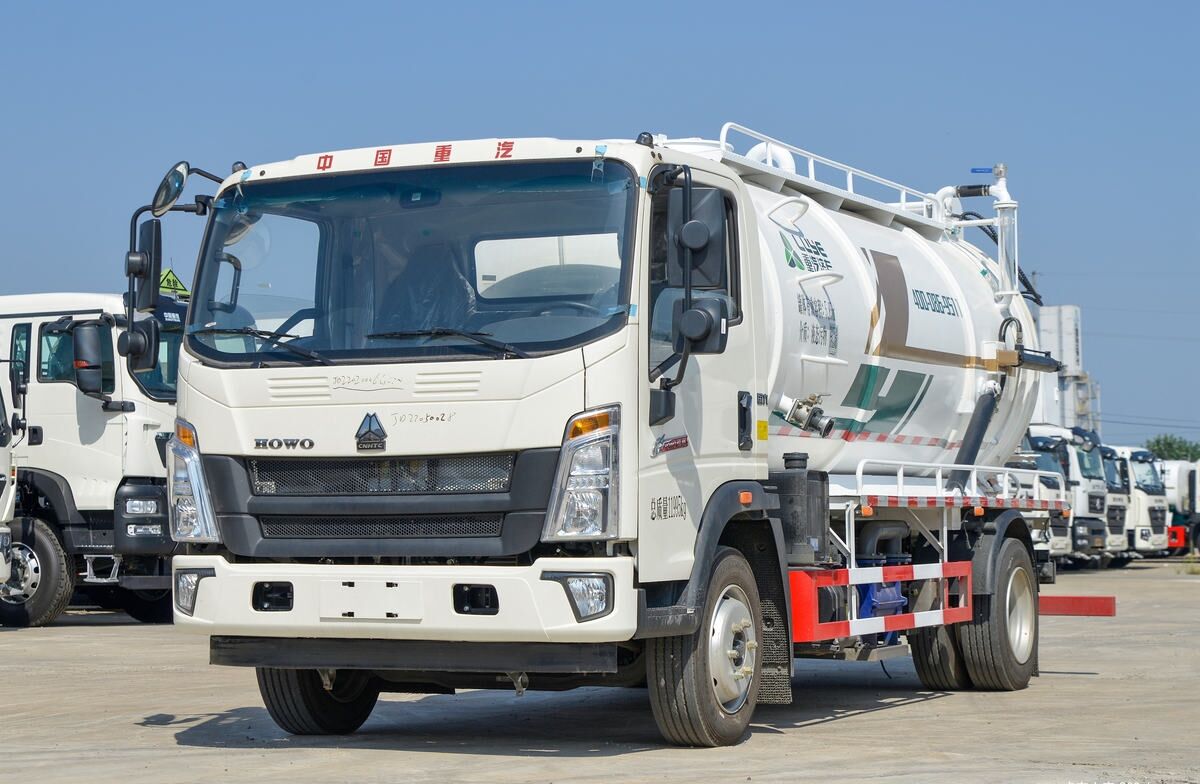
Sewage suction trucks represent essential infrastructure maintenance vehicles designed to handle liquid waste management across municipal, commercial, and residential settings. These specialized vehicles combine powerful vacuum systems with large storage tanks to efficiently collect, transport, and dispose of various types of liquid waste materials. Understanding their applications helps municipalities, contractors, and facility managers make informed decisions about waste management solutions that ensure proper sanitation and environmental compliance.
Modern sewage suction trucks incorporate advanced hydraulic systems, high-capacity vacuum pumps, and sophisticated filtration mechanisms that enable them to handle diverse waste management challenges. These vehicles serve critical roles in maintaining public health standards while providing cost-effective alternatives to permanent infrastructure installations. Their versatility makes them indispensable across industries ranging from construction and manufacturing to emergency response and routine maintenance operations.
Primary Municipal Applications
Septic System Maintenance and Pumping
Municipal sewage suction trucks perform regular septic tank maintenance for residential properties not connected to centralized sewer systems. These operations involve removing accumulated solids and liquids from septic tanks, preventing system failures that could contaminate groundwater or create health hazards. Professional operators use calibrated pumping procedures to maintain optimal tank levels while preserving beneficial bacterial cultures essential for proper waste decomposition.
Regular septic pumping schedules typically range from two to five years depending on household size, tank capacity, and usage patterns. Sewage suction trucks equipped with specialized hoses and filtration systems ensure complete waste removal while minimizing environmental impact. These services prevent costly system replacements and protect local water resources from contamination risks associated with overflowing or damaged septic systems.
Storm Water Management
During heavy rainfall events, municipal sewage suction trucks provide critical storm water management services by removing excess water from flooded areas, parking lots, and low-lying districts. Their powerful vacuum systems can rapidly extract standing water that overwhelms traditional drainage infrastructure, preventing property damage and reducing public safety risks. These emergency response capabilities prove invaluable during seasonal flooding or extreme weather events.
Storm water extraction operations often involve coordinated efforts between multiple sewage suction trucks working simultaneously across affected areas. The collected water typically requires proper treatment or disposal at authorized facilities to prevent environmental contamination from accumulated pollutants, debris, or chemical runoff mixed with the extracted storm water.
Commercial and Industrial Uses
Construction Site Dewatering
Construction projects frequently generate substantial amounts of groundwater, surface runoff, or process water that require immediate removal to maintain safe working conditions and project schedules. Sewage suction trucks provide flexible dewatering solutions for excavation sites, foundation work, and underground utility installations where permanent drainage systems are impractical or unavailable.
These applications often involve continuous or scheduled pumping operations to maintain optimal moisture levels in construction areas. The versatility of sewage suction trucks allows contractors to adapt quickly to changing site conditions while ensuring compliance with environmental regulations governing construction water discharge and disposal practices.
Industrial Waste Management
Manufacturing facilities, processing plants, and industrial complexes rely on sewage suction trucks for specialized waste management applications including sludge removal, tank cleaning, and emergency spill response. These vehicles can handle various industrial liquids, slurries, and semi-solid materials that conventional waste management systems cannot accommodate effectively.
Industrial applications often require specialized equipment modifications, enhanced safety protocols, and certified operators trained in hazardous material handling. The ability to customize sewage suction trucks for specific industrial requirements makes them valuable assets for maintaining operational efficiency while ensuring regulatory compliance across diverse manufacturing environments.
Emergency Response Operations
Flood and Disaster Recovery
Emergency response teams deploy sewage suction trucks as rapid response assets during natural disasters, flooding events, and infrastructure failures requiring immediate liquid waste removal. These vehicles provide essential services when traditional waste management systems become compromised or overwhelmed by emergency conditions.
Disaster recovery operations benefit from the mobility and self-contained capabilities of sewage suction trucks, allowing response teams to access remote or damaged areas where conventional equipment cannot operate effectively. Their ability to function independently of local infrastructure makes them invaluable for restoring basic sanitation services during extended emergency situations.
Hazardous Material Response
Specialized sewage suction trucks equipped with enhanced safety systems and containment capabilities respond to chemical spills, fuel leaks, and other hazardous liquid emergencies requiring immediate containment and removal. These applications demand specially trained operators and modified equipment designed to handle dangerous materials safely.
Hazardous material response operations involve strict protocols for material collection, transportation, and disposal at licensed treatment facilities. The specialized nature of these applications requires ongoing training, equipment certification, and regulatory compliance to ensure safe and effective emergency response capabilities.
Specialized Applications and Services
Grease Trap and Oil Separator Maintenance
Commercial kitchens, restaurants, and food processing facilities require regular grease trap cleaning services performed by specialized sewage suction trucks equipped for handling high-fat content waste materials. These operations prevent blockages in municipal sewer systems while ensuring compliance with local discharge regulations.
Grease trap maintenance involves careful extraction techniques that separate different waste components for appropriate recycling or disposal pathways. Professional operators understand the specialized handling requirements for different types of food service waste, ensuring effective cleaning while maximizing material recovery opportunities.
Portable Restroom Servicing
Event management, construction sites, and temporary facilities rely on sewage suction trucks for portable restroom maintenance and waste removal services. These applications require efficient pumping systems capable of handling solid waste materials while maintaining hygienic conditions for continued facility use.
Portable restroom servicing involves scheduled routes and rapid turnaround times to maintain adequate sanitation facilities across multiple locations. The efficiency of modern sewage suction trucks enables service providers to maximize route productivity while ensuring consistent service quality for their customers.
Equipment Features and Capabilities
Vacuum System Technology
Modern sewage suction trucks incorporate powerful vacuum pumps capable of generating substantial suction pressure for efficient liquid extraction across diverse applications. These systems typically feature variable speed controls, pressure monitoring, and safety shutoffs that protect both equipment and operators during challenging pumping conditions.
Advanced vacuum technology includes specialized impeller designs, corrosion-resistant materials, and noise reduction features that enhance operational efficiency while minimizing environmental impact. The reliability and performance of these systems directly influence the effectiveness of waste management operations across all application areas.
Storage and Transportation Systems
Tank design and capacity represent critical factors in sewage suction truck effectiveness, with modern vehicles featuring corrosion-resistant materials, internal baffling systems, and specialized discharge mechanisms. These components ensure safe transportation of collected materials while facilitating efficient unloading at treatment or disposal facilities.
Storage system innovations include compartmentalized tanks for handling different waste types, automated weighing systems for load monitoring, and enhanced sealing mechanisms that prevent odor escape during transportation. These features improve operational safety while ensuring compliance with transportation regulations governing liquid waste materials.
FAQ
How often should septic tanks be pumped using sewage suction trucks?
Most residential septic tanks require pumping every 3-5 years, depending on household size, tank capacity, and water usage patterns. Larger households or smaller tanks may need more frequent service, while single-person households with large tanks might extend intervals slightly. Professional inspection can determine optimal pumping schedules based on actual sludge accumulation rates and system performance.
Can sewage suction trucks handle hazardous materials safely?
Specialized sewage suction trucks equipped with appropriate safety systems and operated by trained professionals can handle certain hazardous materials, but this requires specific equipment modifications, enhanced containment systems, and regulatory compliance. Standard sewage suction trucks should not be used for hazardous materials without proper certification and safety upgrades designed for specific material types.
What maintenance is required for optimal sewage suction truck performance?
Regular maintenance includes vacuum pump inspection and servicing, hydraulic system checks, tank cleaning and inspection, hose and fitting replacement, and compliance with manufacturer service schedules. Preventive maintenance programs help ensure reliable operation, extend equipment life, and maintain safety standards essential for professional waste management operations.
How do sewage suction trucks comply with environmental regulations?
Compliance involves proper waste characterization, licensed disposal facility usage, transportation documentation, operator certification, and adherence to local discharge regulations. Professional operators maintain detailed records of waste origins, transportation routes, and disposal locations to demonstrate regulatory compliance while protecting environmental resources through responsible waste management practices.