
 EN
EN
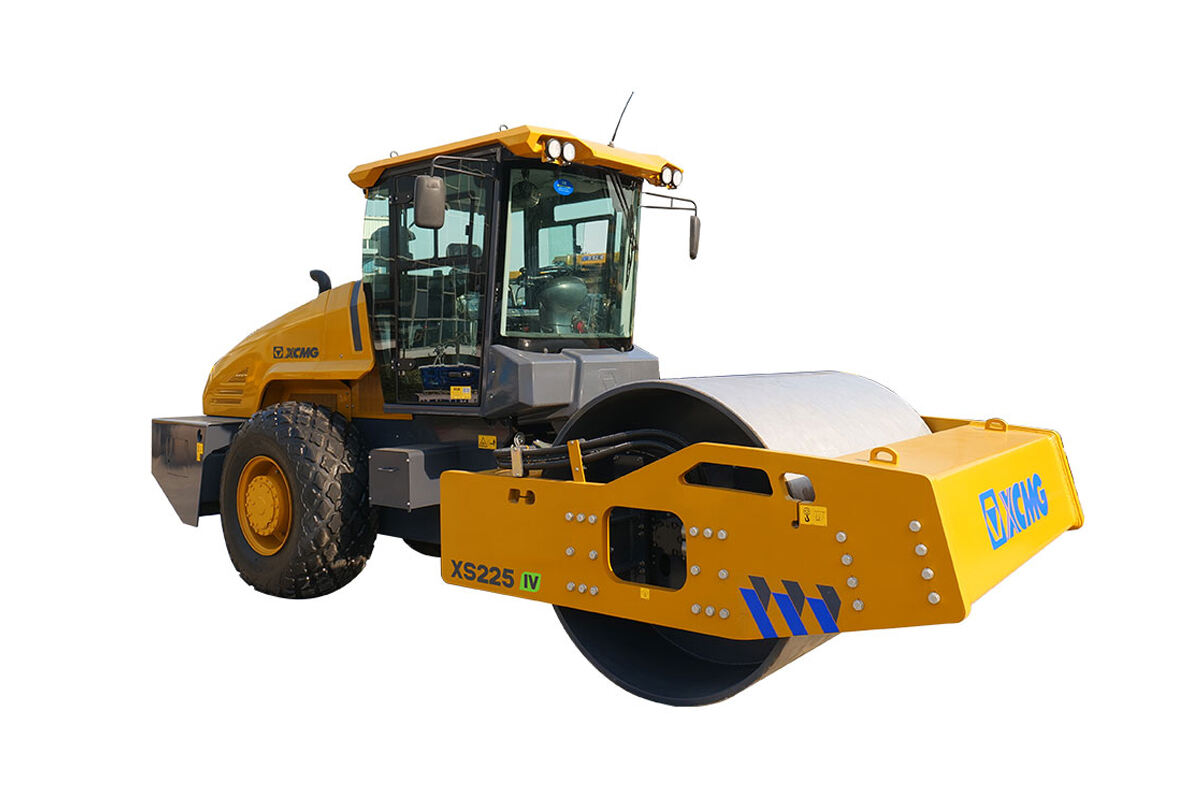
Modern construction projects demand precision and efficiency, especially when it comes to asphalt compaction. A high-quality road roller serves as the backbone of any successful paving operation, ensuring that road surfaces achieve optimal density and longevity. Today's advanced compaction equipment incorporates cutting-edge technology that significantly improves project outcomes while reducing operational costs and timeframes.
The importance of proper compaction cannot be overstated in modern road construction. Inadequate compaction leads to premature pavement failure, increased maintenance costs, and safety hazards for motorists. Professional contractors understand that investing in reliable compaction equipment directly translates to enhanced project quality and client satisfaction. Contemporary road construction demands equipment that delivers consistent results across various soil types and weather conditions.
Essential Features of Modern Compaction Equipment
Advanced Vibration Technology
Contemporary compaction machinery incorporates sophisticated vibration systems that maximize density achievement while minimizing passes. These systems utilize precisely calibrated frequencies and amplitudes to penetrate various asphalt thicknesses effectively. The vibration technology ensures uniform compaction across the entire surface area, eliminating weak spots that could compromise pavement integrity.
Modern vibration controls allow operators to adjust settings based on material characteristics and environmental conditions. This adaptability ensures optimal compaction results regardless of temperature fluctuations or material variations. Advanced systems also feature automatic vibration shut-off when the machine stops moving, preventing over-compaction and surface damage.
Operator Comfort and Control Systems
Ergonomic design principles guide the development of modern compaction equipment, prioritizing operator comfort during extended work periods. Climate-controlled cabins, adjustable seating, and intuitive control layouts reduce operator fatigue and increase productivity. These comfort features directly impact compaction quality since alert, comfortable operators maintain better control and consistency.
State-of-the-art control systems provide real-time feedback on compaction progress, soil density, and machine performance parameters. Digital displays present critical information in easily readable formats, enabling operators to make informed decisions quickly. These systems often include GPS integration for precise positioning and automated reporting capabilities.
Compaction Techniques for Different Project Types
Highway Construction Applications
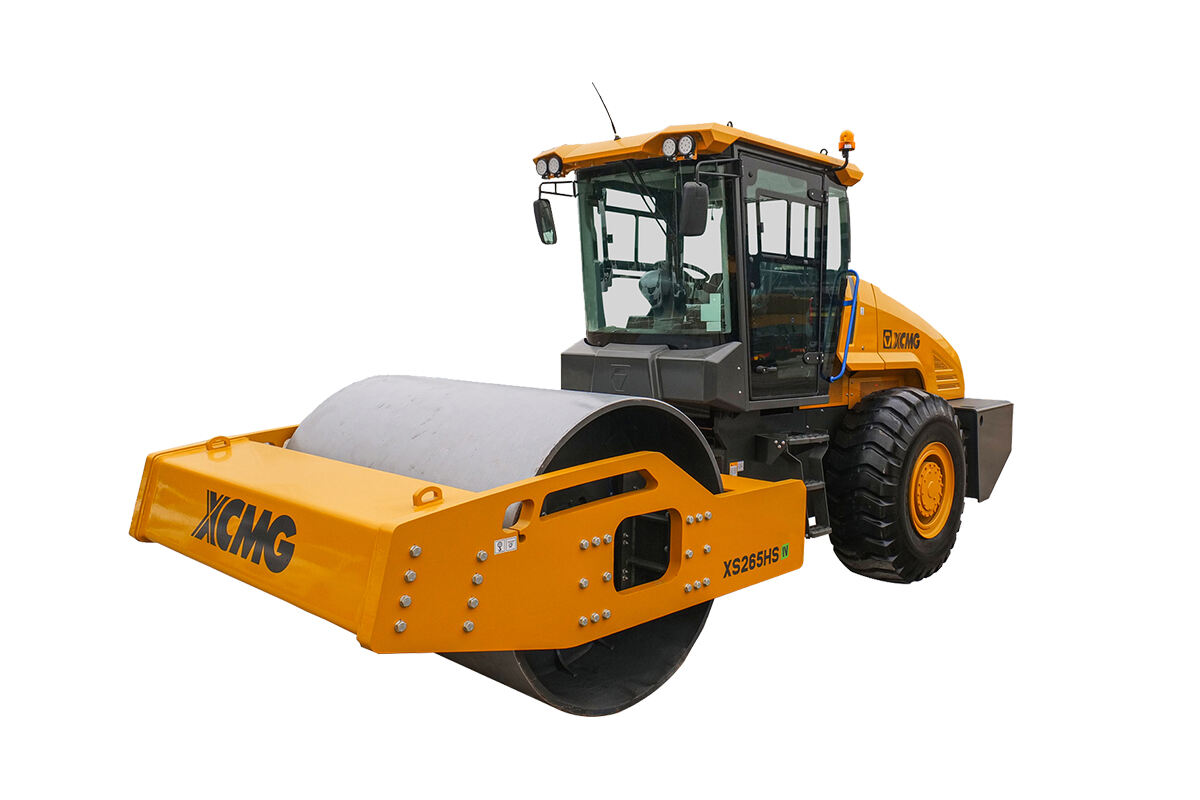
Highway projects require specialized compaction approaches that address high traffic loads and extended service life expectations. A reliable road roller designed for highway applications features enhanced durability components and superior compaction force distribution. These machines typically incorporate wider drums and increased operating weights to handle thick asphalt lifts efficiently.
Speed control becomes particularly crucial in highway compaction, as excessive rolling speeds can reduce compaction effectiveness and create surface irregularities. Professional operators maintain consistent speeds between 2-4 mph during compaction phases, adjusting based on material temperature and thickness requirements. Proper speed management ensures adequate time for material consolidation while maintaining production schedules.
Urban Street Development
Urban construction environments present unique challenges including confined spaces, utility constraints, and noise restrictions. Compact compaction equipment designed for urban applications combines powerful performance with reduced footprint requirements. These machines often feature enhanced maneuverability and lower noise output to comply with municipal regulations.
Street-level projects frequently involve complex geometries around curbs, intersections, and utility installations. Modern compaction equipment addresses these challenges through improved visibility systems, tight turning radii, and specialized edge compaction capabilities. Operators can achieve consistent density levels even in constrained areas where larger equipment cannot operate effectively.
Maintenance Strategies for Optimal Performance
Preventive Maintenance Protocols
Regular maintenance schedules ensure compaction equipment operates at peak efficiency throughout its service life. Daily inspections should include hydraulic fluid levels, vibration system components, and drum condition assessments. Preventive maintenance protocols significantly reduce unexpected breakdowns and extend equipment longevity while maintaining consistent compaction performance.
Lubrication systems require particular attention in compaction equipment due to high vibration loads and demanding operating conditions. Proper lubrication intervals and quality lubricant selection protect critical components from premature wear. Maintenance teams should monitor bearing temperatures and vibration amplitudes to identify potential issues before they impact operations.
Seasonal Preparation Requirements
Seasonal transitions demand specific preparation procedures to maintain equipment reliability across varying environmental conditions. Cold weather preparations include engine block heater installation, hydraulic fluid specification changes, and battery maintenance protocols. These measures ensure reliable startup and operation during low-temperature periods.
Summer operations require enhanced cooling system maintenance and air filtration attention due to increased dust exposure and higher operating temperatures. Regular cleaning of cooling fins and air intake systems prevents overheating issues that could compromise compaction effectiveness. Proper seasonal preparation minimizes weather-related downtime and maintains consistent project progress.
Technology Integration in Modern Compaction
Intelligent Compaction Systems
Intelligent compaction technology represents a significant advancement in asphalt construction quality control. These systems provide continuous monitoring of compaction progress through integrated sensors and GPS positioning. Real-time data collection enables immediate adjustments to compaction patterns and identifies areas requiring additional attention.
Advanced compaction monitoring systems generate detailed reports documenting density achievement across entire project areas. This documentation provides valuable quality assurance information and supports warranty requirements. Contractors utilizing intelligent compaction technology demonstrate superior quality control capabilities and often achieve premium pricing for their services.
Fuel Efficiency and Environmental Considerations
Modern compaction equipment incorporates advanced engine technologies that reduce fuel consumption while maintaining performance standards. Tier 4 emissions compliance ensures minimal environmental impact without compromising operational capabilities. These efficiency improvements reduce operating costs and support sustainable construction practices.
Automatic engine idle reduction systems optimize fuel consumption during operational delays without requiring operator intervention. Smart power management adjusts engine output based on load requirements, maximizing efficiency across varying operating conditions. These technologies contribute significantly to overall project cost reduction and environmental stewardship.
Safety Considerations in Compaction Operations
Operator Safety Features
Contemporary compaction equipment prioritizes operator safety through comprehensive design features and protective systems. Rollover protection structures, enhanced visibility systems, and emergency shutdown capabilities protect operators during normal and emergency situations. Safety features directly impact productivity by maintaining operator confidence and reducing accident-related delays.
Vibration isolation systems protect operators from harmful exposure levels while maintaining effective compaction performance. These systems utilize advanced dampening materials and isolation mounting to minimize transmitted vibrations. Proper isolation extends operator working capacity and reduces long-term health risks associated with prolonged vibration exposure.
Worksite Safety Protocols
Effective safety protocols encompass equipment operation, personnel positioning, and coordination with other construction activities. Clear communication systems ensure all personnel understand equipment movements and potential hazard areas. Safety protocols should address both routine operations and emergency response procedures.
Traffic control measures become particularly critical during road construction projects involving active vehicular traffic. Proper signage, barrier placement, and flagging procedures protect both construction personnel and traveling public. Coordination with local authorities ensures compliance with applicable safety regulations and minimizes traffic disruption.
FAQ
What factors determine the appropriate compaction equipment size for a project
Project size, access limitations, and material specifications primarily determine equipment selection. Larger projects typically benefit from wider drums and increased operating weights, while confined areas require compact machines with enhanced maneuverability. Material thickness and density requirements also influence equipment selection, as thicker lifts demand greater compaction force and multiple passes.
How does temperature affect asphalt compaction effectiveness
Temperature significantly impacts asphalt workability and compaction window availability. Higher temperatures extend workability periods but may require adjusted compaction techniques to prevent material displacement. Cooler temperatures reduce available compaction time, demanding efficient equipment deployment and coordinated operations to achieve specified density levels before material becomes too stiff.
What maintenance intervals are recommended for compaction equipment
Daily inspections should cover fluid levels, vibration system operation, and general equipment condition. Weekly maintenance typically includes lubrication points, filter replacements, and detailed component inspections. Major service intervals vary by manufacturer but generally occur every 250-500 operating hours, encompassing comprehensive system evaluations and component replacements as needed.
How can operators maximize fuel efficiency during compaction operations
Consistent operating speeds, proper engine loading, and efficient work patterns significantly improve fuel economy. Operators should avoid excessive idling, maintain steady rolling speeds, and utilize automatic engine management systems when available. Regular maintenance ensures engines operate at optimal efficiency levels, while proper planning minimizes unnecessary equipment movements and reduces overall fuel consumption.