 EN
EN
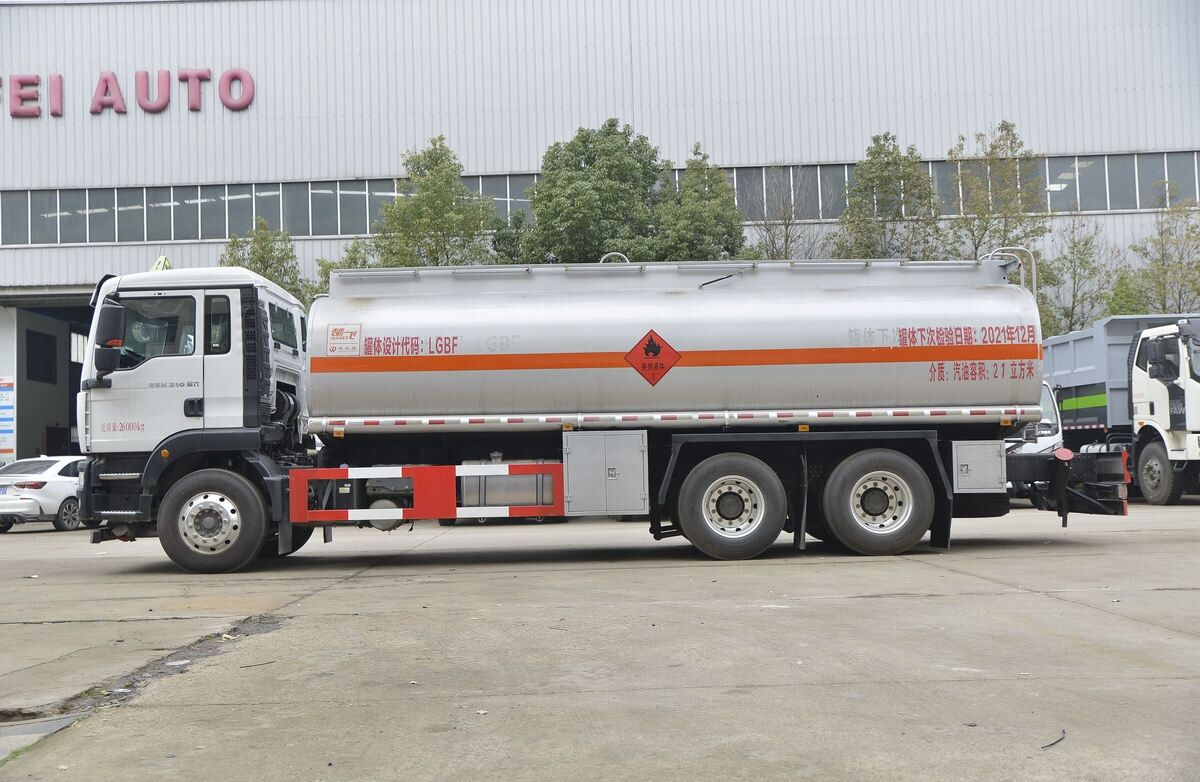
Tanker trucks serve as the backbone of modern logistics, enabling the safe and efficient transportation of various liquid and bulk materials across countless industries. These specialized vehicles are engineered with precision to handle diverse cargo types while maintaining strict safety standards and regulatory compliance. Understanding what tanker trucks transport provides valuable insights into their critical role in supply chain operations and industrial processes worldwide.
The versatility of tanker trucks extends far beyond simple liquid transport, encompassing specialized applications that require advanced engineering solutions and stringent safety protocols. From petroleum products to food-grade materials, these vehicles must meet exacting standards to ensure cargo integrity and environmental protection. Modern tanker truck designs incorporate innovative features that enhance operational efficiency while minimizing risks associated with hazardous material handling.
Professional fleet operators recognize that selecting appropriate tanker trucks for specific applications directly impacts operational success, cost management, and regulatory compliance. The diverse range of materials transported by these vehicles necessitates comprehensive understanding of design specifications, safety requirements, and maintenance protocols. This knowledge enables companies to optimize their transportation strategies while maintaining the highest safety standards throughout their operations.
Petroleum and Fuel Transportation
Gasoline and Diesel Fuel Delivery
Gasoline and diesel fuel represent the most common cargo transported by tanker trucks, requiring specialized equipment designed to handle volatile petroleum products safely. These vehicles feature compartmentalized tanks with vapor recovery systems, emergency shut-off valves, and anti-static grounding equipment to prevent accidents during loading and unloading operations. Professional drivers undergo extensive training to manage the unique challenges associated with fuel transportation, including proper handling procedures and emergency response protocols.
The design specifications for fuel transport tanker trucks include corrosion-resistant materials, precise calibration systems, and advanced monitoring equipment that ensures accurate delivery quantities. Multiple compartments allow for simultaneous transport of different fuel grades, maximizing operational efficiency while maintaining product separation. Safety features such as rollover protection, impact-resistant construction, and automatic fire suppression systems provide comprehensive protection against potential hazards.
Fleet operators must comply with stringent regulations governing fuel transportation, including proper licensing, vehicle inspections, and driver certifications. Regular maintenance schedules ensure optimal performance of safety systems, while advanced tracking technology provides real-time monitoring of vehicle location and cargo status. These measures collectively contribute to the safe and reliable distribution of petroleum products to retail outlets, industrial facilities, and commercial customers.
Aviation Fuel and Specialized Petroleum Products
Aviation fuel transport requires highly specialized tanker trucks equipped with advanced filtration systems and precision delivery mechanisms to meet strict quality standards. These vehicles feature stainless steel construction, multiple filtration stages, and contamination detection equipment to ensure fuel purity throughout the transportation process. Airport fuel delivery operations demand exceptional safety protocols, including bonding procedures, static electricity prevention, and emergency response capabilities.
Specialized petroleum products such as lubricants, hydraulic fluids, and industrial oils require dedicated tanker trucks designed to prevent cross-contamination and maintain product integrity. Temperature control systems, pressure monitoring equipment, and specialized pumping mechanisms enable safe transport of these valuable materials. Professional operators implement comprehensive quality assurance programs to verify product specifications and delivery accuracy.
Chemical and Hazardous Material Transport
Industrial Chemicals and Solvents
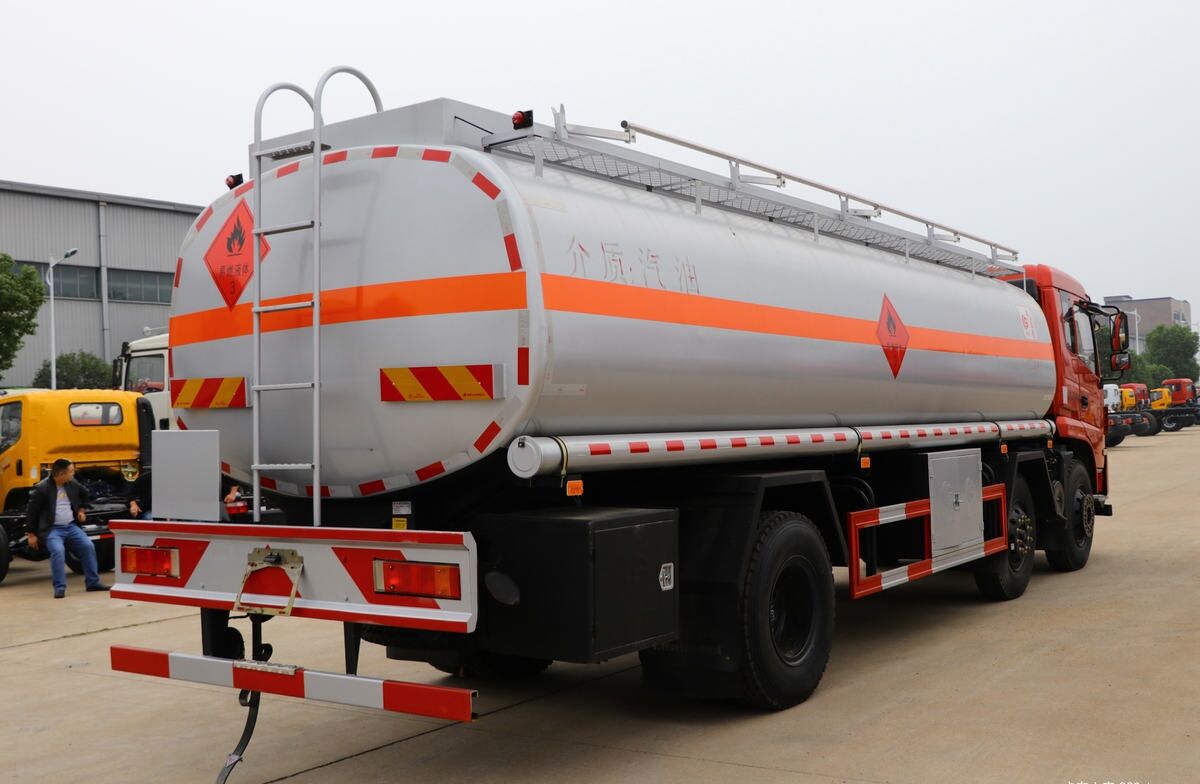
Industrial chemicals and solvents transported by tanker trucks require specialized equipment designed to handle corrosive, toxic, or reactive materials safely. These vehicles feature chemical-resistant tank linings, emergency containment systems, and advanced ventilation equipment to protect both cargo and personnel. Proper material compatibility assessments ensure that tank construction materials can withstand prolonged exposure to specific chemical compounds without degradation or contamination.
Transportation of hazardous chemicals demands strict adherence to regulatory requirements, including proper placarding, documentation, and emergency response planning. Driver training programs focus on chemical handling procedures, emergency protocols, and environmental protection measures. Advanced monitoring systems provide continuous surveillance of cargo conditions, detecting potential leaks or temperature variations that could indicate safety concerns.
Professional chemical transport operations implement comprehensive safety management systems that address all aspects of hazardous material handling, from initial loading procedures to final delivery and tank cleaning protocols. Emergency response equipment, including spill containment materials and neutralization agents, ensures rapid response capabilities in case of incidents. These measures protect both public safety and environmental integrity throughout the transportation process.
Acids and Caustic Materials
Acids and caustic materials represent some of the most challenging cargo types transported by specialized tanker trucks due to their highly corrosive nature and potential safety hazards. These vehicles require exotic materials such as high-grade stainless steel, fiberglass-reinforced plastics, or specialized coatings that resist chemical attack. Advanced safety systems include emergency wash-down capabilities, vapor containment systems, and specialized personal protective equipment for operators.
Transportation protocols for corrosive materials emphasize prevention strategies, including thorough pre-trip inspections, cargo compatibility verification, and route planning that avoids sensitive environmental areas. Emergency response procedures address potential exposure scenarios, environmental contamination risks, and proper neutralization techniques. Professional operators maintain detailed material safety data sheets and emergency contact information for all transported chemicals.
Food Grade and Agricultural Products
Liquid Food Products and Beverages
Food-grade tanker trucks transport liquid food products including milk, fruit juices, wine, cooking oils, and liquid sweeteners using specialized equipment designed to maintain product quality and safety. These vehicles feature sanitary stainless steel construction, washable surfaces, and temperature control systems that preserve product integrity throughout transportation. Cleaning and sanitization procedures between loads prevent cross-contamination and ensure compliance with food safety regulations.
Temperature-controlled transport capabilities enable safe delivery of perishable liquid foods that require specific storage conditions to maintain quality and prevent spoilage. Advanced monitoring systems track temperature variations, providing documentation required for food safety compliance and quality assurance programs. Professional drivers receive specialized training in food handling procedures and hygiene protocols.
Regulatory compliance for food-grade transportation includes adherence to FDA regulations, USDA standards, and local health department requirements. Regular inspections verify equipment condition and cleanliness standards, while detailed record-keeping documents transportation conditions and delivery schedules. These measures ensure that liquid food products reach consumers safely while maintaining nutritional value and taste quality.
Agricultural Chemicals and Fertilizers
Agricultural chemicals including pesticides, herbicides, and liquid fertilizers require specialized tanker trucks equipped with chemical-resistant materials and precision application equipment. These vehicles feature compartmentalized tanks, automated mixing systems, and calibrated dispensing mechanisms that ensure accurate product application rates. Safety protocols address environmental protection concerns and worker safety during handling and application procedures.
Liquid fertilizer transport operations focus on maintaining product stability and preventing contamination that could affect crop yields or soil health. Temperature control systems and agitation equipment prevent settling or separation of suspended materials during transport. Professional applicators coordinate delivery schedules with farming operations to ensure optimal application timing and weather conditions.
Water and Waste Management
Potable Water Distribution
Potable water distribution using tanker trucks serves communities, construction sites, and emergency response situations where conventional water supply systems are unavailable or compromised. These vehicles feature food-grade stainless steel tanks, sanitization systems, and filtration equipment that maintain water quality standards throughout transportation and delivery. Regular testing and certification procedures verify water purity and safety for human consumption.
Emergency water distribution operations require rapid deployment capabilities and flexible delivery systems that can serve diverse customer needs. Mobile water treatment units integrated with tanker trucks provide on-site purification capabilities for disaster response and remote location services. Professional operators maintain detailed water quality documentation and chain-of-custody records to ensure regulatory compliance.
Wastewater and Septage Transport
Wastewater and septage transport operations use specialized tanker trucks designed for vacuum collection and safe disposal of liquid waste materials. These vehicles feature powerful vacuum systems, odor control equipment, and leak-proof construction that prevents environmental contamination during collection and transport processes. Proper waste characterization and disposal procedures ensure compliance with environmental regulations and public health standards.
Professional waste management operations implement comprehensive safety protocols that address worker protection, environmental compliance, and public health concerns. Advanced treatment and disposal facilities receive waste materials from tanker trucks, processing them according to regulatory requirements before safe discharge or beneficial reuse applications.
Specialized Industrial Applications
Molten Materials and High-Temperature Liquids
Specialized tanker trucks transport molten materials and high-temperature liquids including asphalt, bitumen, and industrial polymers using heavily insulated tanks and heating systems. These vehicles feature advanced temperature control capabilities, specialized pumping equipment, and safety systems designed for extreme operating conditions. Professional operators receive extensive training in high-temperature material handling and emergency response procedures.
Transportation of molten materials requires precise temperature management to maintain proper viscosity and prevent solidification during transport. Advanced monitoring systems track temperature variations and provide automated alerts for deviation from specified parameters. Safety equipment includes emergency cooling systems, fire suppression capabilities, and specialized protective gear for operators.
Compressed Gases and Cryogenic Liquids
Compressed gases and cryogenic liquids transported by specialized tanker trucks include oxygen, nitrogen, carbon dioxide, and liquefied natural gas using pressure vessels and insulated containment systems. These vehicles feature advanced pressure monitoring equipment, emergency relief valves, and specialized delivery systems designed for safe handling of pressurized materials. Professional operators maintain detailed pressure and temperature logs throughout transportation operations.
Cryogenic liquid transport requires sophisticated insulation systems and pressure management capabilities that maintain extremely low temperatures during extended transportation periods. Safety protocols address potential exposure hazards, pressure relief procedures, and emergency response requirements specific to cryogenic materials. Regular equipment inspections verify integrity of pressure vessels and safety systems.
FAQ
What safety regulations govern tanker truck operations?
Tanker truck operations are governed by comprehensive federal, state, and local regulations including DOT hazardous materials regulations, EPA environmental protection standards, and OSHA workplace safety requirements. Professional operators must maintain proper licensing, vehicle certifications, and driver qualifications while implementing detailed safety management systems. Regular inspections, training programs, and emergency response planning ensure compliance with all applicable regulations and industry best practices.
How do tanker trucks prevent cargo contamination during transport?
Contamination prevention in tanker trucks relies on proper material selection, thorough cleaning procedures, and dedicated equipment for specific cargo types. Food-grade tankers use sanitary stainless steel construction and implement rigorous cleaning protocols between loads, while chemical transport vehicles employ specialized coatings and compatibility testing procedures. Advanced monitoring systems detect potential contamination issues, enabling immediate corrective action to protect cargo integrity and customer satisfaction.
What maintenance requirements apply to tanker truck operations?
Tanker truck maintenance programs include regular inspections of tank integrity, safety systems, and specialized equipment according to manufacturer specifications and regulatory requirements. Professional maintenance schedules address tank cleaning, valve servicing, pressure testing, and safety system verification to ensure optimal performance and regulatory compliance. Detailed maintenance records document all service activities and provide evidence of proper equipment care and regulatory adherence.
How do operators determine appropriate tanker truck specifications for different cargo types?
Selecting appropriate tanker truck specifications requires comprehensive analysis of cargo characteristics, transportation requirements, and regulatory compliance needs. Professional operators evaluate factors including chemical compatibility, temperature requirements, pressure ratings, and delivery system needs to determine optimal vehicle configurations. Consultation with equipment manufacturers, regulatory agencies, and industry experts ensures proper specification development and successful operational implementation for diverse transportation applications.