 EN
EN
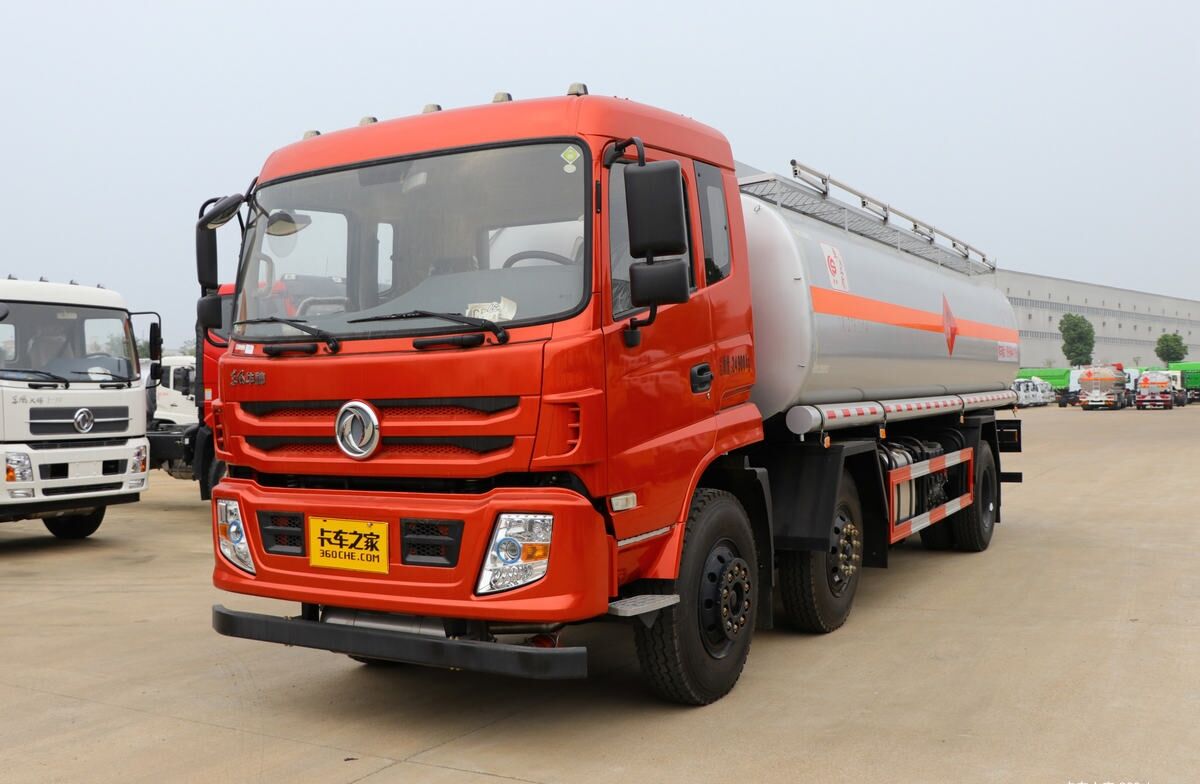
The transportation of liquid commodities requires specialized vehicles designed with precision engineering and robust safety features. A reliable tanker truck serves as the backbone of industries ranging from petroleum distribution to chemical transport, demanding exceptional build quality and operational efficiency. Understanding the key characteristics that distinguish superior tanker trucks from standard models is crucial for fleet operators and business owners seeking long-term value and performance.
Modern liquid transport demands have evolved significantly, requiring vehicles that can handle diverse cargo types while maintaining strict safety standards. The design and construction of these specialized vehicles directly impact operational costs, regulatory compliance, and overall business success. From tank material selection to advanced safety systems, every component plays a vital role in determining reliability and performance over the vehicle's operational lifespan.
Structural Design and Tank Construction
Material Selection and Durability
The foundation of any reliable tanker truck lies in its tank construction materials, with carbon steel and aluminum being the most common choices for different applications. Carbon steel tanks offer exceptional strength and cost-effectiveness for petroleum products, while aluminum provides superior corrosion resistance for chemical transport. The thickness and grade of materials used directly influence the vehicle's load capacity, longevity, and maintenance requirements over time.
Advanced manufacturing techniques ensure uniform wall thickness and structural integrity throughout the tank body. Welding quality becomes paramount, as even minor imperfections can lead to catastrophic failures during operation. Professional manufacturers employ certified welders and conduct rigorous testing procedures to guarantee that each seam meets or exceeds industry safety standards for pressure containment and structural reliability.
Capacity Optimization and Weight Distribution
Tank capacity design must balance maximum payload with vehicle weight restrictions and road regulations. Engineers calculate optimal dimensions to achieve the highest possible volume while maintaining proper weight distribution across all axles. This careful balance ensures compliance with transportation laws while maximizing revenue potential for each trip, making the vehicle more profitable for operators.
The internal structure of the tank, including baffle placement and compartmentalization, significantly affects liquid movement during transport. Properly designed baffles reduce surge effects that can destabilize the vehicle during acceleration, braking, and cornering. Multiple compartment configurations allow operators to transport different products simultaneously while preventing cross-contamination and improving loading flexibility.
Safety Systems and Regulatory Compliance
Advanced Containment Features
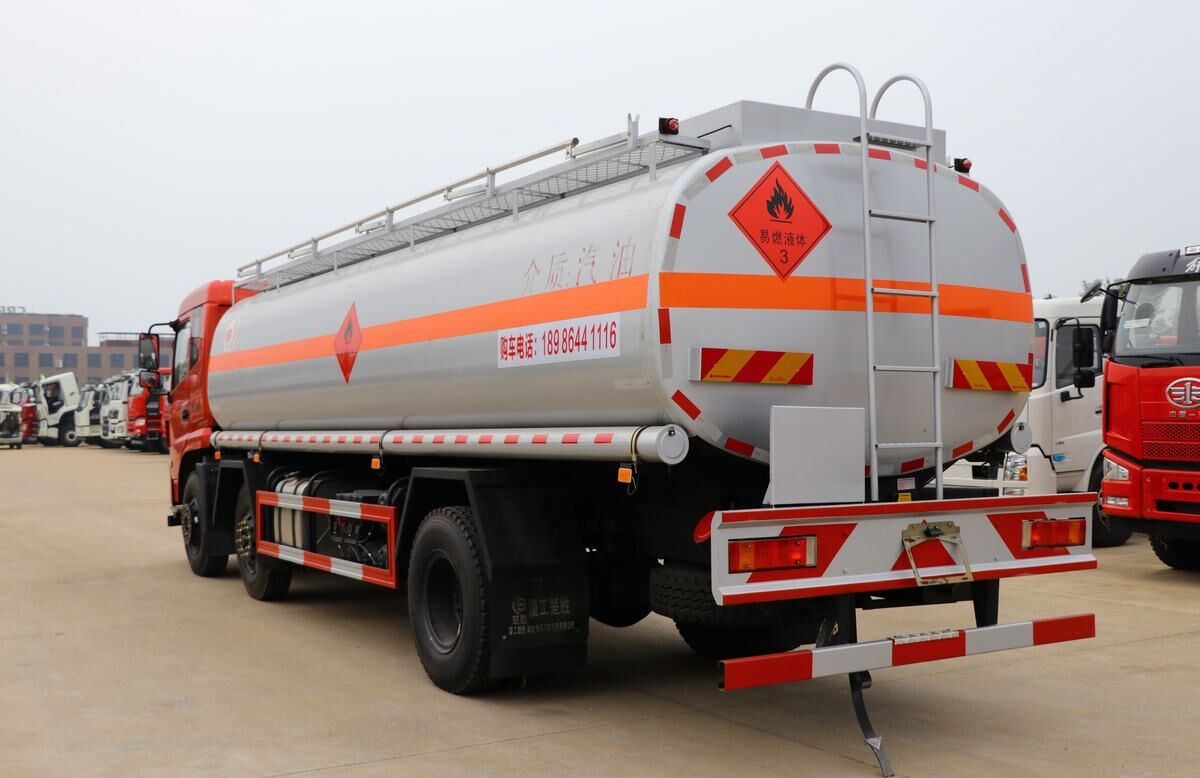
Modern tanker truck designs incorporate multiple layers of containment to prevent environmental contamination and ensure operator safety. Primary containment involves the main tank structure, while secondary containment systems include leak detection sensors, emergency shut-off valves, and spill containment features. These redundant safety measures provide protection against both equipment failures and human error during loading and unloading operations.
Emergency response systems integrate seamlessly with the vehicle's operation, including automatic shut-off mechanisms that activate during rollover events or impact situations. Fire suppression systems, when required, use specialized agents appropriate for the transported materials. Ground fault protection and static electricity dissipation systems prevent ignition sources that could lead to fires or explosions during product transfer operations.
Monitoring and Communication Technology
Advanced monitoring systems provide real-time data on tank pressure, temperature, and product levels throughout the journey. GPS tracking and telematics integration allow fleet managers to monitor vehicle location, route compliance, and operational parameters remotely. These technologies enhance safety while providing valuable data for optimizing routes, scheduling maintenance, and ensuring regulatory compliance across all operations.
Communication systems enable immediate contact with emergency services and dispatch centers in case of incidents or mechanical problems. Automatic alert systems notify relevant parties when predetermined safety parameters are exceeded, allowing for rapid response to potential problems before they escalate into serious incidents. This proactive approach to safety management significantly reduces liability and operational risks.
Operational Efficiency and Performance Features
Loading and Unloading Systems
Efficient product transfer systems reduce turnaround times and increase daily productivity for tanker truck operations. High-capacity pumps, strategically positioned valves, and automated control systems streamline the loading and unloading process while minimizing product loss and contamination risks. Vapor recovery systems, where required, capture and process emissions during product transfer to meet environmental regulations.
Metering systems provide accurate measurement of product quantities transferred, ensuring proper billing and inventory control. Digital displays and automated recording systems reduce human error in documentation while providing real-time verification of transfer volumes. These features are particularly important for high-value products where measurement accuracy directly impacts profitability and customer satisfaction.
Maintenance Accessibility and Service Life
Design features that facilitate routine maintenance and inspection significantly impact the long-term operational costs of tanker trucks. Accessible service points, removable panels, and standardized components reduce labor time required for maintenance tasks. Corrosion-resistant coatings and materials selection extend service life while reducing the frequency of major repairs and component replacements.
Predictive maintenance capabilities, integrated through sensor networks and data analytics, identify potential problems before they cause operational disruptions. This proactive approach to maintenance scheduling reduces unexpected downtime while optimizing parts inventory and service planning. Extended warranty programs and manufacturer support services provide additional value and peace of mind for fleet operators.
Economic Considerations and Return on Investment
Initial Cost Versus Long-term Value
The purchase price of a tanker truck represents only a portion of its total cost of ownership over its operational lifetime. Higher-quality vehicles with premium features typically command higher initial prices but deliver superior value through reduced maintenance costs, improved fuel efficiency, and extended service life. Fleet operators must carefully evaluate the total cost of ownership when selecting vehicles to ensure optimal return on investment.
Financing options and lease agreements can make premium vehicles more accessible while spreading costs over the vehicle's productive lifetime. Tax incentives and depreciation benefits may offset higher initial costs, making quality investments more attractive from a financial perspective. Professional fleet consultants can help operators evaluate these factors to make informed purchasing decisions that align with business objectives.
Operational Cost Management
Fuel efficiency improvements through aerodynamic design and weight optimization directly impact operating costs for tanker truck fleets. Advanced engine technologies and transmission systems reduce fuel consumption while maintaining necessary power and performance characteristics. Driver training programs that focus on efficient operating techniques can further reduce fuel costs and extend vehicle life.
Insurance costs vary significantly based on vehicle safety features, driver training programs, and operational history. Vehicles with advanced safety systems and comprehensive training programs typically qualify for reduced insurance premiums, offsetting some of the initial investment in safety features. Regular safety audits and compliance demonstrations help maintain favorable insurance rates over time.
FAQ
What tank capacity options are available for tanker trucks?
Tanker truck capacities typically range from 3,000 to 11,000 gallons, with specialized units available for larger volumes. The optimal capacity depends on product density, weight restrictions, route requirements, and local regulations. Operators should consider payload limitations and axle weight distribution when selecting capacity to ensure legal compliance and operational efficiency.
How often should tanker trucks undergo safety inspections?
Safety inspection requirements vary by jurisdiction and transported materials, but most tanker trucks require annual Department of Transportation inspections plus periodic internal tank inspections. Hazardous materials transport may require more frequent inspections, including quarterly or semi-annual safety checks. Operators should maintain detailed inspection records and address any identified issues promptly to ensure continued compliance.
What training is required for tanker truck operators?
Tanker truck drivers must obtain commercial driver's licenses with appropriate endorsements for their specific cargo types. Hazardous materials transport requires additional HAZMAT certification and specialized training programs. Many operators also require completion of defensive driving courses and company-specific safety training programs to ensure proper handling of equipment and emergency procedures.
How do environmental regulations affect tanker truck operations?
Environmental regulations impact tanker truck design, operation, and maintenance in numerous ways, including emission control systems, spill prevention measures, and waste disposal procedures. Operators must comply with federal, state, and local environmental laws, which may require specific equipment modifications or operational procedures. Regular environmental compliance audits help ensure continued adherence to evolving regulatory requirements.