 EN
EN
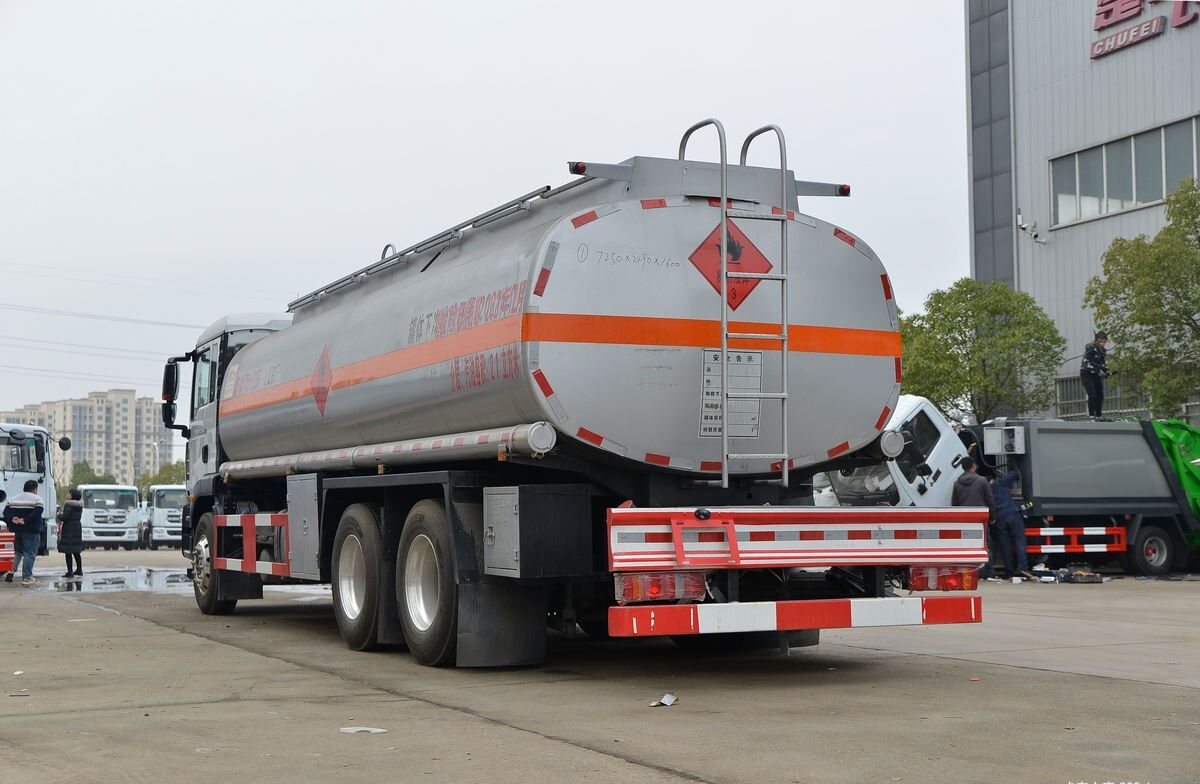
In today's complex industrial landscape, the efficient transportation of bulk liquids forms the backbone of numerous sectors ranging from petroleum distribution to chemical manufacturing. Tanker trucks represent a critical infrastructure component that enables the seamless movement of liquid cargo across vast distances, ensuring supply chains remain operational and economic activities continue uninterrupted. These specialized vehicles have evolved significantly over decades, incorporating advanced safety features, enhanced capacity designs, and sophisticated monitoring systems that collectively make them indispensable for modern commerce.
The strategic importance of tanker trucks extends beyond mere transportation functionality, encompassing environmental protection, regulatory compliance, and economic efficiency considerations that directly impact business operations. Companies investing in high-quality tanker truck solutions position themselves advantageously within competitive markets while ensuring adherence to stringent safety protocols. Understanding the multifaceted role these vehicles play in bulk liquid transport reveals why they remain irreplaceable assets for industries worldwide.
Operational Advantages of Modern Tanker Truck Systems
Enhanced Capacity and Efficiency Metrics
Contemporary tanker trucks deliver exceptional capacity utilization through innovative design approaches that maximize payload while maintaining structural integrity. Advanced engineering techniques enable manufacturers to create vessels capable of carrying between 35,000 and 40,000 liters of various liquid substances, significantly reducing the number of trips required for large-scale transportation projects. This capacity optimization translates directly into reduced operational costs, lower fuel consumption per unit transported, and improved delivery scheduling flexibility for logistics managers.
The efficiency gains achieved through modern tanker truck deployment extend beyond simple volume considerations to encompass sophisticated load distribution systems and aerodynamic improvements. Multi-axle configurations distribute weight more effectively across road surfaces, reducing infrastructure wear while enabling compliance with weight regulations across different jurisdictions. These design enhancements contribute to longer vehicle lifespans, reduced maintenance requirements, and superior performance characteristics under diverse operating conditions.
Advanced Safety Integration Features
Safety considerations drive continuous innovation in tanker truck design, resulting in comprehensive protection systems that safeguard both cargo and personnel throughout transportation processes. Modern vessels incorporate multiple containment barriers, emergency valve systems, and specialized monitoring equipment that provides real-time feedback regarding cargo status and vehicle performance parameters. These integrated safety features significantly reduce the risk of accidents, spills, or other incidents that could result in environmental damage or operational disruptions.
Temperature control systems, pressure monitoring devices, and automated emergency response mechanisms work together to create robust safety protocols that exceed industry standards. Operators benefit from enhanced situational awareness through digital dashboard displays that present critical information regarding cargo conditions, vehicle performance, and potential hazard indicators. This comprehensive approach to safety management enables companies to maintain excellent safety records while protecting valuable liquid assets during transportation operations.
Economic Impact and Cost Optimization Strategies
Reduced Transportation Expenses Through Bulk Handling
The economic advantages of utilizing tanker trucks for bulk liquid transportation become apparent when analyzing cost-per-unit metrics compared to alternative transportation methods. These specialized vehicles enable companies to move large quantities of liquids in single trips, dramatically reducing per-unit transportation costs while minimizing labor requirements and fuel consumption. The economies of scale achieved through bulk handling create competitive advantages that translate into improved profit margins and enhanced market positioning for businesses across various industries.
Operational cost optimization extends beyond immediate transportation expenses to encompass reduced handling requirements, minimized storage needs at intermediate locations, and streamlined logistics coordination. Companies can eliminate multiple transfer points, reduce packaging requirements, and minimize product loss through direct tank-to-tank transfers that preserve product integrity while reducing overall handling costs. These operational efficiencies compound over time, creating substantial long-term savings that justify initial equipment investments.
Supply Chain Flexibility and Responsiveness
Modern supply chains demand unprecedented flexibility and responsiveness to market conditions, requirements that tanker trucks fulfill through their adaptable design characteristics and operational versatility. These vehicles can accommodate various liquid types through specialized tank coatings, compartmentalization options, and cleaning systems that enable rapid transitions between different cargo types. This adaptability allows transportation companies to serve diverse market segments while maximizing asset utilization rates and revenue generation opportunities.
Route optimization capabilities inherent in tanker truck operations enable dynamic response to changing market demands, emergency supply requirements, and seasonal fluctuations in liquid transportation needs. Operators can adjust delivery schedules, modify route configurations, and reallocate resources quickly to address urgent customer requirements or capitalize on market opportunities. This operational agility provides competitive advantages that traditional transportation methods cannot match, particularly in rapidly evolving industrial environments.
Environmental Considerations and Sustainability Benefits
Reduced Carbon Footprint Through Efficiency
Environmental stewardship increasingly influences transportation decisions, making the efficiency characteristics of tanker trucks particularly valuable for companies seeking to reduce their carbon footprint. The ability to transport large liquid volumes in single trips significantly reduces the total number of vehicle movements required, resulting in proportional decreases in fuel consumption, emissions production, and overall environmental impact. These efficiency gains align with corporate sustainability initiatives while supporting regulatory compliance in jurisdictions with strict environmental standards.
Advanced engine technologies, aerodynamic improvements, and weight optimization strategies further enhance the environmental performance of modern tanker trucks. Manufacturers continue developing more efficient propulsion systems, alternative fuel compatibility, and emission reduction technologies that minimize environmental impact while maintaining operational effectiveness. These technological advances enable companies to meet environmental objectives without compromising transportation capabilities or economic performance.
Spill Prevention and Containment Capabilities
Environmental protection extends beyond emissions considerations to encompass comprehensive spill prevention and containment systems that protect ecosystems from potential contamination events. Modern tanker trucks incorporate multiple safety barriers, leak detection systems, and emergency response capabilities that minimize the risk of environmental incidents during transportation operations. These protective measures demonstrate responsible environmental stewardship while reducing potential liability exposure for operating companies.
Secondary containment systems, automated monitoring technologies, and rapid response protocols work together to ensure that any potential leaks or spills are detected quickly and contained effectively. This proactive approach to environmental protection helps companies maintain excellent environmental records while supporting sustainable business practices that benefit both immediate stakeholders and broader community interests.
Industry Applications and Market Segments
Petroleum and Energy Sector Utilization
The petroleum and energy sector represents one of the largest markets for tanker truck services, relying on these specialized vehicles to distribute refined products, crude oil, and various petroleum derivatives to retail locations, industrial facilities, and storage terminals. The scale and scope of petroleum distribution networks require reliable, high-capacity transportation solutions that can maintain product quality while ensuring timely delivery to diverse destination types. Tanker trucks provide the operational flexibility and capacity needed to support these complex distribution requirements effectively.
Energy sector applications extend beyond traditional petroleum products to include biofuels, renewable energy liquids, and specialized chemical additives used in energy production processes. The versatility of modern tanker truck designs enables operators to handle various energy-related liquids while maintaining safety standards and operational efficiency. This adaptability supports the evolving energy landscape as companies transition toward more diverse fuel sources and sustainable energy solutions.
Chemical and Industrial Manufacturing Support
Chemical and industrial manufacturing operations depend heavily on reliable liquid transportation services to maintain continuous production processes and ensure adequate raw material supplies. Tanker trucks serve these industries by transporting various chemical compounds, industrial solvents, processing fluids, and specialized liquids that require careful handling and precise delivery timing. The ability to maintain product purity, temperature control, and contamination prevention makes tanker trucks essential for supporting manufacturing operations across numerous industrial sectors.
Industrial applications often require specialized tank configurations, material compatibility considerations, and enhanced safety protocols that standard transportation methods cannot provide. Modern tanker trucks accommodate these requirements through customizable designs, specialized coatings, and advanced monitoring systems that ensure product integrity throughout transportation processes. This specialized capability enables manufacturing companies to maintain production schedules while ensuring raw material quality meets stringent operational standards.
FAQ
What capacity ranges are available for modern tanker trucks
Modern tanker trucks typically offer capacity ranges from 20,000 liters for smaller regional operations up to 40,000 liters for large-scale transportation requirements. The most common configurations include 35,000-liter and 40,000-liter variants that provide optimal balance between payload capacity and regulatory compliance. Multi-axle designs enable these higher capacities while distributing weight effectively to meet road infrastructure limitations and safety requirements across various jurisdictions.
How do tanker trucks ensure product quality during transportation
Product quality preservation relies on multiple integrated systems including specialized tank coatings that prevent contamination, temperature control mechanisms that maintain optimal storage conditions, and sealed containment systems that eliminate external contamination risks. Advanced monitoring equipment provides continuous feedback regarding product conditions, enabling operators to make adjustments when necessary to maintain quality standards throughout transportation processes.
What safety features distinguish professional-grade tanker trucks
Professional-grade tanker trucks incorporate comprehensive safety systems including emergency valve mechanisms, multiple containment barriers, automated leak detection systems, and fire suppression equipment. Advanced braking systems, stability control technologies, and rollover protection features enhance operational safety while specialized driver training requirements ensure operators possess necessary skills to handle these specialized vehicles safely under various operating conditions.
How do regulatory requirements affect tanker truck operations
Regulatory compliance encompasses vehicle certification standards, driver licensing requirements, cargo documentation protocols, and route restrictions that vary by jurisdiction and cargo type. Modern tanker trucks must meet stringent construction standards, undergo regular safety inspections, and comply with transportation regulations specific to liquid cargo handling. Operators must maintain comprehensive documentation, follow prescribed routing requirements, and adhere to loading and unloading procedures that ensure regulatory compliance throughout transportation operations.